









Specifications
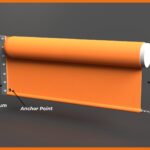
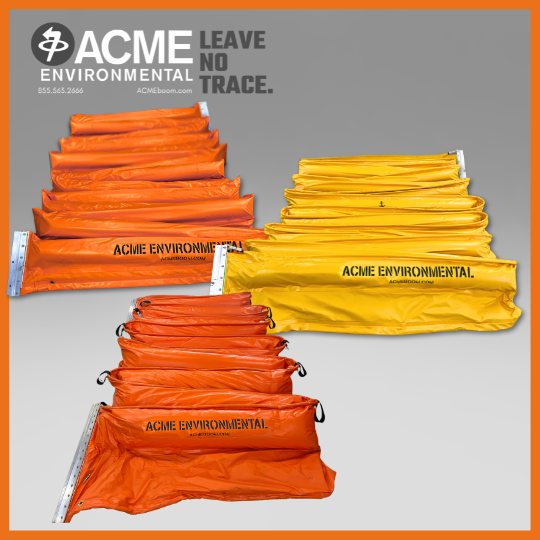
- Custom Float Diameter Flotation
- Custom Skirt Depth
- 1/4" / 5/16" / 3/8" Galvanized Chain Ballast
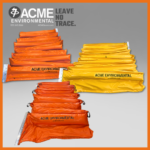
- 22 oz. / sq. yd. PVC or 24 oz. / sq. yd PVC-coated fabric: orange or yellow
- ASTM aluminum quick latch (Z) or slide couplers are recommended
- Top tension cable available on request
Applications
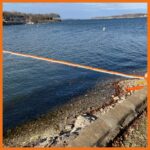
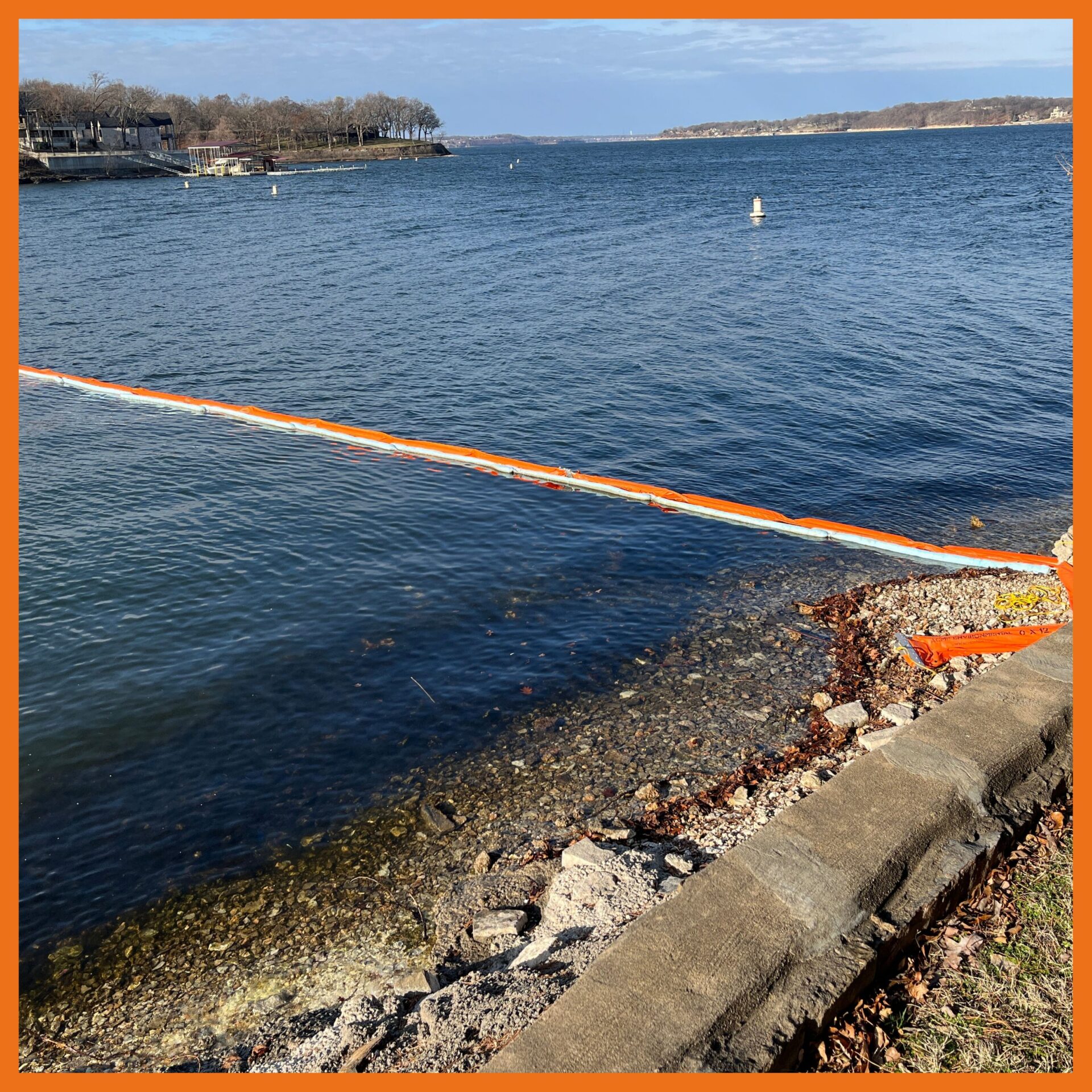
An oil containment boom is one of the first and most essential tools used in spill control and cleanup. Designed to float on the water’s surface, it forms a flexible barrier that surrounds and contains oil, helping prevent it from spreading and causing further environmental impact.
Engineered for use in a variety of aquatic environments, containment booms perform effectively in settings ranging from calm, inland waters to areas with stronger currents, wind, and wave activity. Their design allows them to maintain position and integrity while keeping oil confined for efficient recovery.
Whether you’re responding to a spill or planning with preventative measures, selecting the right boom is key. Different environments require different levels of performance, and having the appropriate solution in place ensures your response is both effective and efficient.
Product Recommendations
- Recommended section lengths: 50′ and 100′
- Top cable is recommended when several hundred feet are deployed
- 3/8″ chain ballast is recommended when tidal flows or currents exist
Features & Benefits
ACME’s Oil Spill Containment Boom is made of PVC-coated fabric. Our standard PVC-coated fabric is resistant to tears, punctures, or other damage and is available in standard orange or international yellow. For an oil containment boom used in areas with excessive hydrocarbon or UV exposure, consider our PVC-coated fabric that comes standard in orange and provides superior protection, helping extend the life of the oil containment boom by up to 50%.
Maintenance
Choosing Your Oil Spill Containment Boom
Once an oil spill occurs, the first step is to choose the correct size of oil containment boom for the cleanup. Cleanup crews should evaluate the situation, taking into account wind patterns, wave height, water depth, and current speeds. Offshore or open water environments, or locations with extreme conditions including high wind, large waves, or fast-moving currents are best suited for an open-water oil containment boom.
Deploying Your Oil Containment Boom
Care should be taken when deploying a boom for both the safety of personnel and to prevent unnecessary damage to the boom itself. A boom should never be anchored or towed by its tension members. Tow bridles made from extrusion matching the boom coupler type should be used to evenly distribute loads to the oil containment boom during deployment and use. Download the Containment Boom Deployment Brochure to learn more.
Maintaining Your Oil Containment Boom
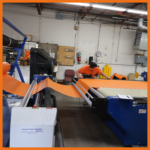
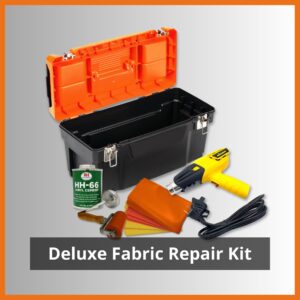
Harsh chemicals and fuels should not be used to clean an oil containment boom. An oil “stain” is far less harmful to the boom fabric than the damage diesel does when scrubbing the boom down. A mild detergent and medium-bristled brush are ideal for cleaning the surface of your oil containment boom. Power steam cleaning should be done with caution as weakened seams and welds may separate from heat and pressure. Fabric repair kits as well as hardware and fittings are available or ACME can perform repairs at our manufacturing plant — contact us today with any questions or to schedule a repair!
Storing Your Oil Containment Boom
Rinse the boom thoroughly, allow it to fully dry, and inspect for any damage before storage. An oil containment boom should be clean and free of contaminants when stored and kept out of direct sunlight as U-V radiation shortens fabric life.
Not Sure What Size You Need? We Can Help!
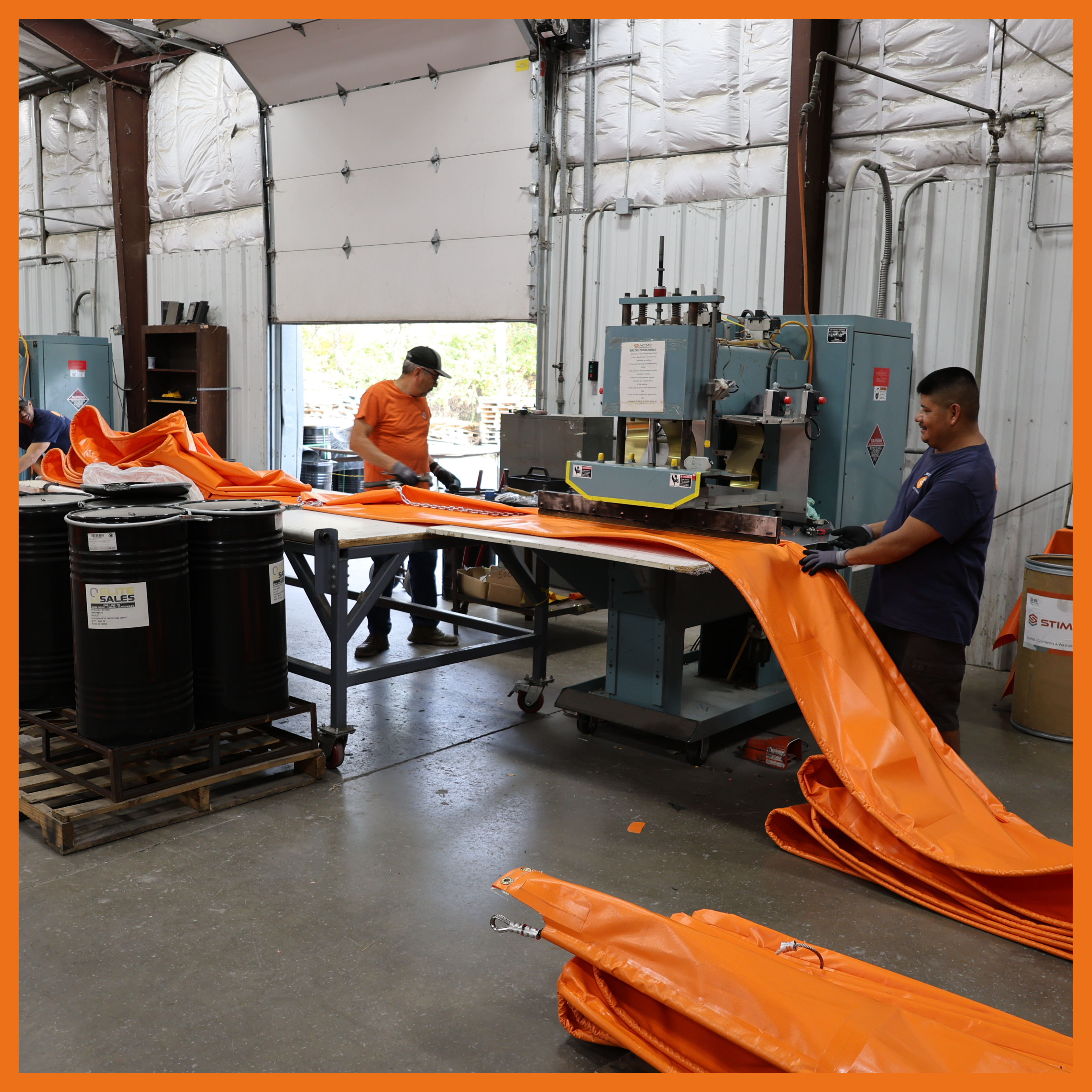
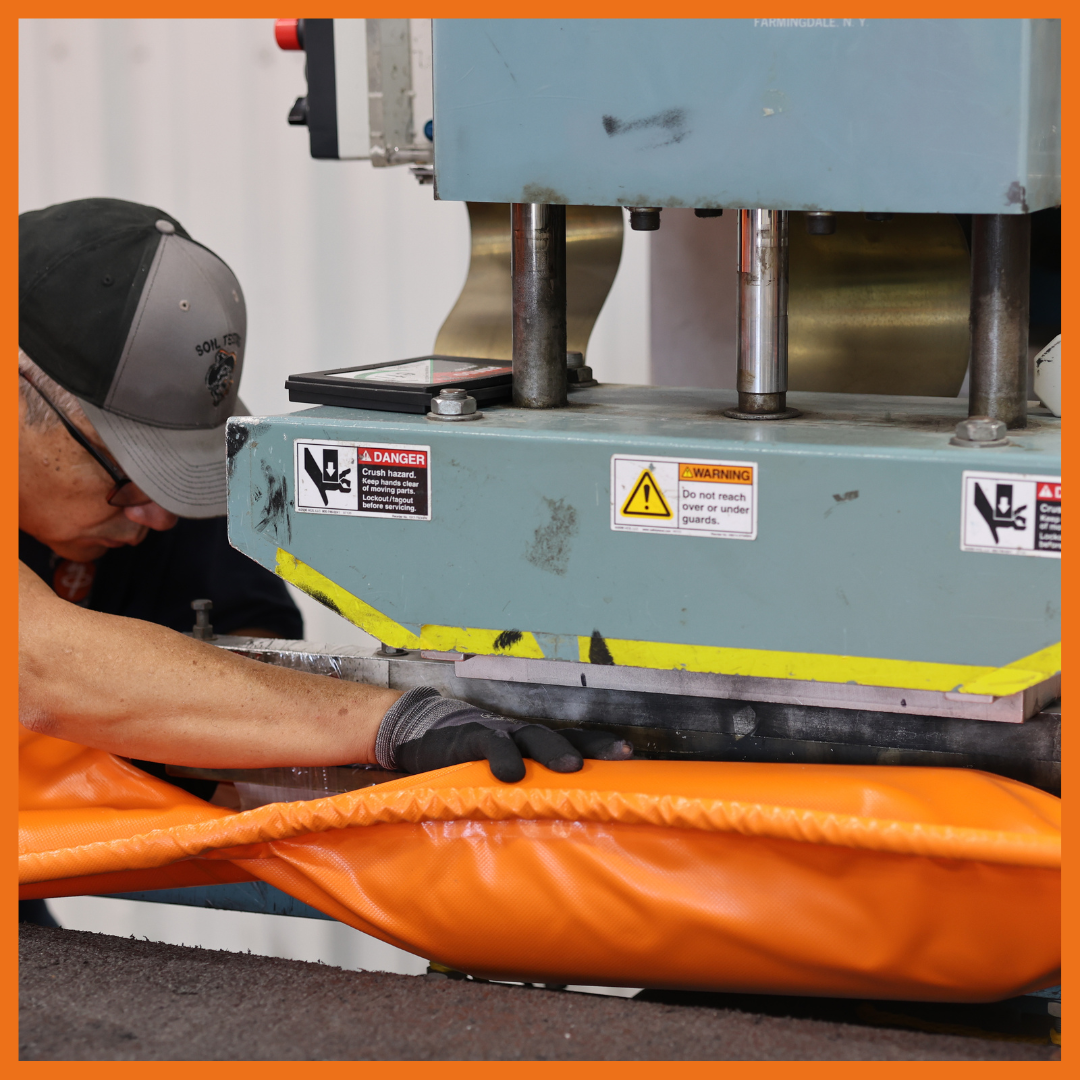
Since 1967 ACME Environmental has experience in manufacturing oil spill containment boom and all of our team members would be happy to answer your questions. Let us help you find the perfect size and length of containment boom to fit your needs.
You may also like…
Reviews
There are no reviews yet.
Reviews
There are no reviews yet.