


What Happens After The Spill Response?
Now What? When cleanup crews leave the site and the last bit of impacted soil is “removed”, it’s tempting to...
Read MoreSome people who need vacuum truck services may never have considered it or may not know who to call. Let’s say something has gone wrong at a facility, or a routine maintenance job is due, and suddenly you have a tank, a pit, or an area full of contaminated sludge that has to go somewhere else. The question becomes practical very quickly: who takes this away, how fast can they get here, and what happens to it afterward? The short answer: ACME can handle it.
In its simplest form, a vacuum truck is a heavy-duty truck carrying a large, sealed tank and a powerful pump. The pump creates suction strong enough to pull liquid, sludge, and semi-solid debris up through a hose and into the tank, which then hauls the material to a disposal facility licensed to receive it. It is the industrial version of the shop vacuum in your garage, scaled up by a factor of several thousand and built to handle material a shop vacuum would never survive. This basic description covers the equipment’s functions, but it barely touches on key factors that affect operation. For instance, why can one vacuum truck service complete a job in a few hours, while another method may take longer and cost more? Additionally, the certification marked on the side of a tank plays a crucial role in determining what a truck is legally permitted to remove from your property and transport elsewhere. Understanding these differences is essential before you hire anyone.

ACME spill technicians vacuuming a liquid from a tote to be disposed
A vacuum truck may be called to a job site for several reasons, and it helps to understand why. The first example is planned work. A few tanks must be emptied and cleaned before an inspection. Sumps, the low collection points where liquid gathers in a facility, fill on a predictable cycle and must be pumped out periodically. Catch basins, the grated drains that collect runoff in parking lots and facility yards, fill up over time and need to be cleaned out. Most of this is scheduled and budgeted. The second example is an emergency. A storage tank fails, a pipeline is breached, or a storm destroys a containment system. Now there is contaminated water, spilled fuel, or oily sludge somewhere it should not be, and every minute that it stays there is another minute of accumulating cost and regulatory exposure.
These feel like separate problems, so facilities often hire separately for them, awarding the routine work on price and scrambling for whoever is available during an emergency. That approach quietly costs money, is risky, and often puts a facility in a bind when the need for a vacuum truck arises. A crew that already knows your site from doing the scheduled work knows where the access points are, what your material streams contain, and which disposal facility takes them. When something goes wrong at two in the morning, that familiarity is the difference between a crew that arrives ready to work and one that spends the first hour orienting itself. This being said, having a partner readily available is the smartest strategy. Call ACME Environmental for any vacuum services when in need. We have you covered 24/7/365.

ACME’s Vacuum truck removing oily sludge from a pipe
Vacuum trucks are usually advertised by tank size, and the number alone can be misleading. ACME Environmental’s truck carries a 3,300-gallon tank, but that capacity is split into two compartments, and the split matters. 3,000 of those gallons hold recovered material. That figure sets how much our truck can remove before it must drive to a disposal site and come back, and since a round trip can easily consume time, capacity translates almost directly into how long the job takes. When you compare providers, ask for the debris capacity rather than the total number, because a smaller tank can mean more trips and more money.
The remaining 300 gallons carry clean water, feeding a pressure washing system rated at 33 gallons per minute at 3,000 PSI, with 200 feet of hose on a reel. This capability allows ACME’s crew to more easily remove residue from the affected area. The reason it lives on the same truck is straightforward: once the material has been vacuumed out, the area almost always needs to be decontaminated. A truck that carries its own water can finish the job quicker. A truck that doesn’t means a second piece of equipment, a second appointment, and a site that stays disturbed in between.
A few other details on the spec sheet are important as well. Our tank is constructed from 5/16″ carbon steel, providing the durability needed for demanding vacuum truck applications. The rear door is designed to open fully and operates hydraulically, giving our crew unobstructed access to the tank. This design is especially valuable when it’s time to discharge thick sludge, heavy material, and settled solids. Instead of forcing material through a small valve or spending time trying to clear a restricted opening, we can open the rear door and discharge the contents more efficiently.

ACME Environmental’s Vacuum Truck
The tank on ACME’s truck is constructed and certified to meet both ASME and DOT 412 standards. It clearly displays federal hazard placards on both sides, the rear valve box, and the front bumper. DOT 412 sets federal guidelines for cargo tanks that transport liquids, including hazardous materials. These guidelines specify the standards for tank construction, the pressures they can withstand, and the types of materials they are permitted to carry safely. Without this certification, a tank faces significant restrictions on what it can legally transport on public roads, which can have a direct impact on you. If a crew arrives on-site and discovers that the substance at the bottom of a pit is more aggressive than initially anticipated, a properly certified truck can proceed with its work without interruption. Conversely, an uncertified truck would have to halt operations, resulting in unnecessary delays.
However, certification is just one component. It is essential for our crew to accurately identify the materials being removed, document everything properly, and ensure that the materials are delivered to an approved disposal facility. This documentation serves as proof that the materials have legally been removed from your site and have been disposed of correctly. Without the appropriate documentation, the removal process is not truly complete; it just moves the issue to another location, still tied to your name. This is where ACME excels. We prioritize compliance with all necessary DOT regulations, ensuring that before any pickup occurs, all essential paperwork is completed, substances are accurately identified, and transportation is carried out swiftly and safely.
It is important to understand that vacuuming material out of an area is rarely the end of the job; it is often just the beginning of the recovery process. During a spill, containment comes first, preventing the material from spreading further while response crews and equipment are mobilized to clean it up. Once the spill is contained, vacuum trucks and recovery equipment can remove spilled product, contaminated water, and other impacted materials. What comes next depends on what the initial response leaves behind and what is required to return the site to a safe, stable, and usable condition.
Contaminated soil may require remediation services to treat or remove pollutants that remain in the ground following a spill. ACME’s remediation services offer solutions for addressing impacted soil, including Ex Situ Remediation, In-Situ remediation, and dig-and-haul methods tailored to site conditions and client needs. Recovered groundwater and wastewater may also contain contaminants even after spilled products have been removed. ACME’s GAC filtration services use granular activated carbon (GAC) to remove contaminants from recovered water, helping to ensure it is properly treated before being discharged or used further. Once contaminated materials have been removed or treated, the focus can shift toward restoring the site. A response can leave behind disturbed soil and damaged vegetation requiring stabilization and repair. Through site maintenance and restoration, ACME can help return impacted areas to a safe, functional, and usable condition. The objective is not simply to remove what was spilled, but to address the full impact of the incident and help restore the site to its intended condition.

ACME spill tech hydroseeding affected ground
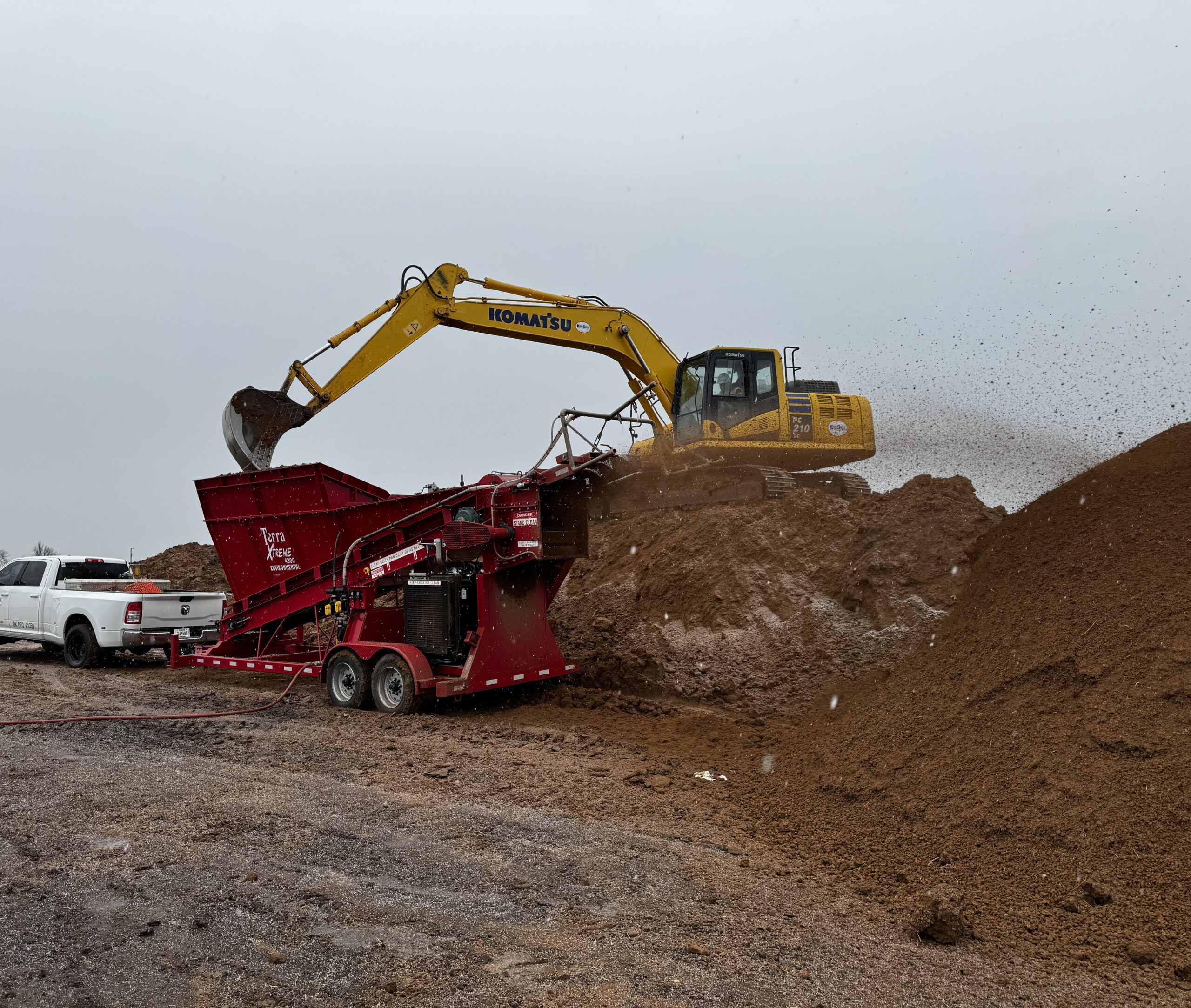
ACME’s Ex Situ Remediation unit decontaminating soil of hydrocarbons
This is where having an experienced environmental partner can make a significant difference. As a #0010 Oil Spill Removal Organization (OSRO) designated by the United States Coast Guard (USCG), ACME Environmental has the experience, equipment, and capabilities to support the entire response and recovery process. From emergency containment and product recovery equipment to remediation, water treatment, site restoration, and ongoing maintenance, our team is prepared to provide the solutions you need, 24/7/365. Whether you are preparing for a potential incident, responding to an emergency, performing routine work, or managing the long-term needs of an affected site, ACME is ready to help.
Before hiring a vacuum truck provider, ask these 4 questions:
None of these are hard questions for a capable provider to answer directly. ACME Environmental operates out of Tulsa, OK, dispatched by the same teams that handle spill containment, decontamination, and remediation. Whether the job has been on the calendar for a month or started twenty minutes ago, the process is the same.
https://acmeboom.com/articles/oil-spill-response-land-vs-water/
https://acmeboom.com/articles/fall-2025-boom-school-preparing-in-advance/
https://acmeboom.com/case-studies/acme-in-action-northern-oklahoma-oil-spill/
https://acmeboom.com/services/oil-spill-response/
https://acmeboom.com/services/site-maintenance-and-restoration/
https://acmeboom.com/resources/oil-spill-categories/
https://acmeboom.com/resources/oil-spill-glossary/
https://acmeboom.com/articles/oil-spill-preparations-preparedness/
Posted on: September 1, 2026
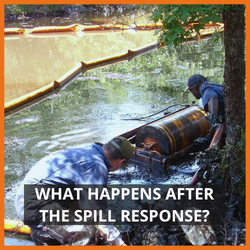
Now What? When cleanup crews leave the site and the last bit of impacted soil is “removed”, it’s tempting to...
Read More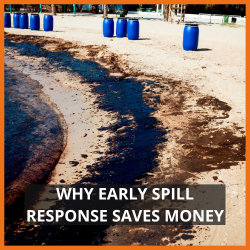
Posted on: August 3, 2026
The Cost of Waiting Too Long When an oil or chemical spill occurs, every minute counts. What may begin as...
Read More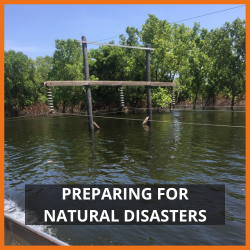
Posted on: June 19, 2026
Why Preparation Matters When severe weather strikes, industrial facilities face risks that extend far beyond structural damage and operational downtime....
Read More
Posted on: May 12, 2026
Proactive Waterway Protection Protecting waterways during construction, dredging, remediation, and spill-response operations requires more than simply reacting to contamination after...
Read More