


ACME’s Vacuum Truck Services
What Are Vacuum Truck Services? Some people who need vacuum truck services may never have considered it or may not...
Read MoreWhen cleanup crews leave the site and the last bit of impacted soil is “removed”, it’s tempting to consider the job finished. The equipment is gone, the site looks clean, and the incident report is closed. In reality, that moment often marks the beginning of the next phase, not the end of the project. The initial cleanup and containment are the first, most visible steps in spill response, but they’re rarely the last. Contaminants can persist in the area for months and even years after a response has concluded, and a site that passes inspection on closure day doesn’t always stay that way. Upon closer examination, it may become apparent that the site’s health is still compromised.
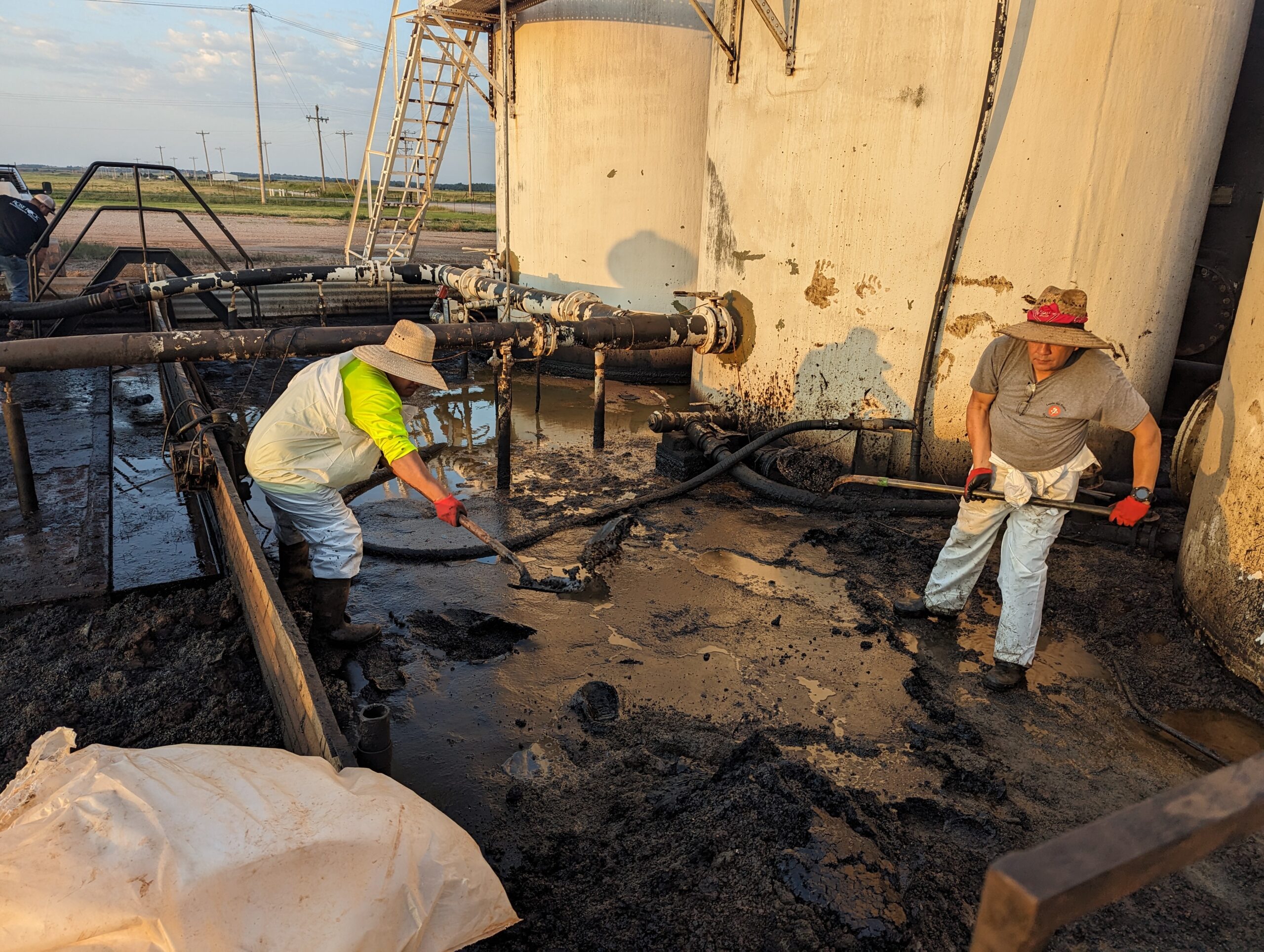
ACME spill techs shoveling up an oil spill on a well site
A site that is truly healthy and/or restored usually depends on what happens afterward: verifying that contaminants stay contained, that they haven’t migrated, and that the site continues to meet regulatory standards long after the last team leaves. That means ongoing sampling, regular inspection of containment systems, restoration work, and in-place soil remediation are all necessary to some extent. It also means having the right equipment already in place so that the next issue that arises can be addressed before they become bigger ones.
As a full-service remediation and oil spill equipment provider, ACME Environmental’s commitment to a site rarely ends when the spill has been contained and/or cleaned up. It can extend into the long-term stewardship, monitoring, and maintenance that keeps the initial response effective. The sections below walk through why that follow-up work matters, what it typically involves, and how ACME supports sites through every stage of that commitment.
Contamination doesn’t always behave the same way it did when it was first released into the environment. Residual hydrocarbons or brine in soil, sediment, and water can linger, only to migrate over time as groundwater levels shift or seasonal conditions change. Left unchecked, migration can quietly seep into groundwater, surface water, or nearby habitats, undoing progress that was already paid for. Regulatory frameworks recognize this risk, which is why many spill responses come with ongoing obligations: periodic testing, soil remediation, adjustments of containment systems, and continued oversight designed to confirm that a site’s initial cleanup success holds up under real-world conditions rather than just the conditions present on closure day.
Periodic sampling of soil, groundwater, and surface water is essential to any monitoring program, providing all stakeholders with a clear understanding of whether contaminants are remaining contained or starting to reemerge. However, it’s crucial not to overlook the containment infrastructure itself, particularly once a site appears stable. For instance, at locations near or on bodies of water, ACME’s oil spill containment boom is a widely used tool for managing oil spills. These containment booms are custom-manufactured to meet the unique demands of each site. Regular inspections of these systems should be a fundamental part of routine maintenance, rather than assuming they will remain effective indefinitely. Once deployed, containment boom systems can shift due to changes in tides and currents, debris accumulation, or weak anchoring. Therefore, ACME strongly recommends conducting regular inspections to ensure that your containment system operates effectively. A prime example of this diligent maintenance is seen in ACME’s ongoing operations. For over 25 years, we have successfully prevented a legacy spill from traveling down a nearby waterway. This ongoing commitment includes weekly inspections, replacement of absorbents, and the re-anchoring of containment booms to maintain optimal performance of the containment system.
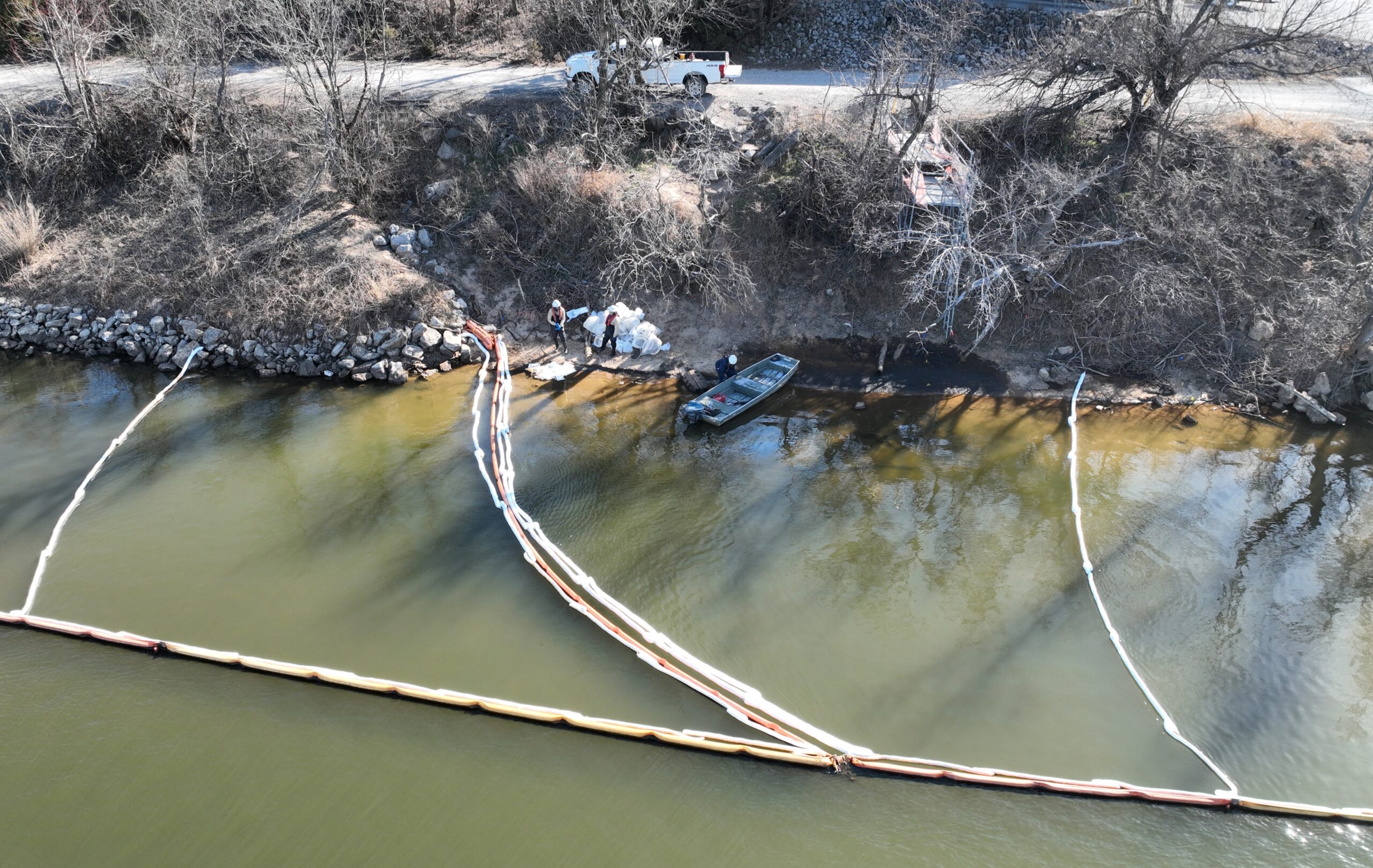
ACME employees maintaining oil absorbent boom and containment boom in a river
On land, sites that depend on berms for ongoing spill containment can benefit from having primary and secondary containment products readily available, such as reinforced folding containment berms and aluminum angle berms. This preparation simplifies the process of maintaining or replacing aging containment systems during routine inspections, rather than scrambling to address issues after they arise. These products are especially effective for containing smaller spills before they escalate into major problems, providing responders with more time to act and preventing significant damage to both the environment and finances.
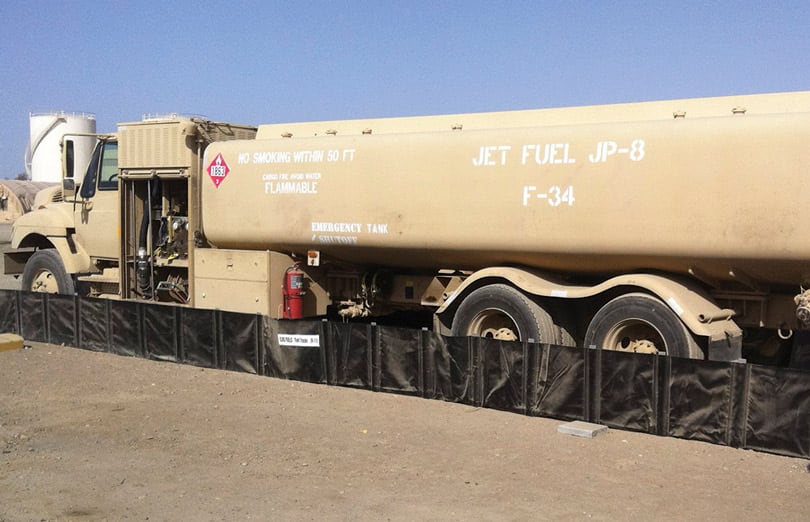
An Aluminum Angle Berm with a tanker truck staged in it to prevent any spilled jet fuel from escaping the area
Another facet of ACME’s post-spill capabilities comes in handy for areas where remediation has disturbed soil and removed vegetation. Restoration work like re-vegetation, erosion control, and sediment stabilization helps the land recover and resist further disturbance. ACME’s hydroseeding and vegetation restoration services are built for exactly this stage, combining seed, mulch, and fertilizer into a single application that speeds up regrowth and stabilizes disturbed ground faster than conventional seeding methods allow.
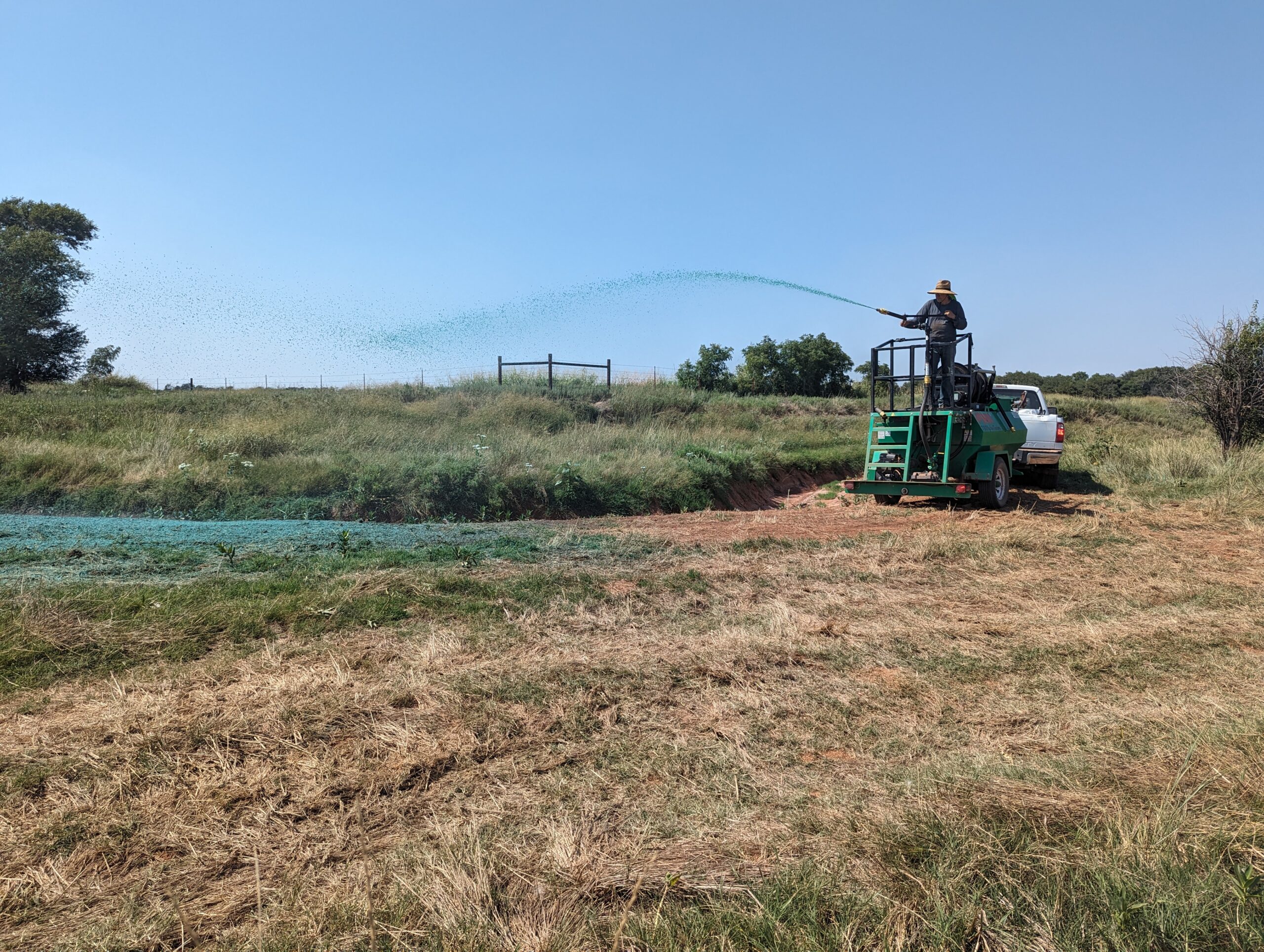
ACME employee spraying a Hydroseed blend to help vegetation regrowth
From maintaining containment systems and replacing aging equipment to restoring disturbed ground, ACME Environmental provides the products, services, and expertise needed to keep your site protected long after the initial response. Don’t wait for a containment failure or new release to put your site at risk. Contact ACME Environmental today to develop a monitoring, maintenance, and restoration plan tailored to your site.
When monitoring reveals contamination that needs to be eliminated once and for all, ACME offers a solution that stands apart from traditional methods. Instead of excavation and disposal, we use Ex Situ Remediation, a treatment method designed to eliminate contamination on-site rather than relocating the issue elsewhere. Our mobile remediation unit is equipped with a specialized shredding system that “shreds” contaminated soil, increasing its surface area for more effective treatment. We then apply a proprietary solution that removes hydrocarbons from the soil. After treatment, the soil is tested to ensure contamination levels have dropped to acceptable limits before being returned to its original location, all without a single truckload leaving the property. This on-site approach transforms the economics of contamination management.
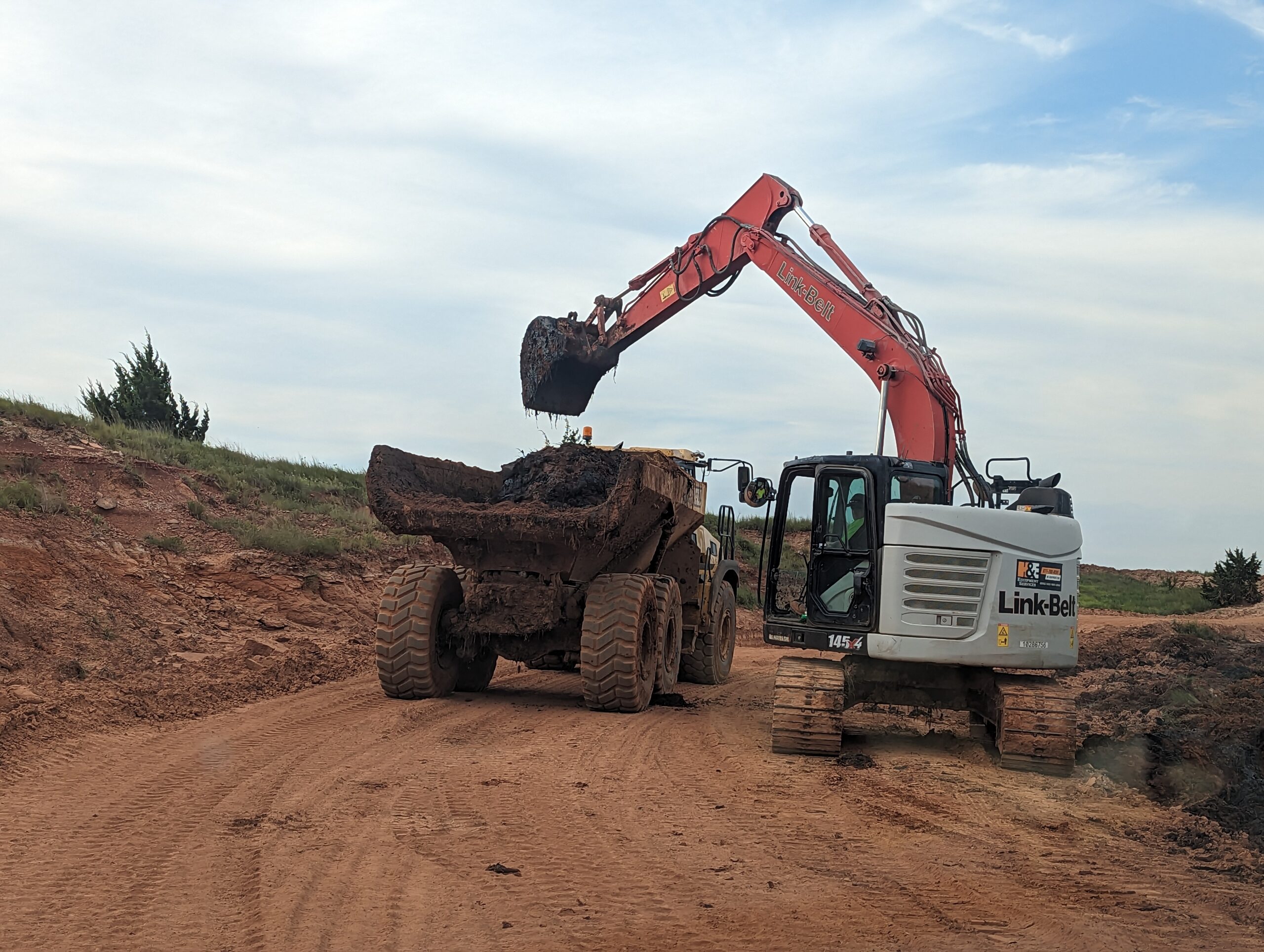
A dump truck and excavator performing a traditional dig and haul
In contrast, traditional dig-and-haul remediation involves excavating the soil, protecting it during transport, hiring subcontractors, operating equipment, and paying landfill fees that often range from $40 to $60 per cubic yard. Costs can escalate into the hundreds of thousands of dollars for sites with just a few thousand cubic yards affected, not even factoring in transportation and labor expenses. Since ACME’s Ex Situ Remediation unit ensures that soil remains on-site, we significantly reduce these costs and eliminate the fuel consumption and emissions associated with a dig-and-haul fleet. Our proprietary remediation blend has received recognition from regulatory agencies, including the Environmental Protection Agency (EPA) and various state environmental authorities, providing clients with a treatment method that stands up to scrutiny regardless of the sites’ location.
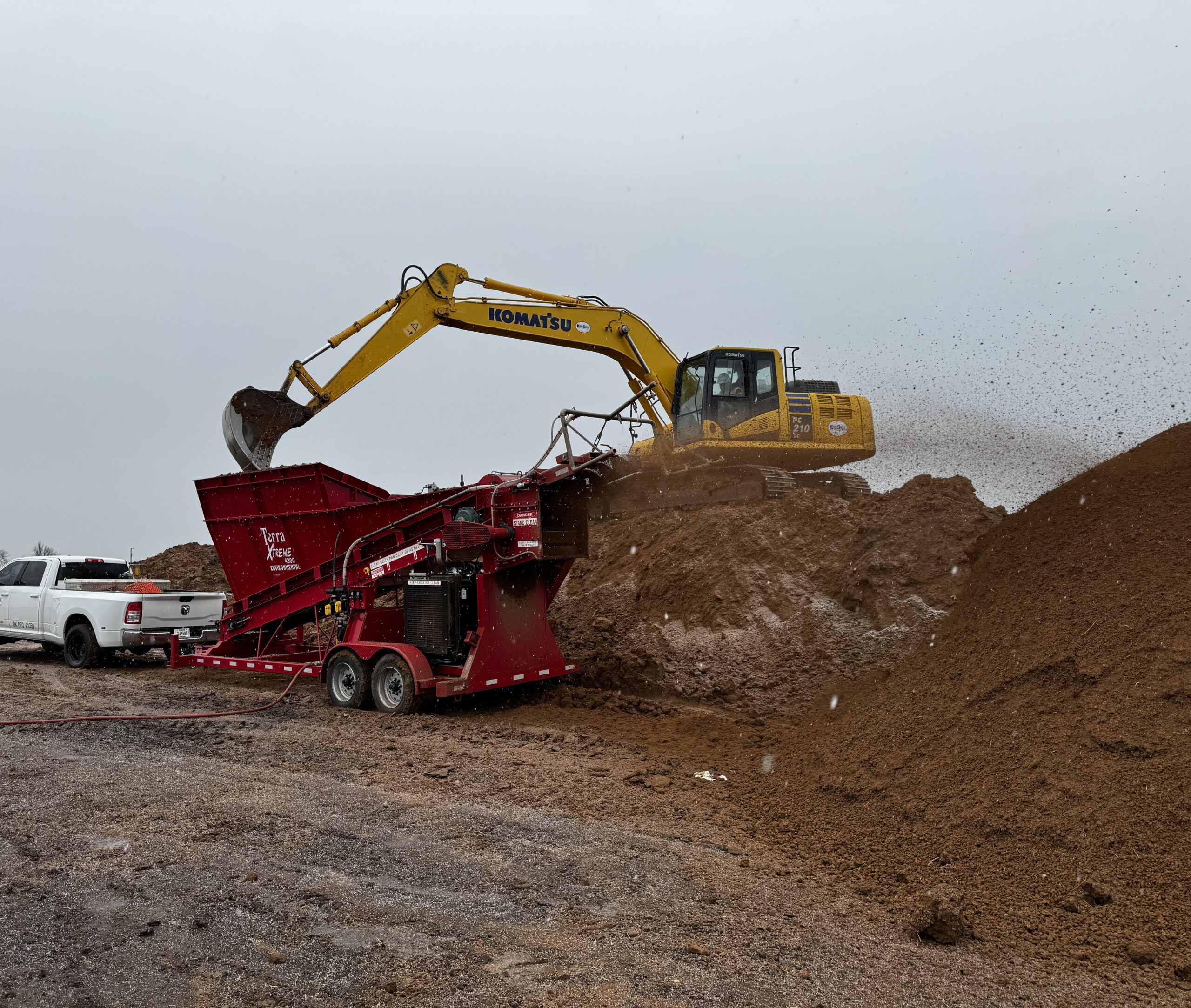
ACME’s Ex Situ Remediation unit decontaminating soil of hydrocarbons
ACME’s remediation capabilities highlight the critical nature of addressing contamination on-site. Tackling the issue upfront results in a manageable, one-time expense. In contrast, allowing the problem to grow can lead to a far more costly, disruptive, and regulatory headache, exactly what this method seeks to avoid. For a more in-depth comparison of these approaches, check out ACME’s detailed breakdown of the cost and benefits of Ex-Situ Remediation.
While Ex Situ Remediation effectively addresses large-scale contamination, ACME also offers tailored services for smaller sites. Our Well Maintenance Through Till-and-Treat provides a lighter-touch solution: we utilize skid steers and hand tillers to aerate the affected soil, applying our proprietary blend to expedite the breakdown of hydrocarbons or, in the case of saltwater spills, to bind and neutralize chlorides, ensuring a clean well site. Between these two remediation techniques, ACME has you covered. To learn more about how ACME can assist you with your remediation needs, contact us today.
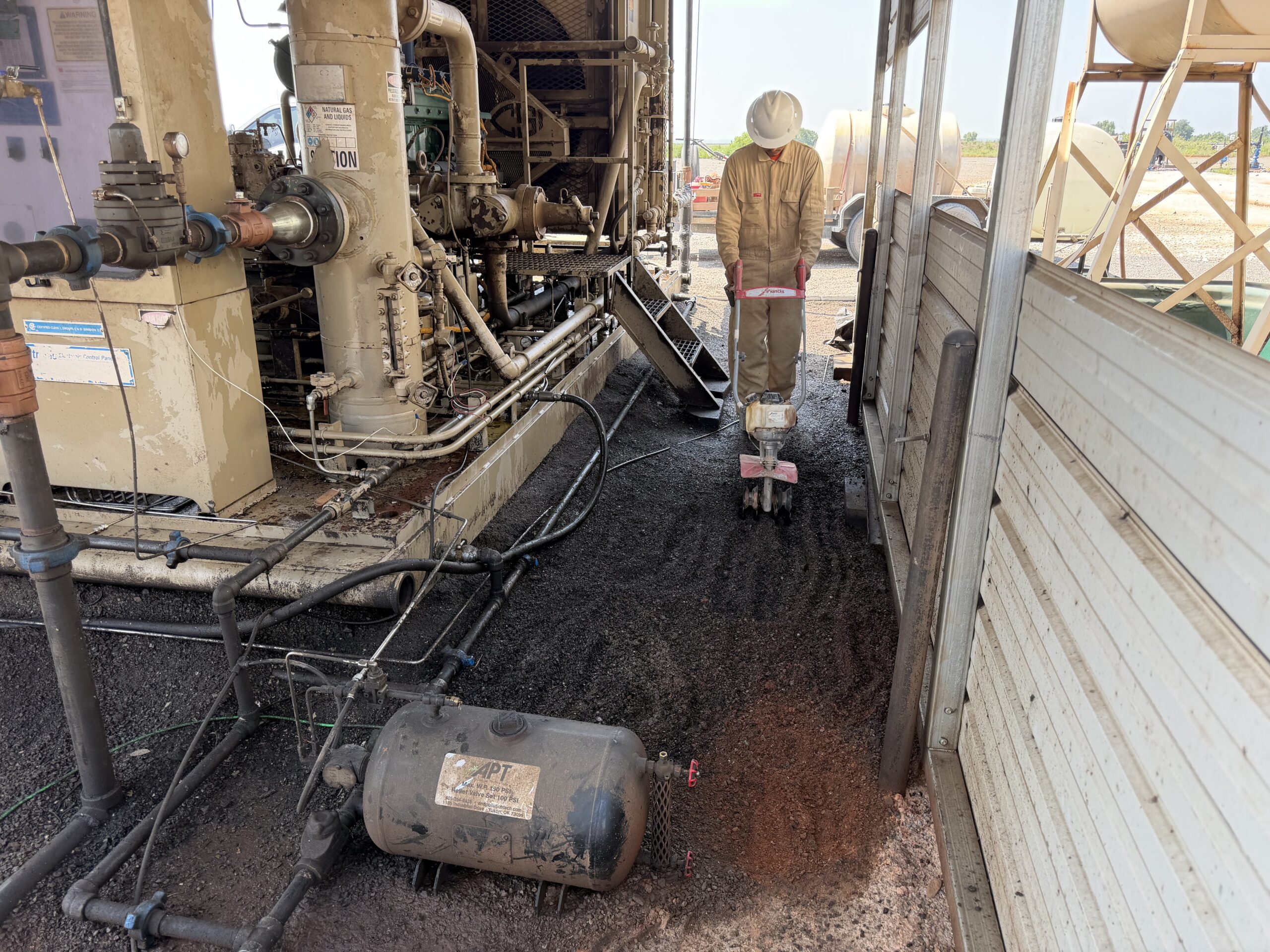
ACME spill tech performing well maintenance through our “till and treat” process
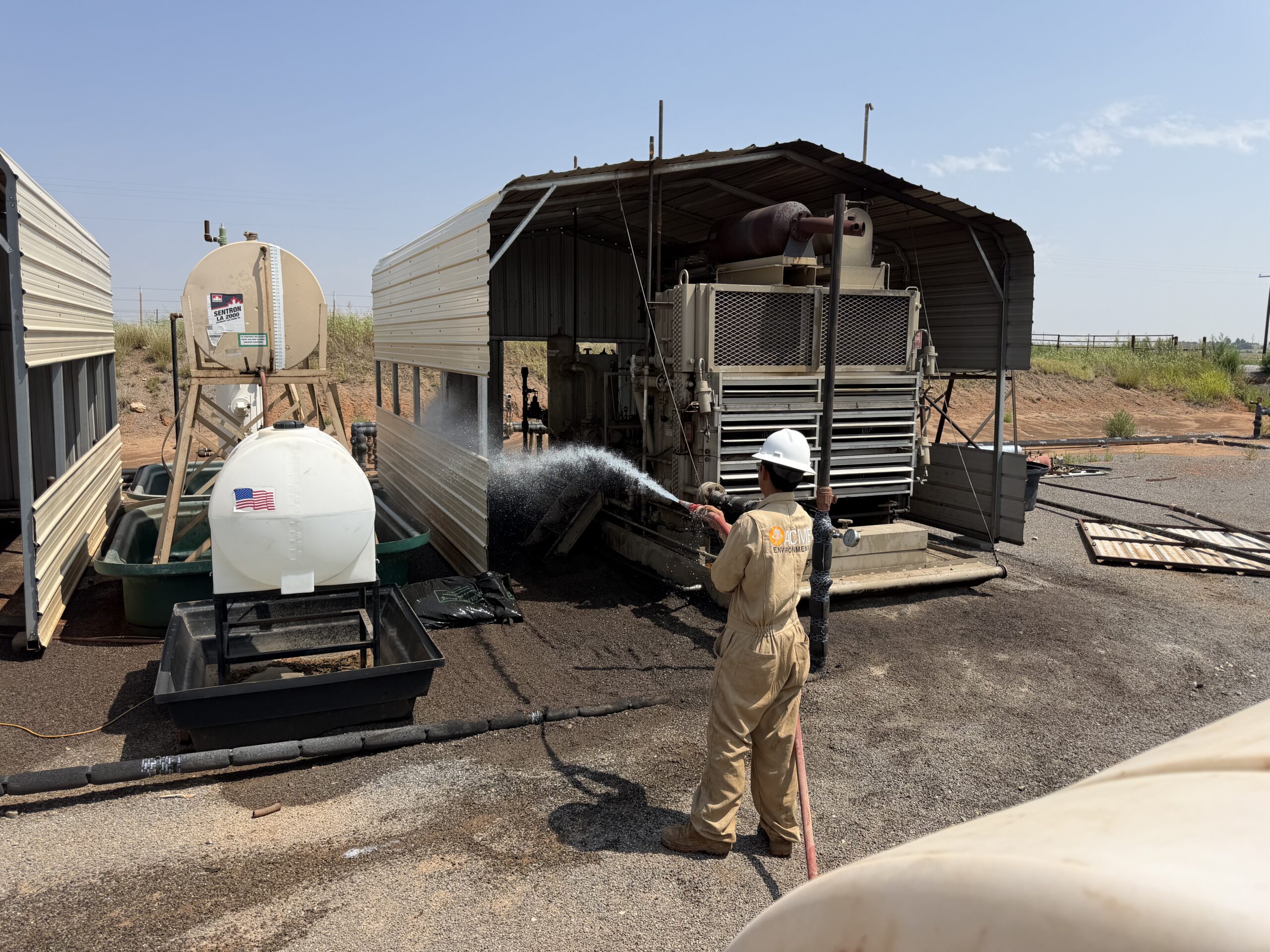
ACME spill tech performing well maintenance through our “till and treat” process
A spill may be cleaned up, but protecting your site doesn’t always stop there. Without continued monitoring, maintenance, and necessary soil remediation, residual contamination can migrate, containment systems can fail, and small issues can become costly environmental problems.
That’s where ACME Environmental comes in.
From oil spill equipment and site maintenance to hydroseeding and advanced Ex Situ Remediation, ACME provides the equipment, expertise, and services needed to keep your site protected before, during, and long after the initial spill response. Our team helps identify potential problems early, maintain containment, restore disturbed areas, and eliminate remaining contamination before it becomes a larger liability.
Partner with ACME Environmental for long-term site protection and environmental solutions built to keep your operations moving forward. Contact ACME Environmental today to discuss your monitoring, maintenance, and remediation needs.
https://acmeboom.com/articles/oil-spill-response-land-vs-water/
https://acmeboom.com/articles/fall-2025-boom-school-preparing-in-advance/
https://acmeboom.com/case-studies/acme-in-action-northern-oklahoma-oil-spill/
https://acmeboom.com/services/oil-spill-response/
https://acmeboom.com/services/site-maintenance-and-restoration/
https://acmeboom.com/resources/oil-spill-categories/
https://acmeboom.com/resources/oil-spill-glossary/
https://acmeboom.com/articles/oil-spill-preparations-preparedness/

Posted on: September 11, 2026
What Are Vacuum Truck Services? Some people who need vacuum truck services may never have considered it or may not...
Read More
Posted on: August 3, 2026
The Cost of Waiting Too Long When an oil or chemical spill occurs, every minute counts. What may begin as...
Read More
Posted on: June 19, 2026
Why Preparation Matters When severe weather strikes, industrial facilities face risks that extend far beyond structural damage and operational downtime....
Read More
Posted on: May 12, 2026
Proactive Waterway Protection Protecting waterways during construction, dredging, remediation, and spill-response operations requires more than simply reacting to contamination after...
Read More