


ACME’s Vacuum Truck Services
What Are Vacuum Truck Services? Some people who need vacuum truck services may never have considered it or may not...
Read MoreAs the emergency response industry faces new challenges, each hurdle offers a chance for growth and innovation. To address these changing demands, ACME Environmental, in partnership with Rapid Response Systems (RRS), offered a comprehensive four-day Boom School from October 27-30, 2025.
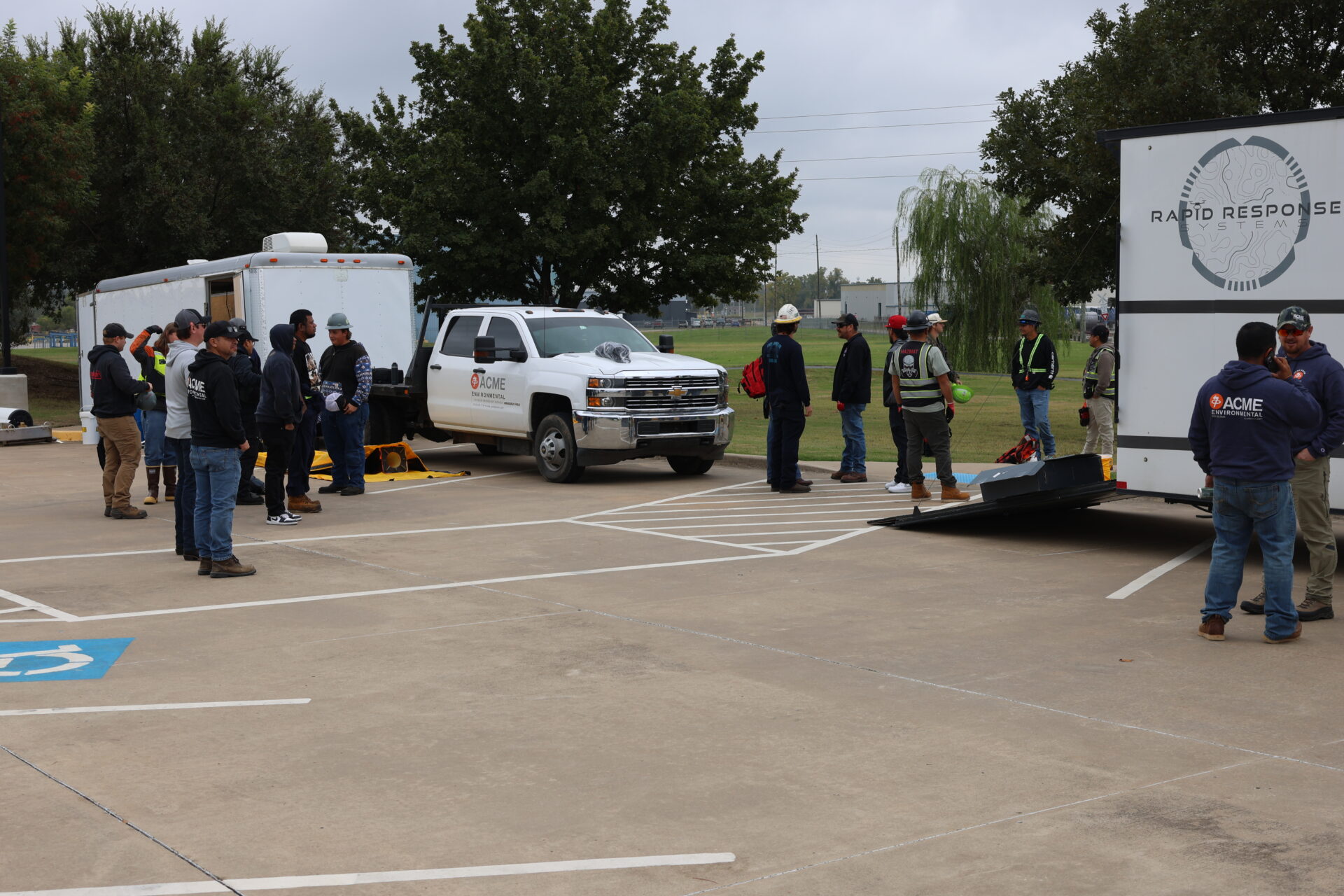
This program blends in-depth classroom instruction with hands-on field training, equipping responders with the skills needed to effectively manage real-world spill situations. Participants engaged in a curriculum that incorporated the latest advancements in digital technology, strategic deployment methods, and incident command system practices to ensure they are well-prepared for emergencies.
Throughout the course, attendees had the opportunity to learn how to effectively manage an Incident Command Post (ICP), a crucial element in coordinating operations and promoting clear communication among teams during an emergency response. By working on their communication skills, participants were able to maintain strong collaboration and efficiency during our simulated responses.
To stay updated with future training opportunities and industry updates, we encourage you to subscribe to our newsletter and follow ACME Environmental on LinkedIn. This will help ensure you remain informed and ready for the challenges that lie ahead.
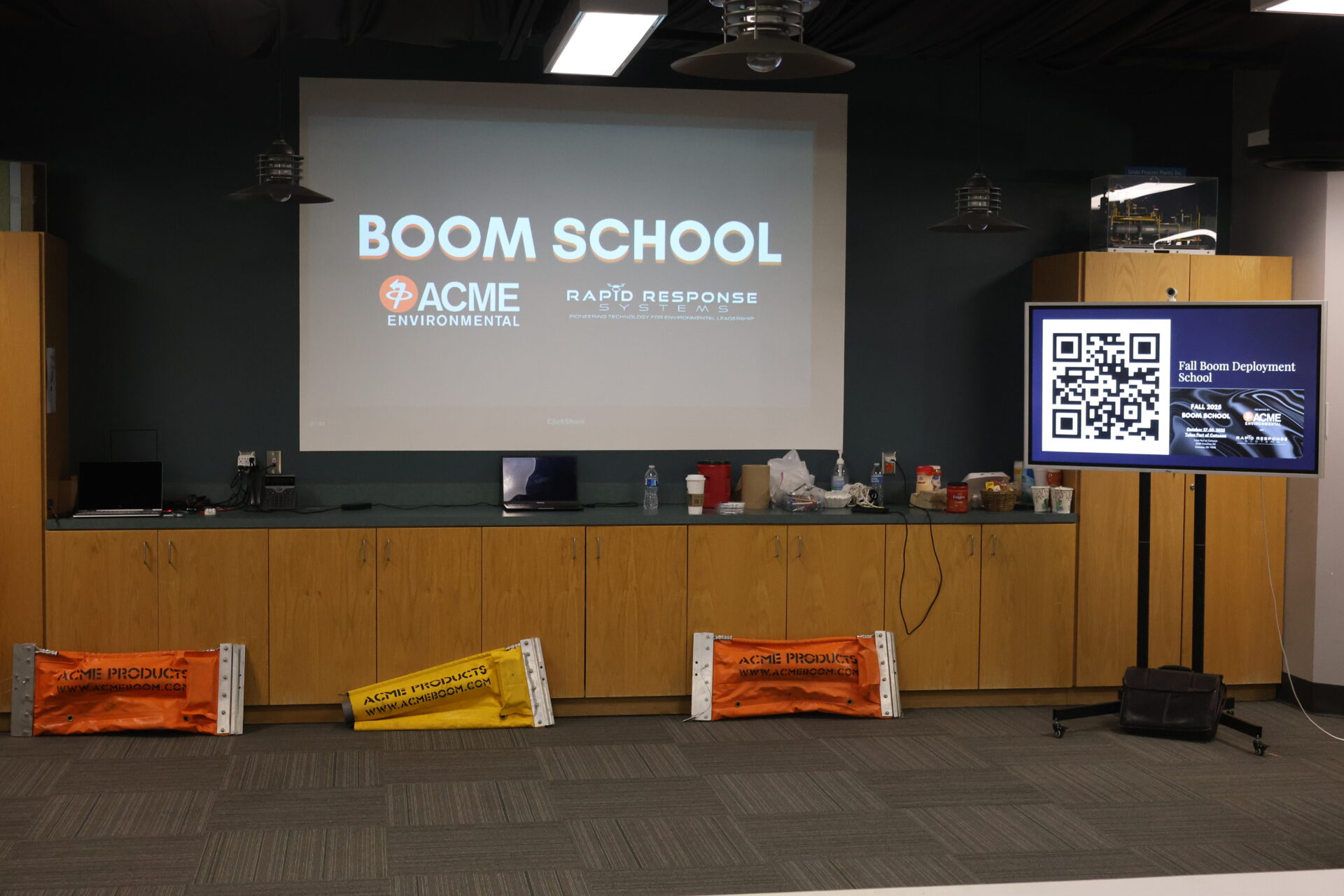
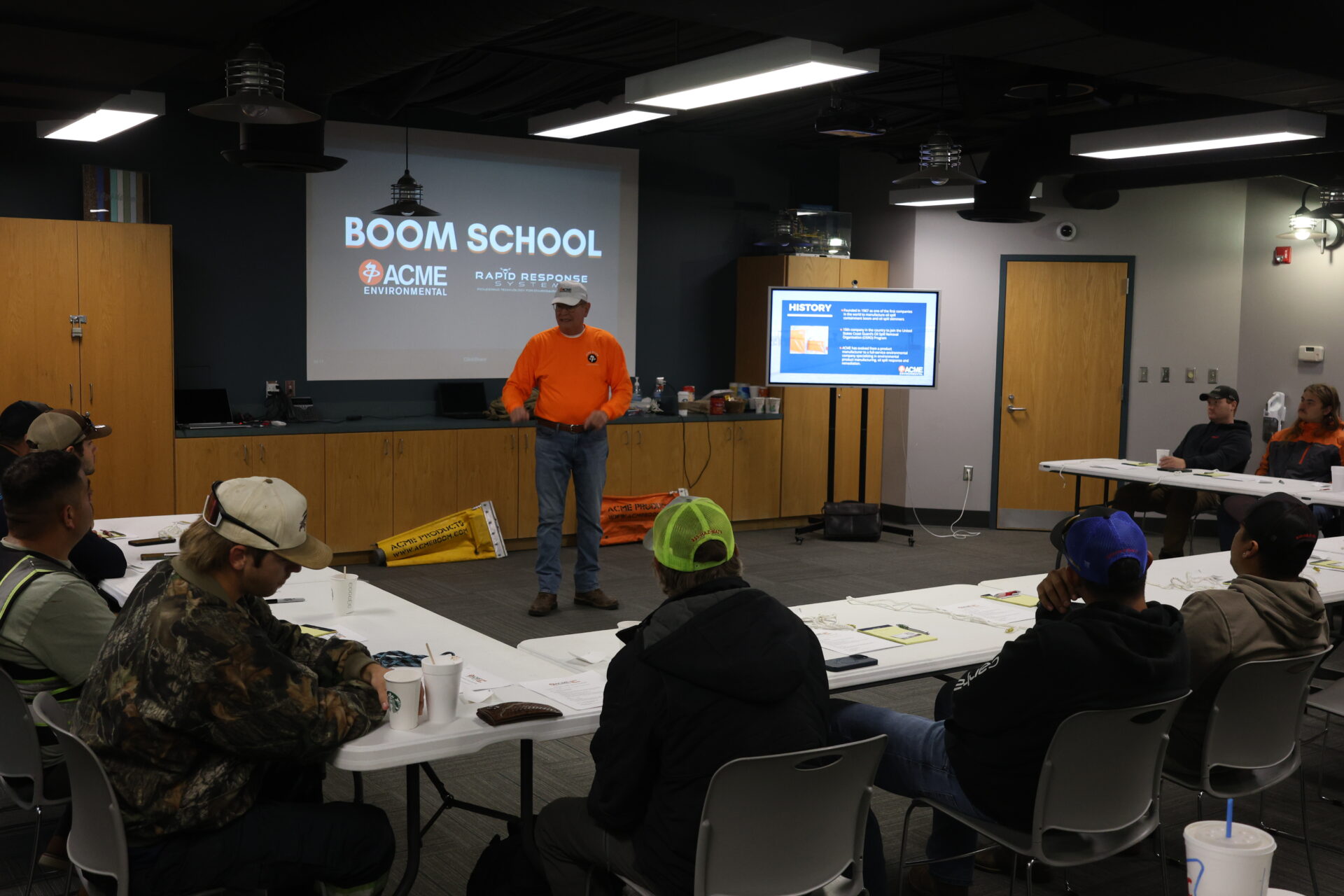
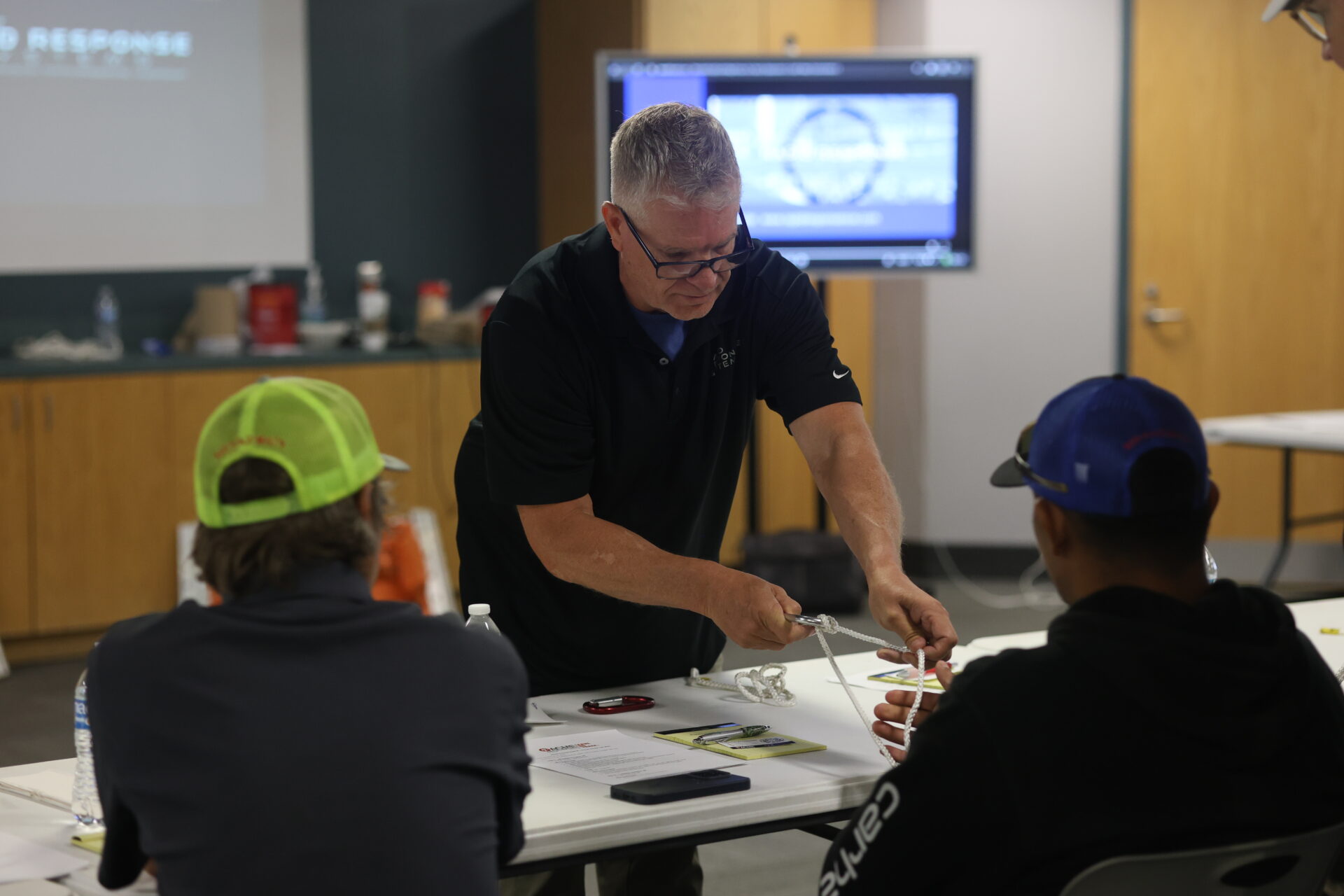
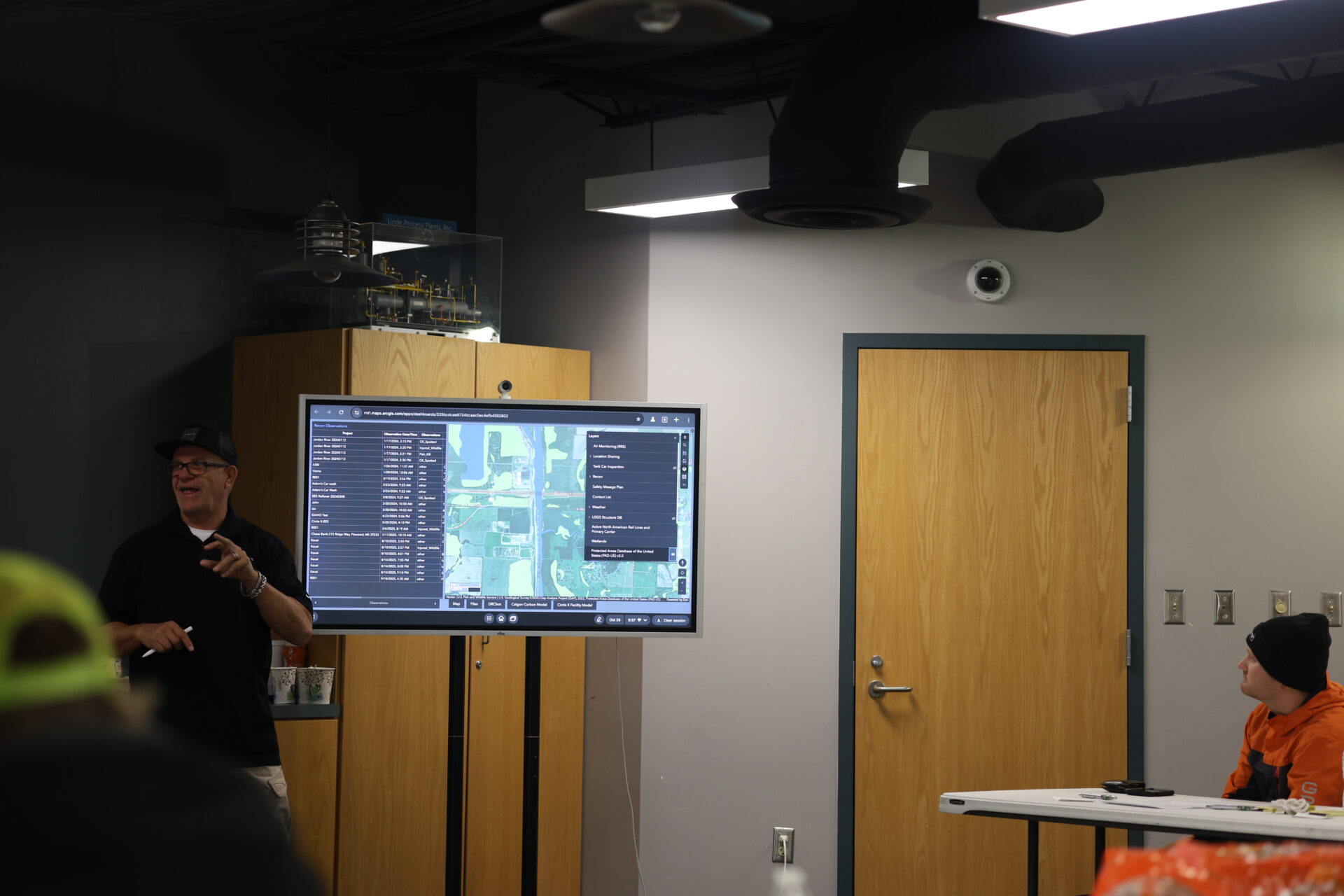
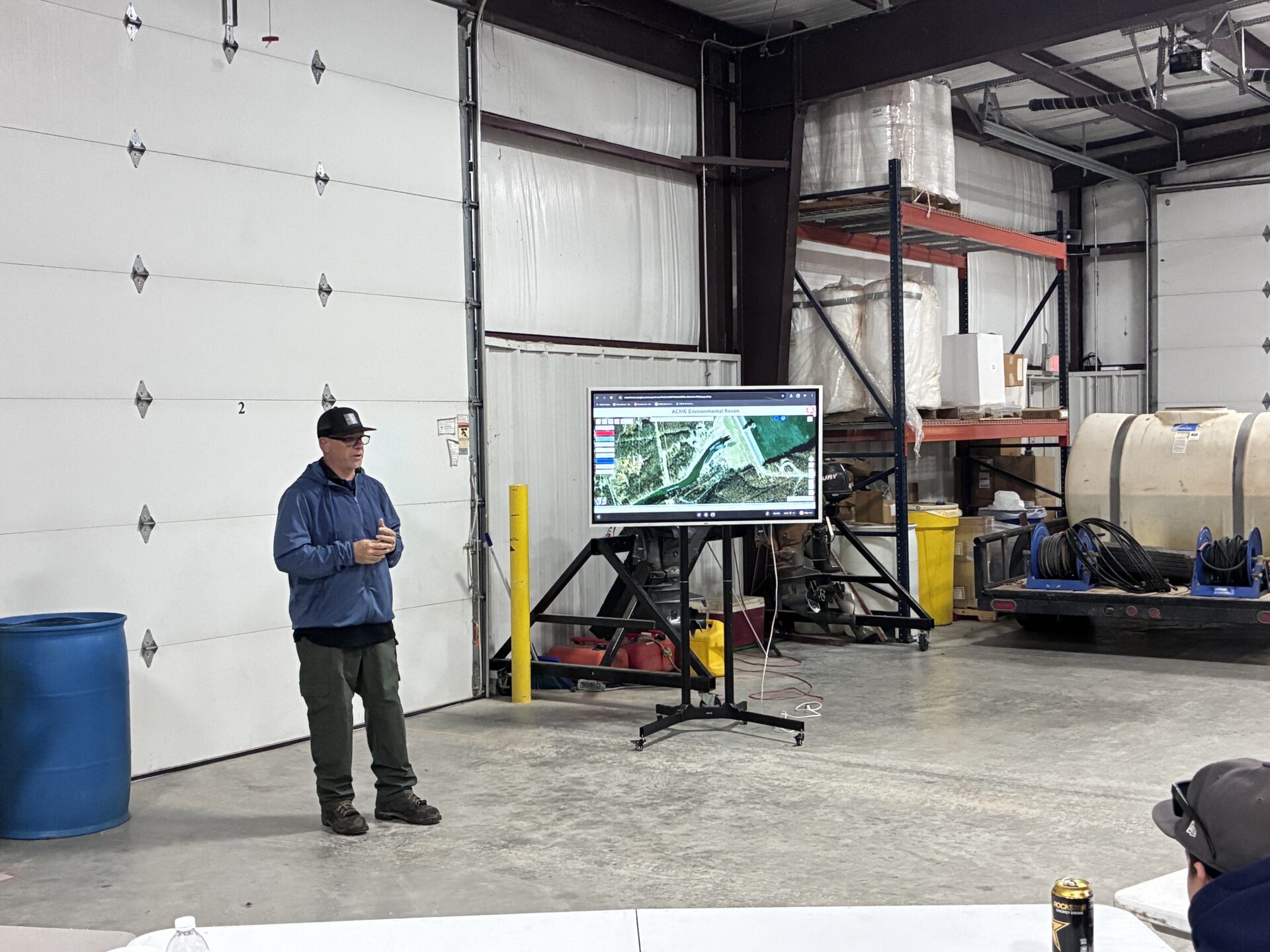
The training began with a session led by Rapid Response Systems, showing how new technology is changing the way spill responses are managed. Participants worked with ACME and RRS’s digital platform, a live dashboard that brings together real-time information from the field. They learned how to enter data, complete digital forms, and create Incident Action Plans (IAPs), gaining a clear understanding of how these tools make communication faster and decision-making more efficient during an emergency. Learn more about our digital response tools.
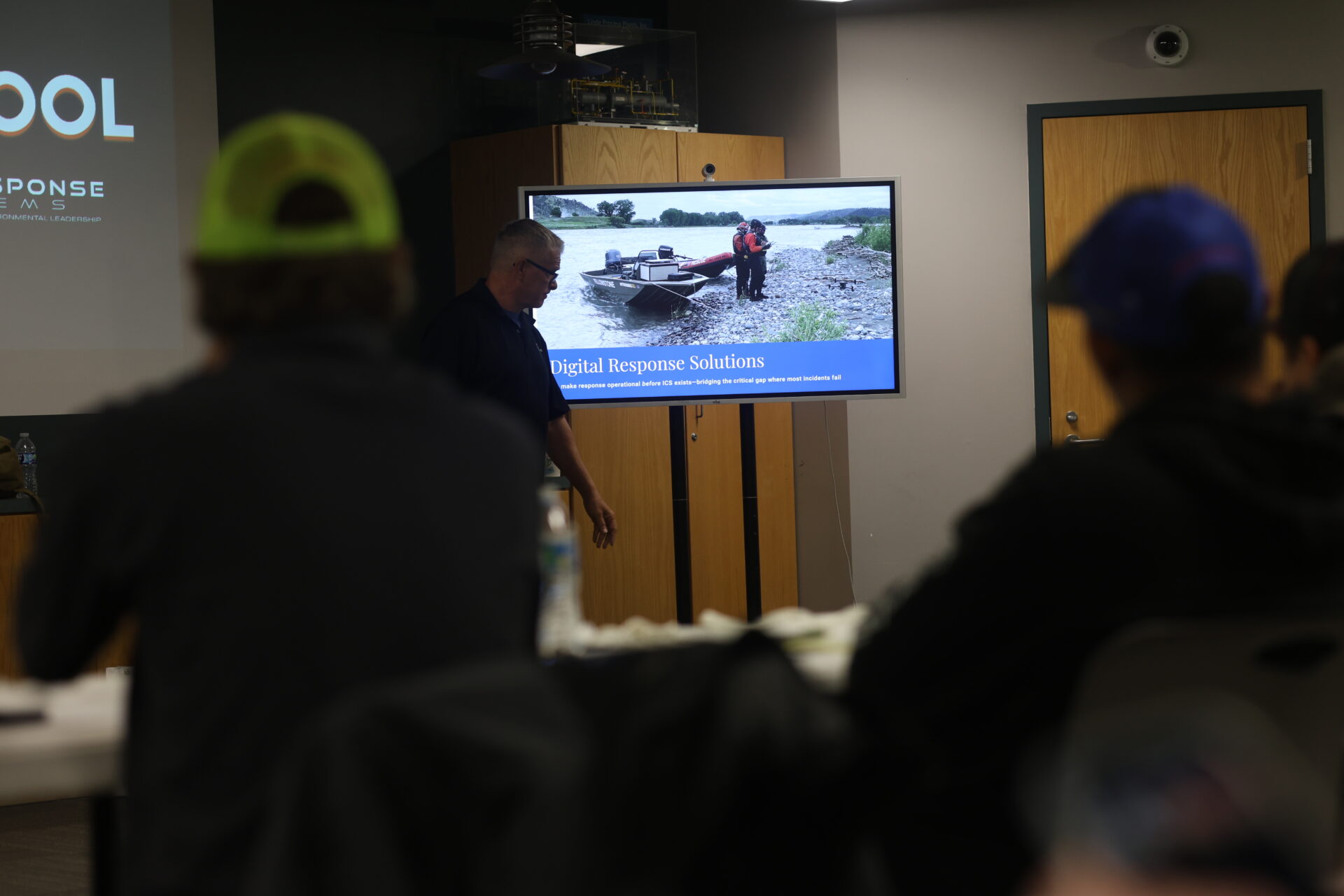
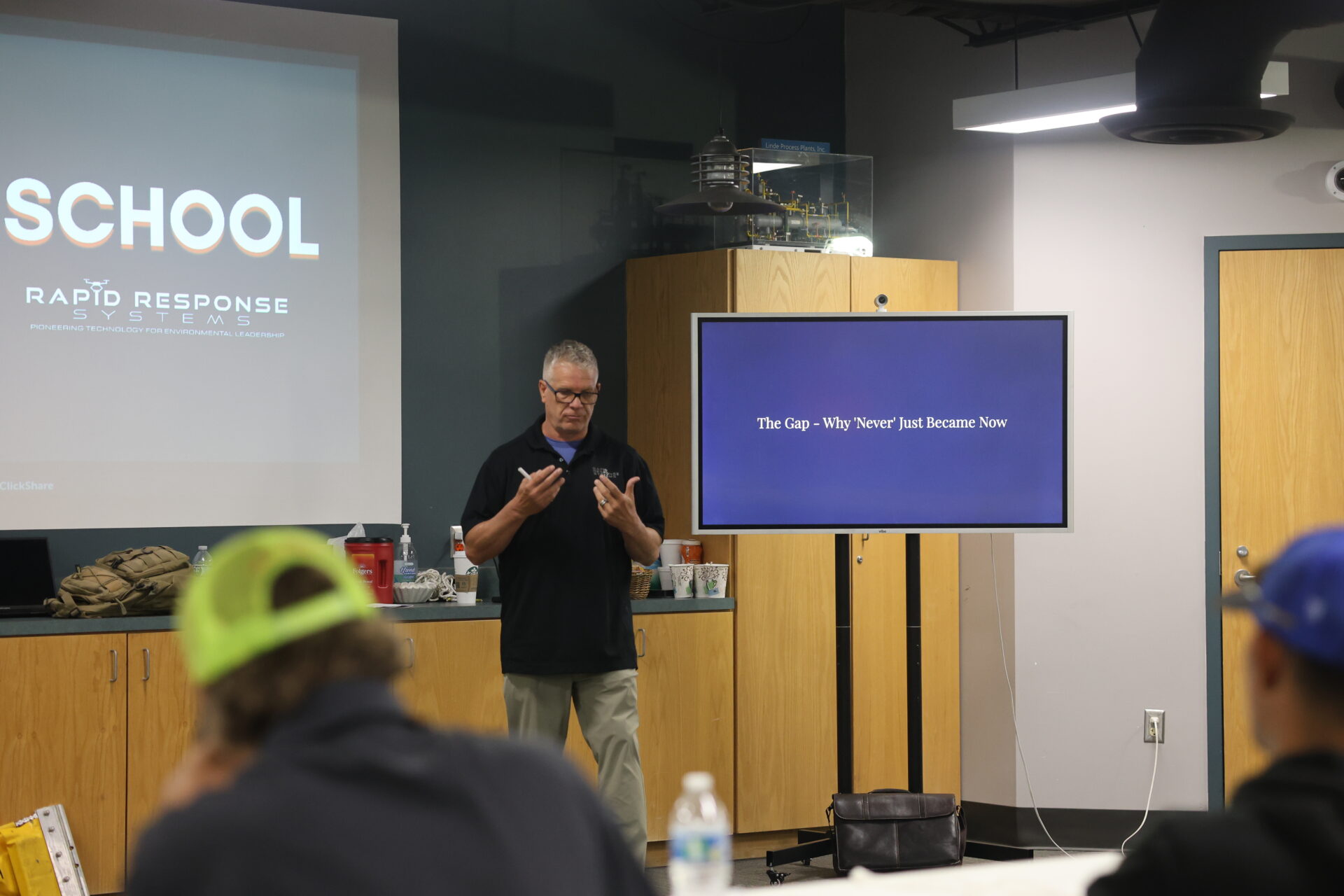
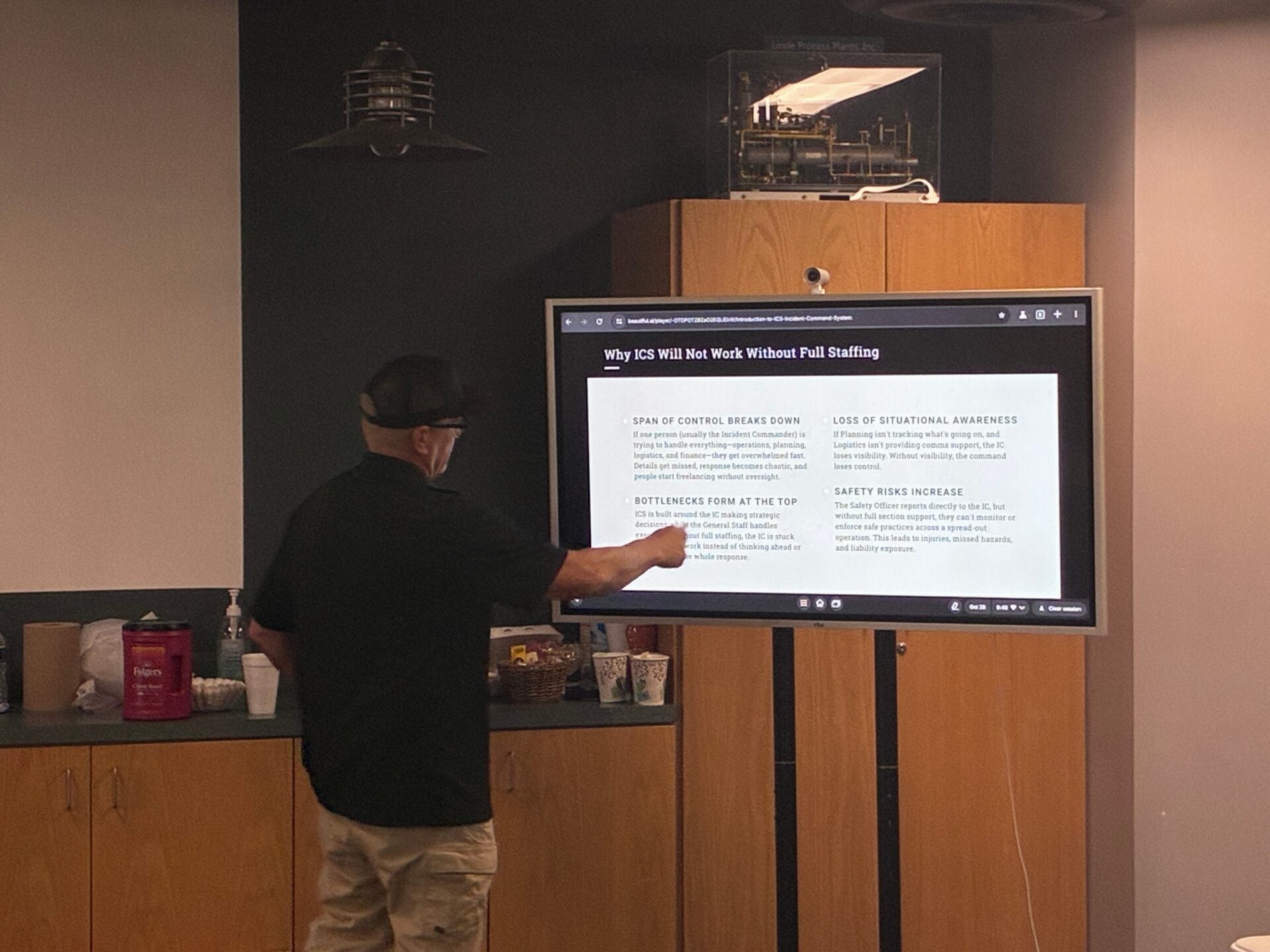
The session also covered the basics of the Incident Command System (ICS) and how it helps organize a successful response. Students learned how the different sections, Operations, Planning, and Logistics, work together to create a coordinated effort. By combining ICS principles with the use of digital tools, participants saw how technology and structure come together to improve response speed, accuracy, and teamwork. This knowledge is crucial for ensuring that all team members understand their responsibilities and can operate effectively in situations when time is of the essence.
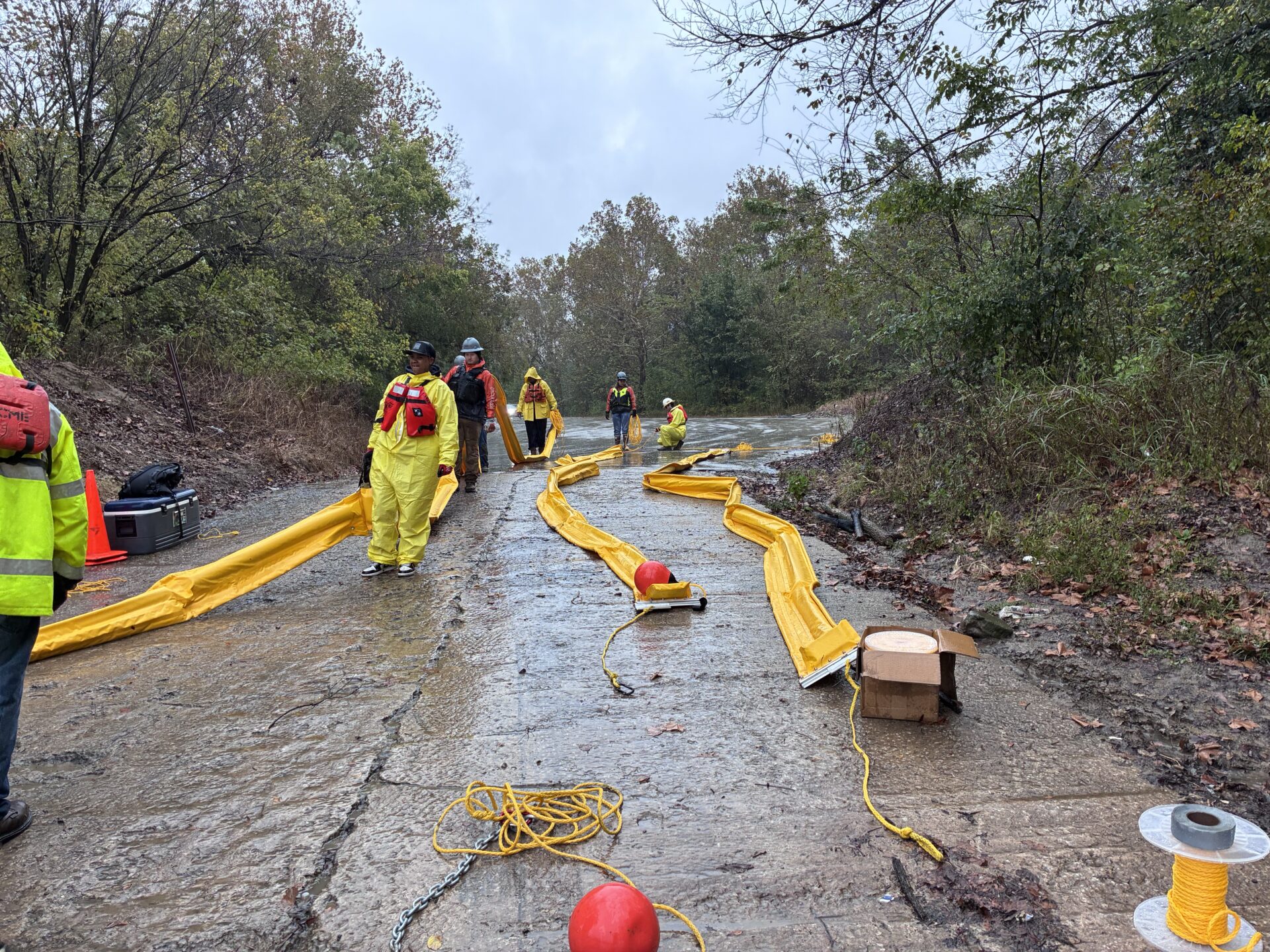
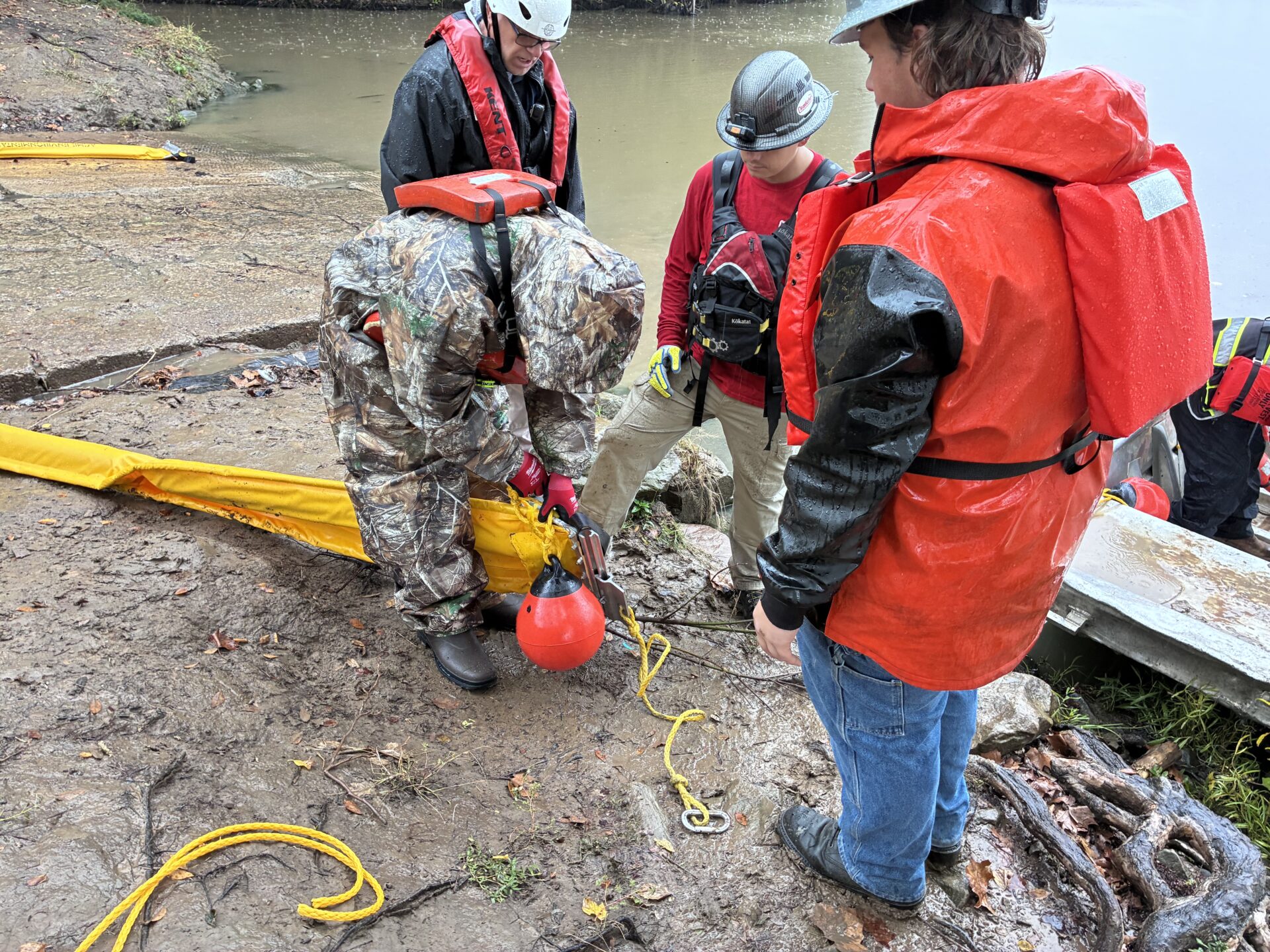
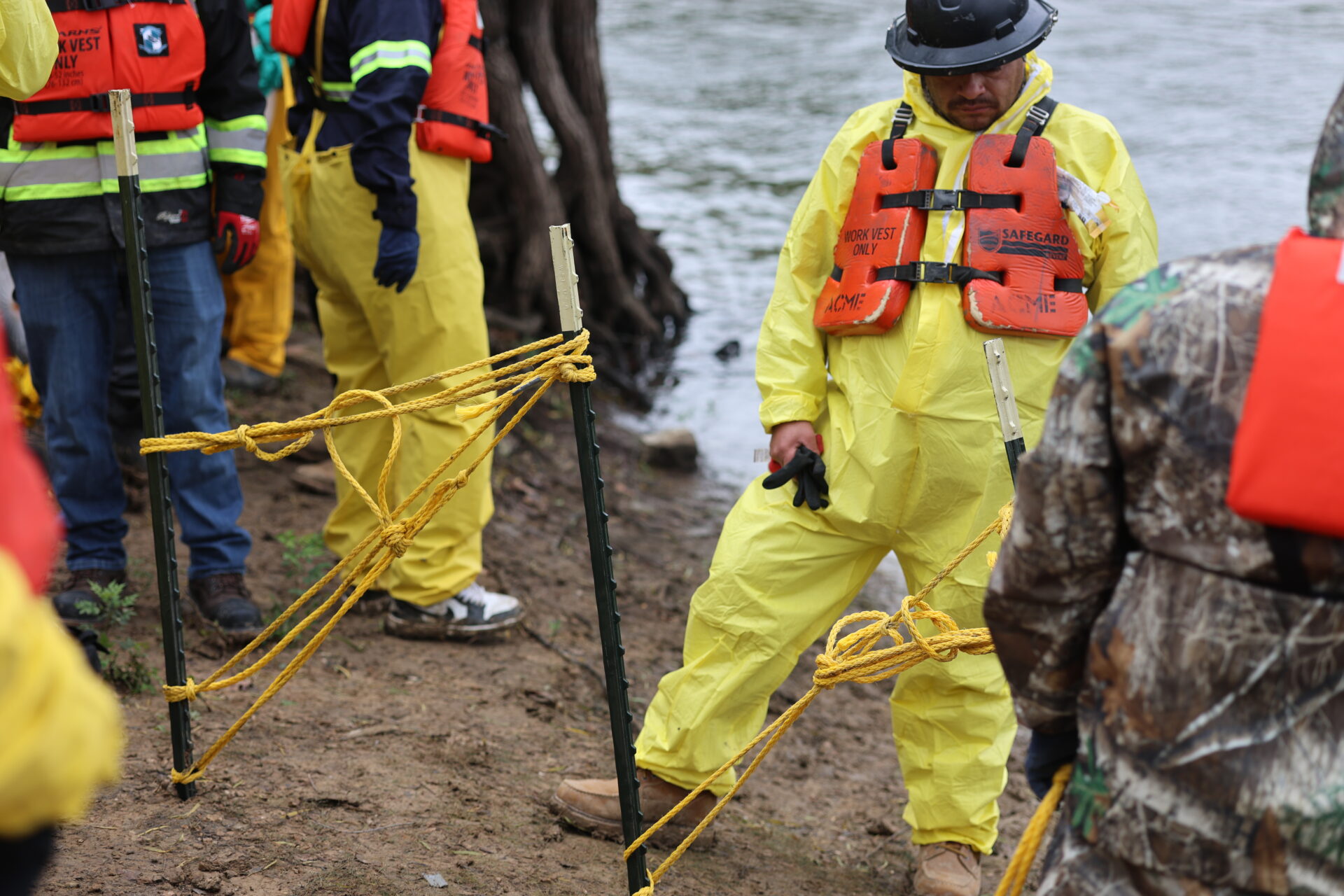
The afternoon session began with students learning shoreline anchoring techniques before moving into deeper water applications. They practiced how to properly anchor a containment boom if it were to be deployed in a cascading pattern in moving water, a method that highlights how to secure the boom effectively for a difficult deployment, so it remains stable and resists being carried away by the current.
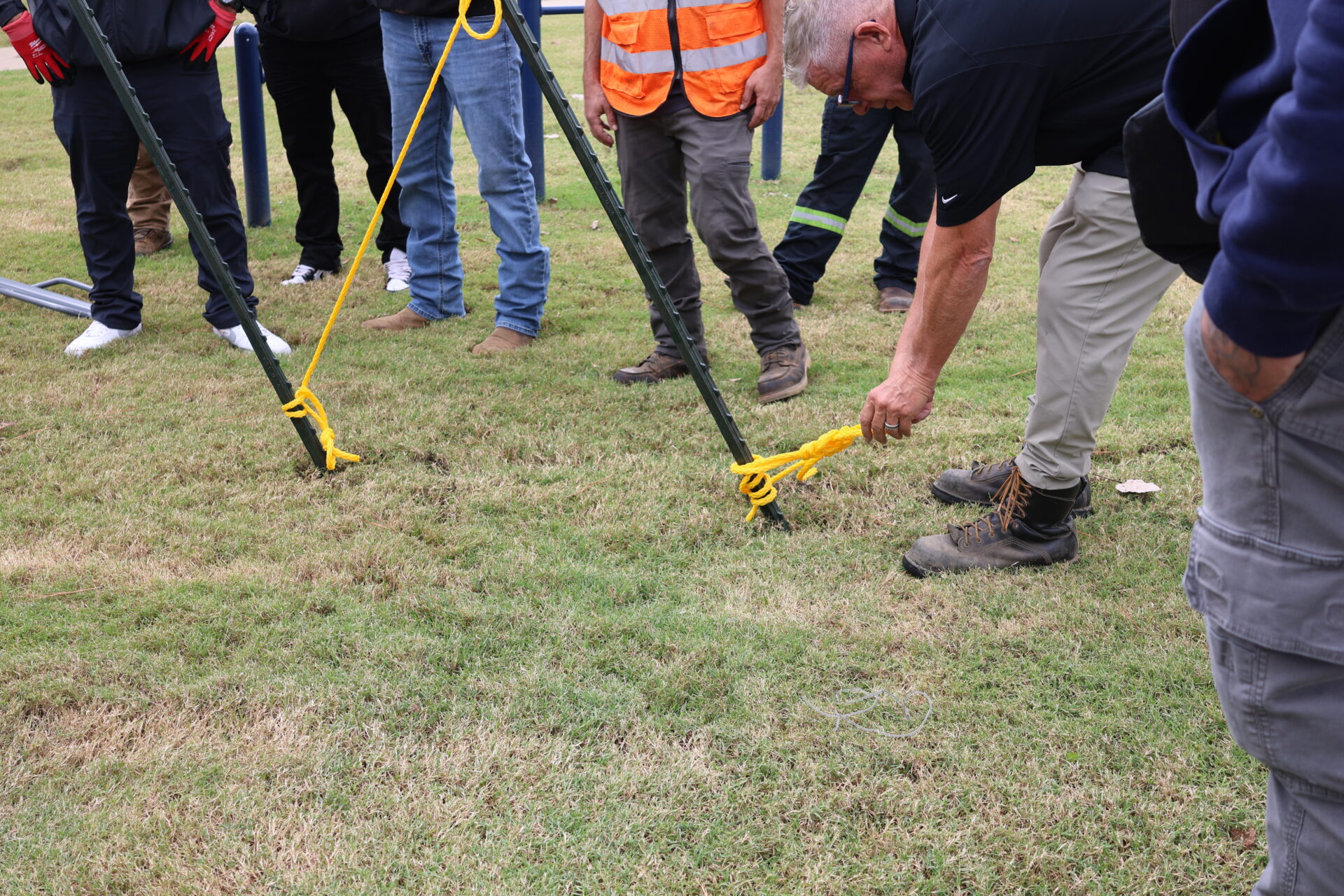
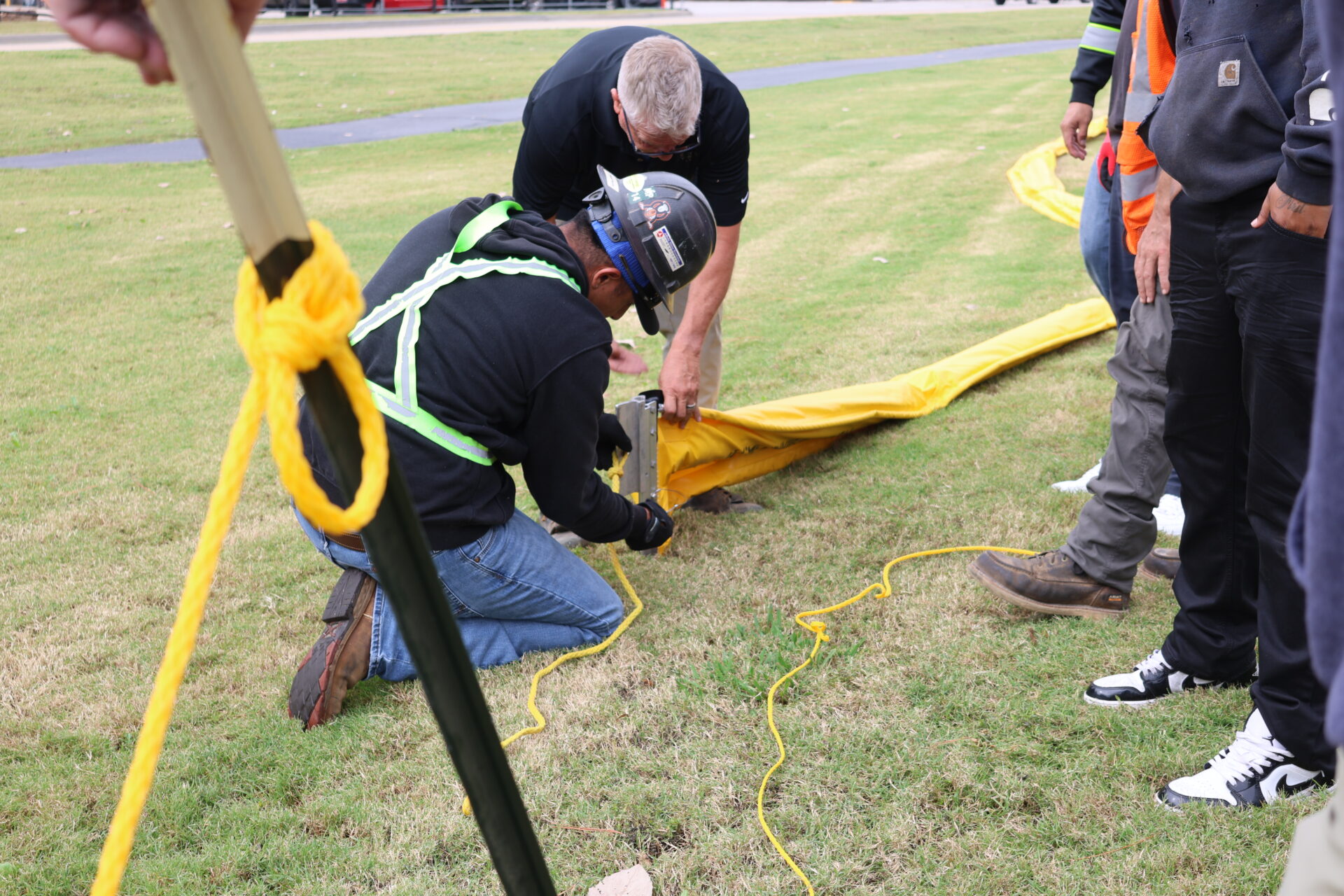
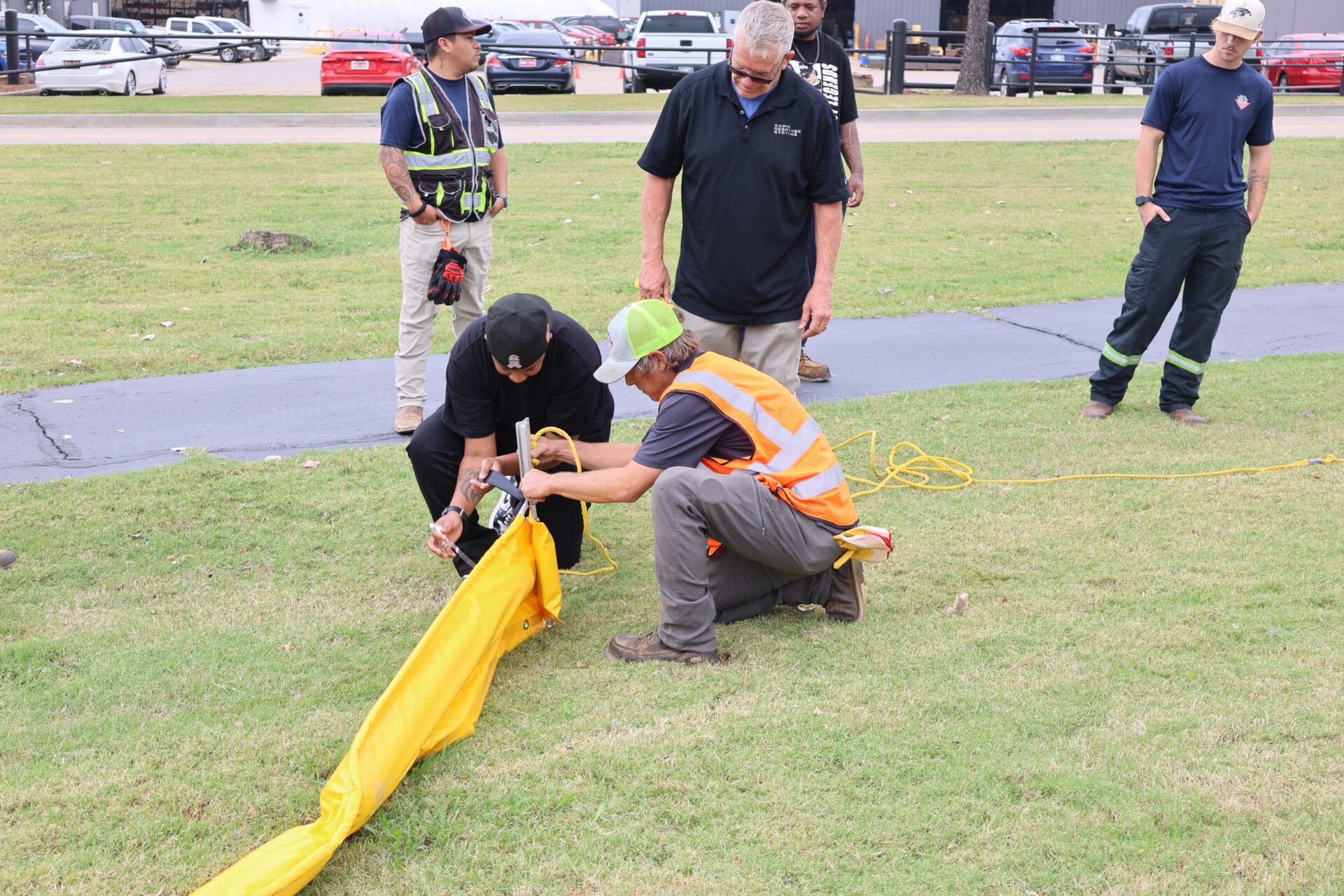
Afterward, training continued at the Tulsa Port of Catoosa, where participants focused on anchoring in calm but deeper water conditions. Teams worked through each step of the process, from selecting the right anchor and rope length to setting anchors for a strong, balanced hold. The exercise reinforced how accurate placement and setup can impact overall effectiveness in different environments. This hands-on session allowed students to apply what they learned in the classroom while building skills in anchor handling, line management, and teamwork for safe, efficient operations.
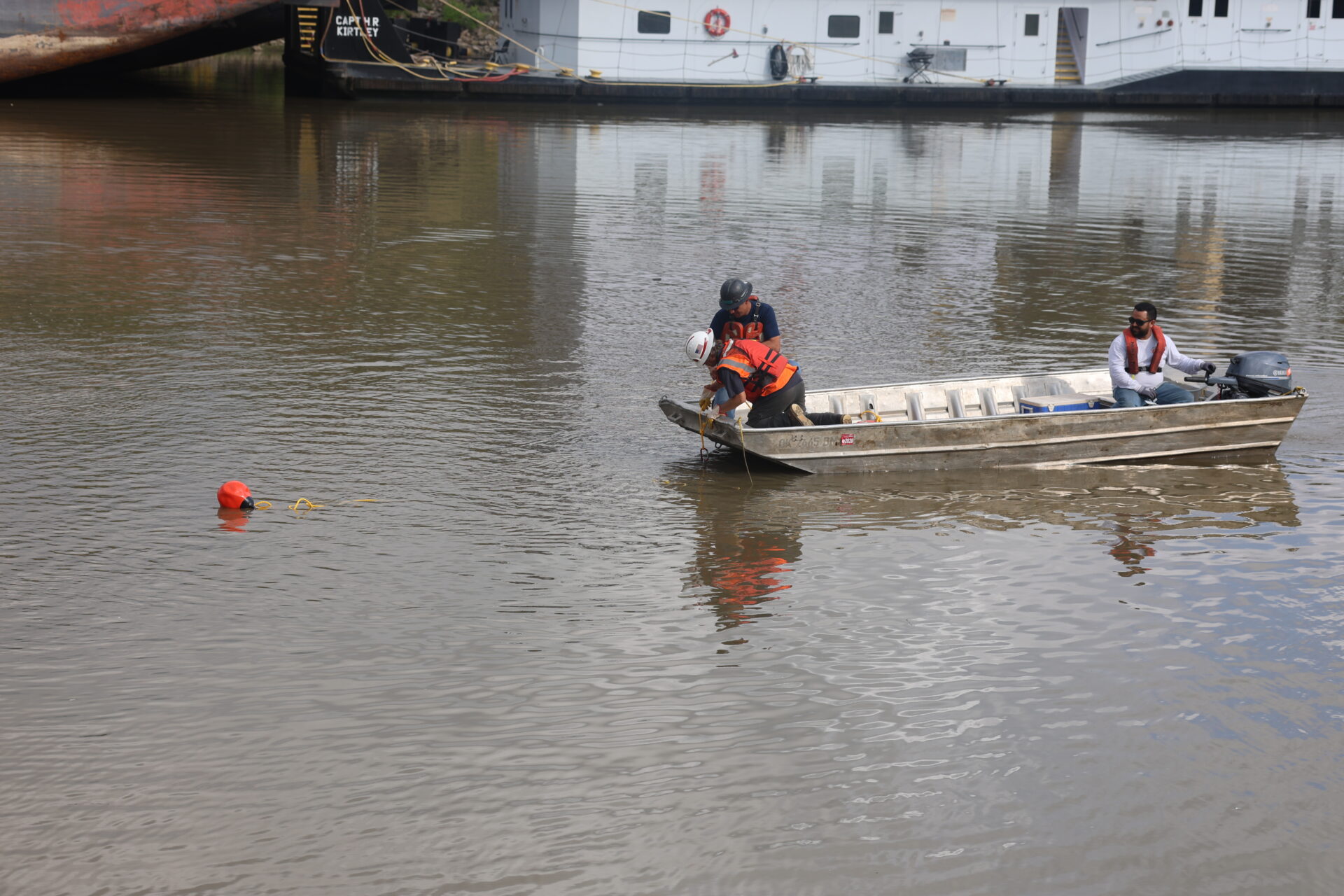
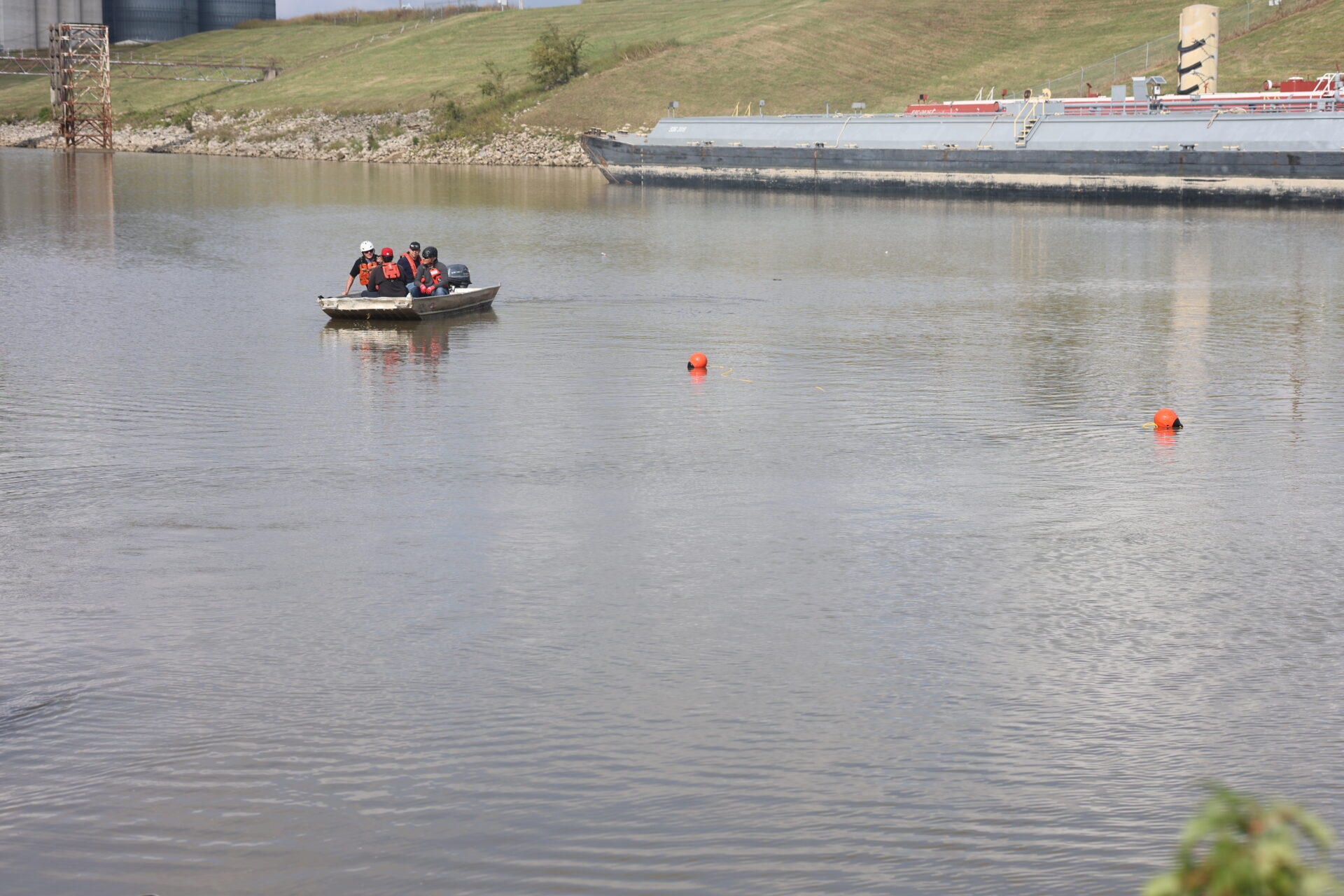
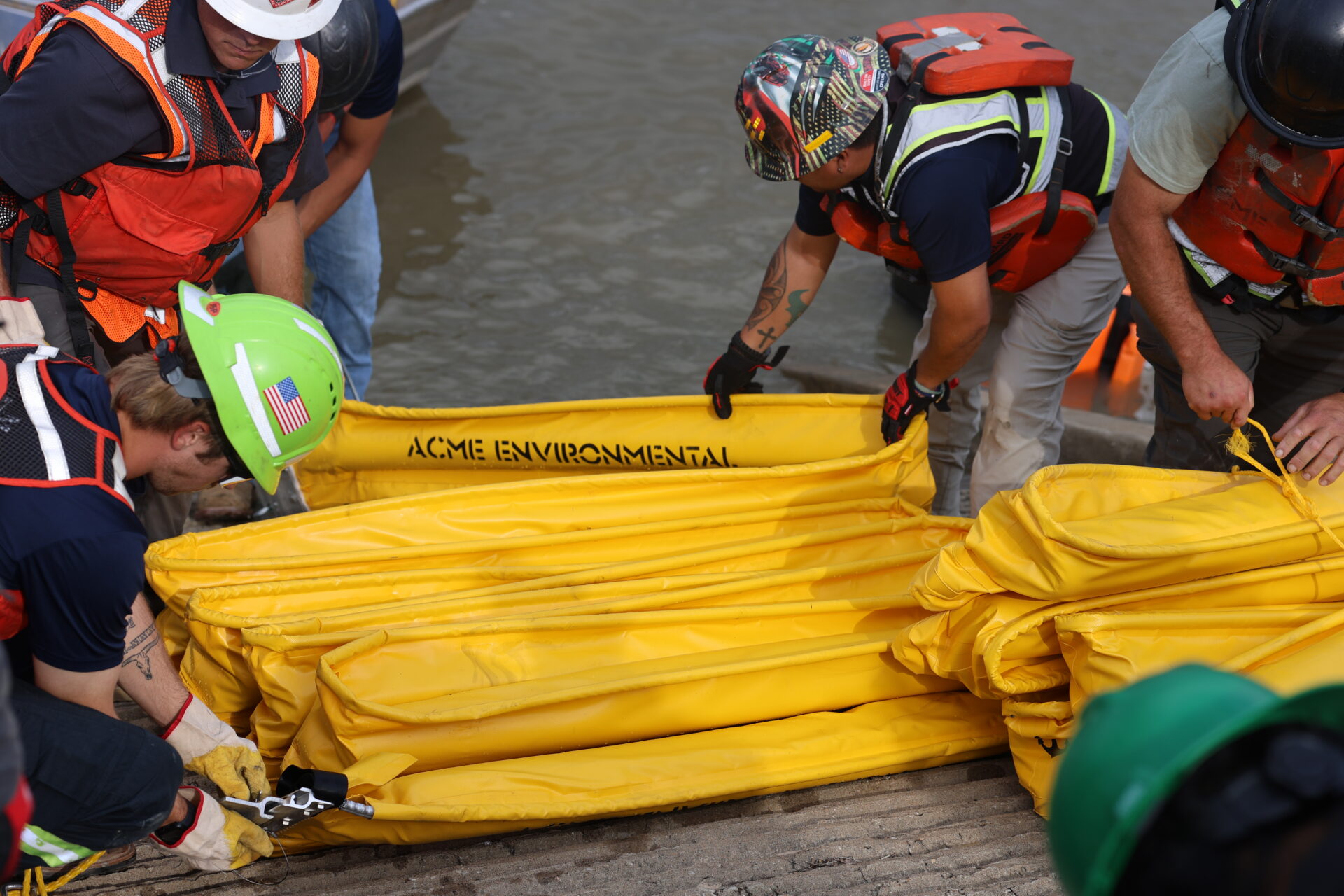
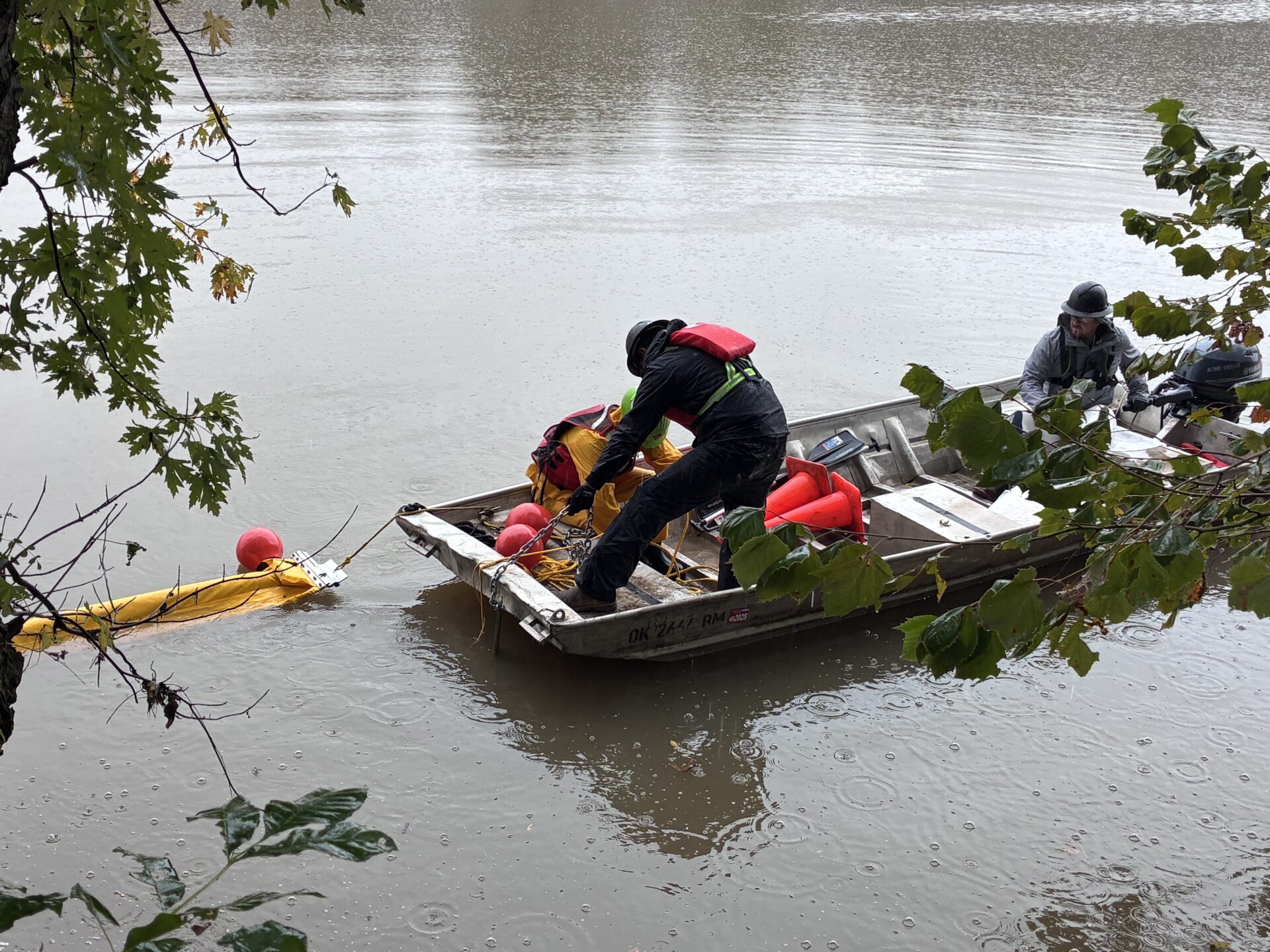
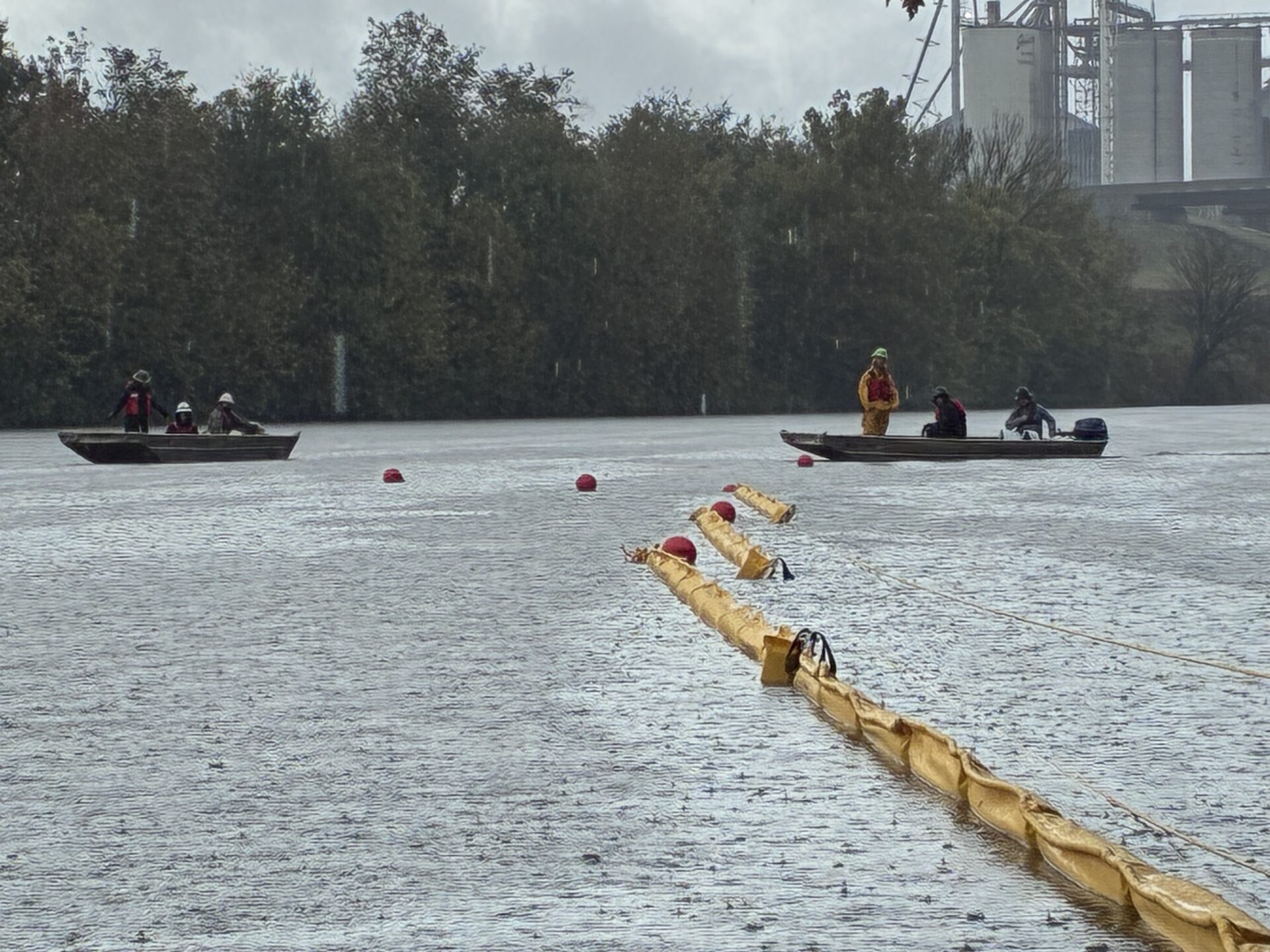
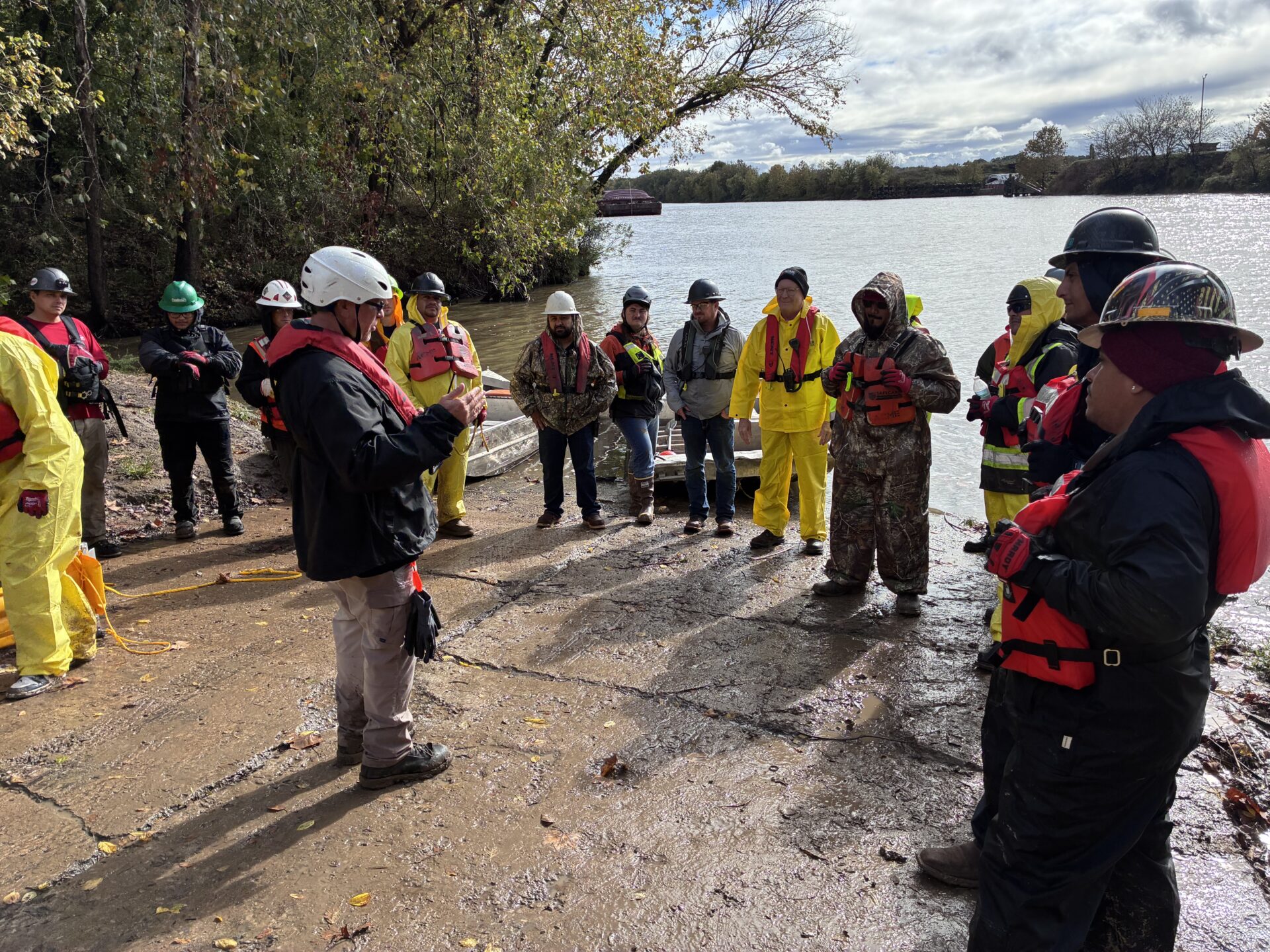
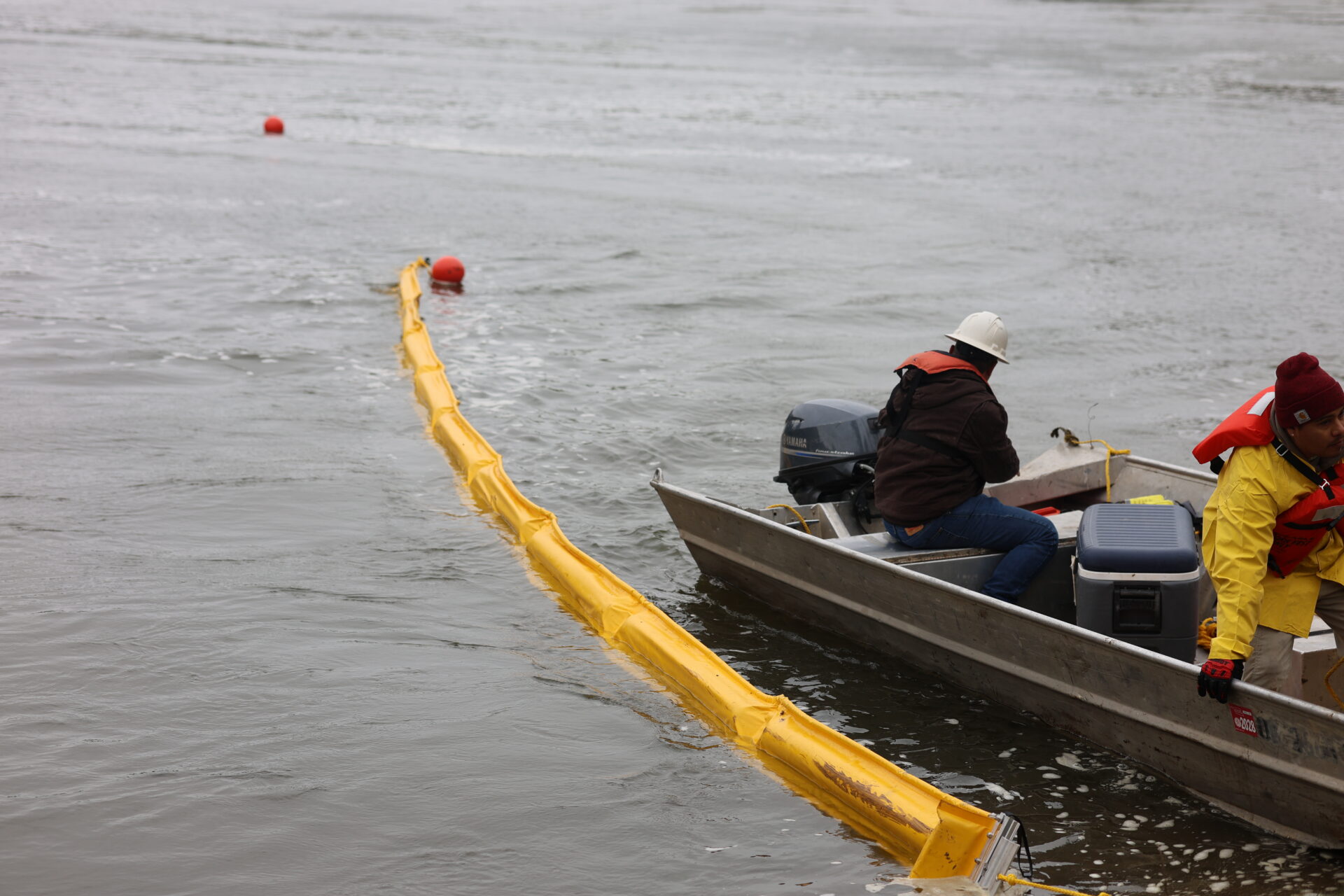
Training ramped up on Day Two at Port 33 along the Verdigris River, where participants took on the implementation of the cascading boom deployment method in moving water. This method is a vital skill for containing oil in fast-moving water, requiring careful coordination, accuracy, and teamwork to ensure the containment boom holds its position against currents.
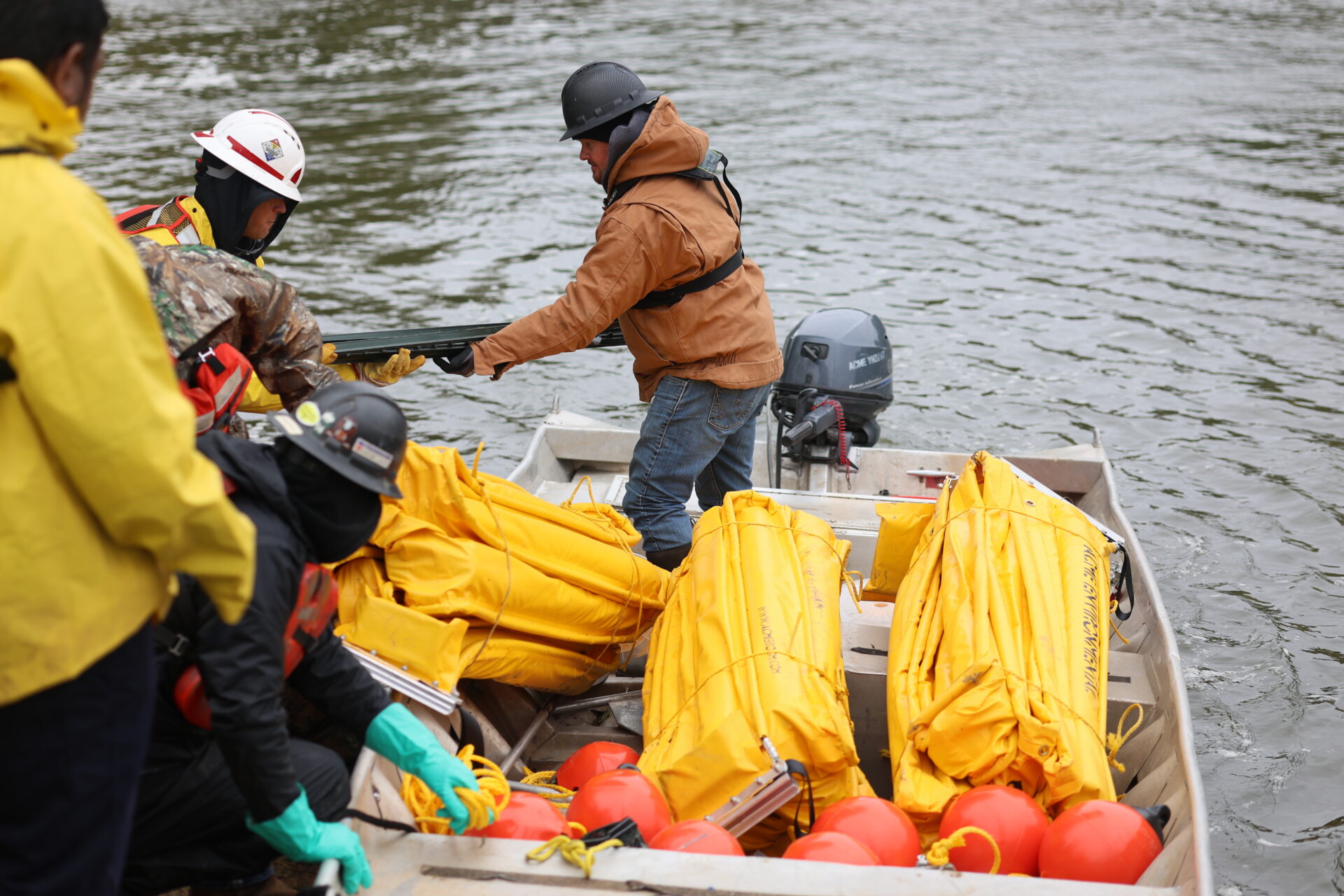
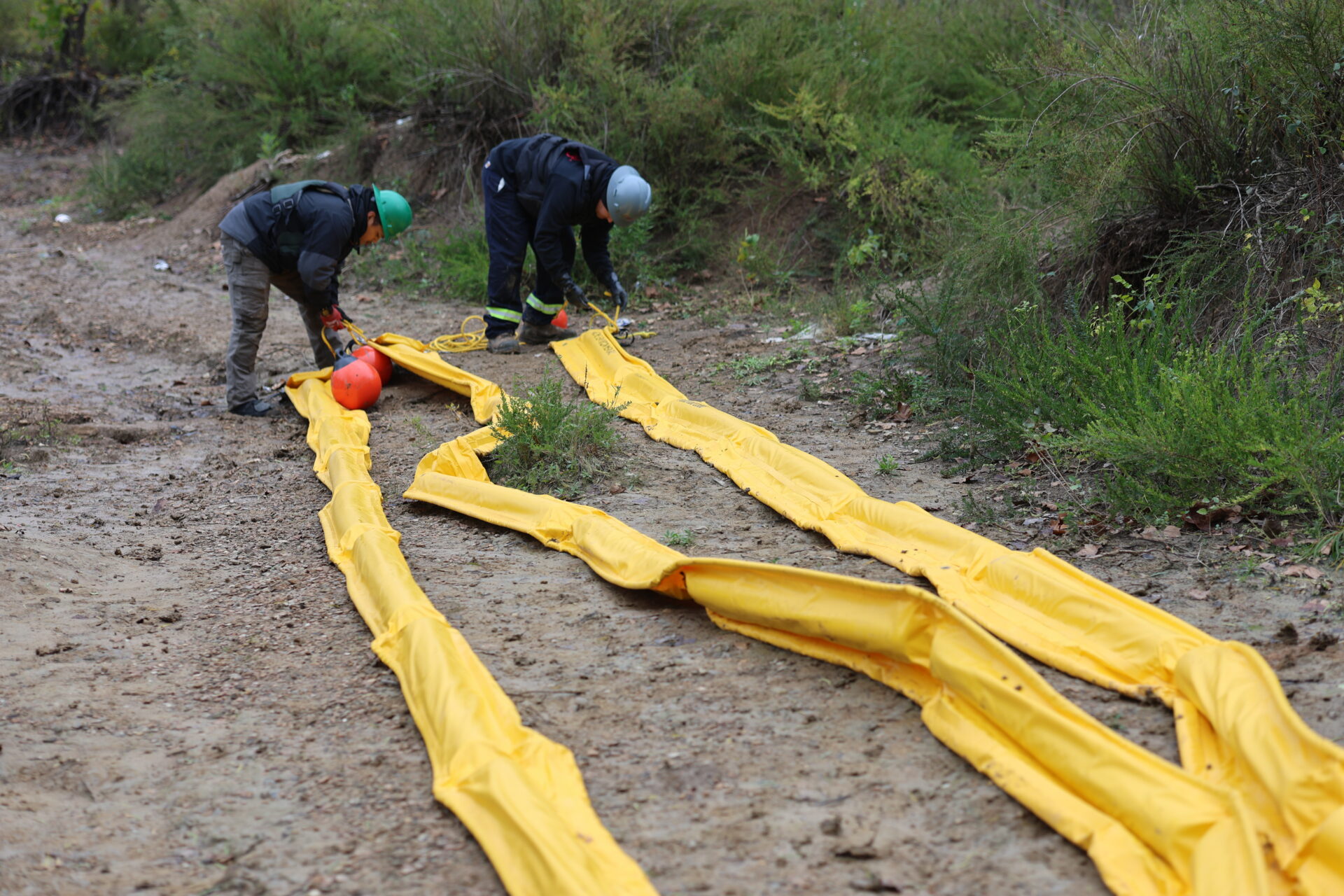
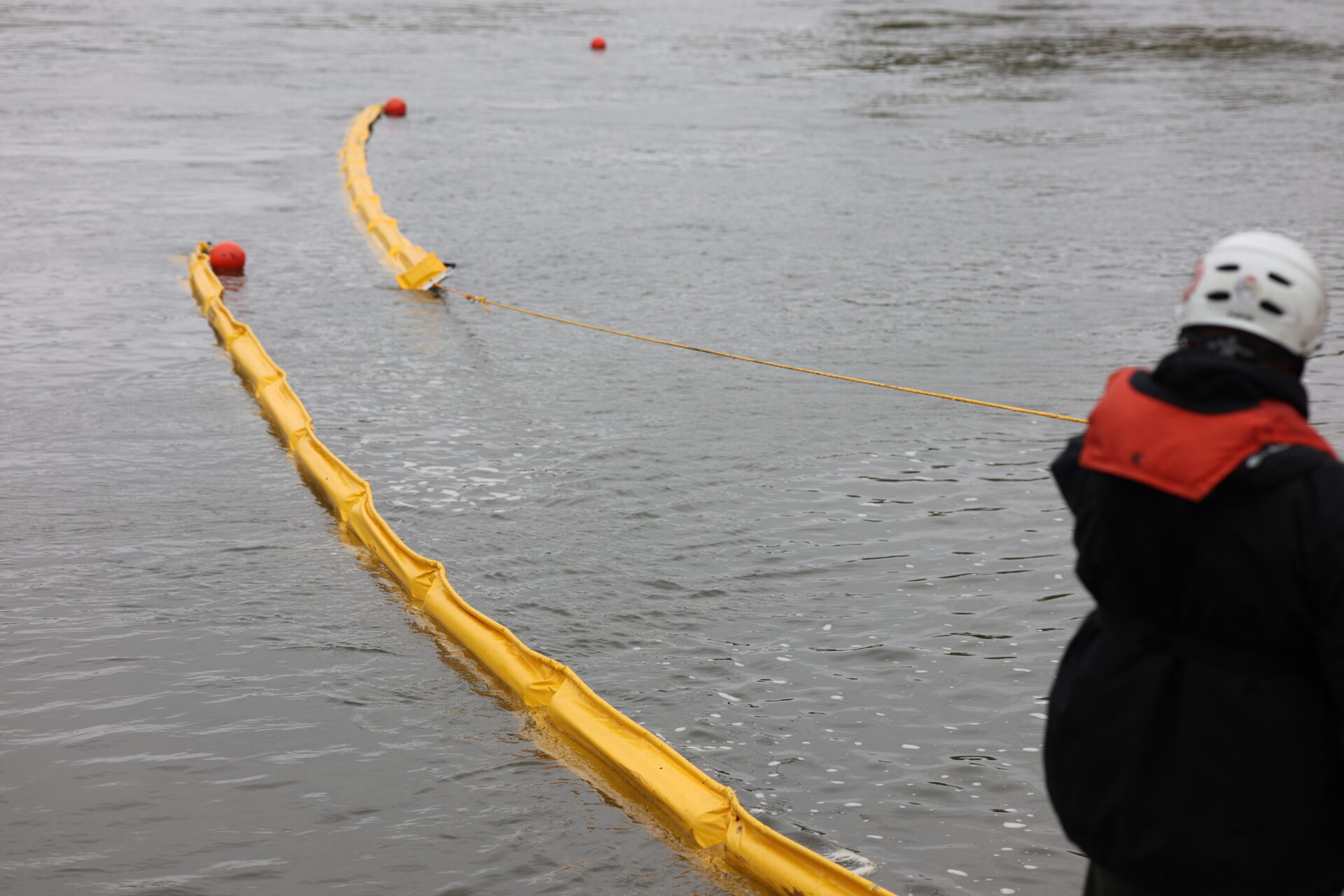
Students began the day learning proper rigging techniques, including how to overlay boom sections, attach buoys, determine how much rope is needed for each boom section, and select the right tools for a smooth and secure deployment. These skills are critical for creating a containment line that can withstand changing water conditions. Once on the water, teams worked together to deploy boom sections with 5-foot overlaps, a technique designed to strengthen a containment system’s integrity and prevent any gaps where oil could escape. Each movement required close attention to balance, current strength, and flow direction, turning classroom knowledge into hands-on, real-world application.
Despite the swift currents, steady rain, and physical demands of the day, participants demonstrated impressive adaptability, endurance, and teamwork. Their performance highlighted the real-world challenges of river operations and reinforced how collaboration and situational awareness are key to maintaining a secure and effective containment system during a spill response.
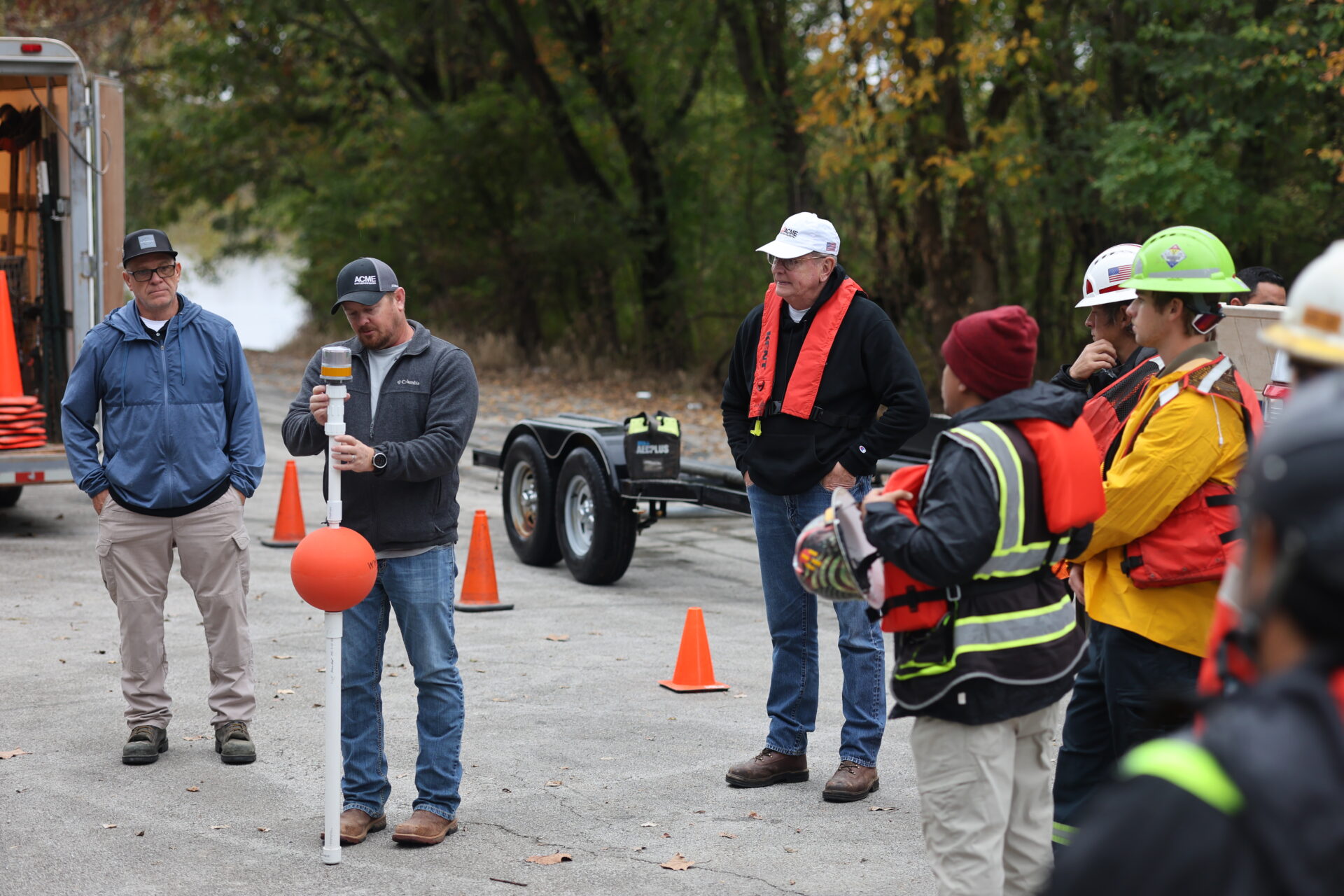
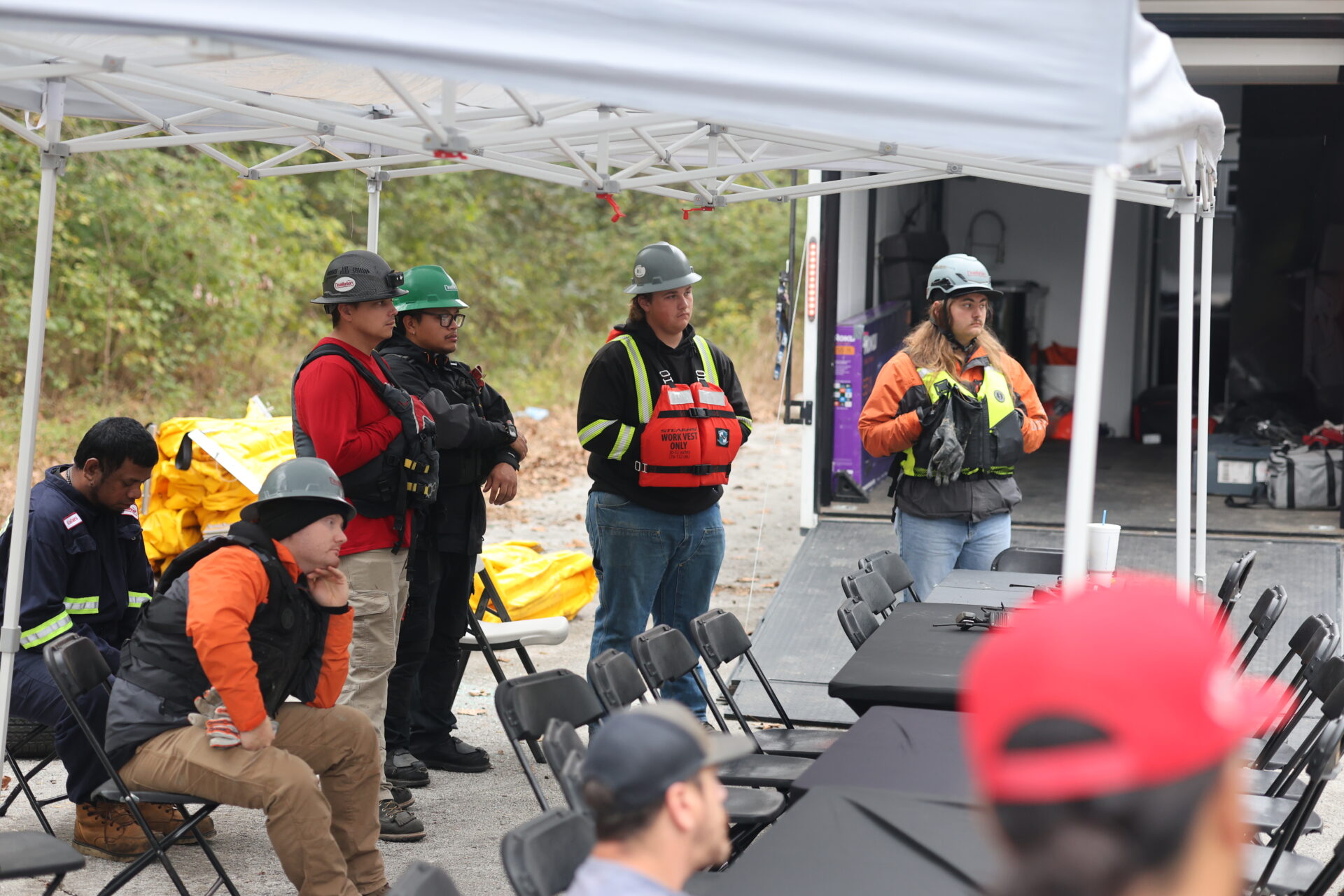
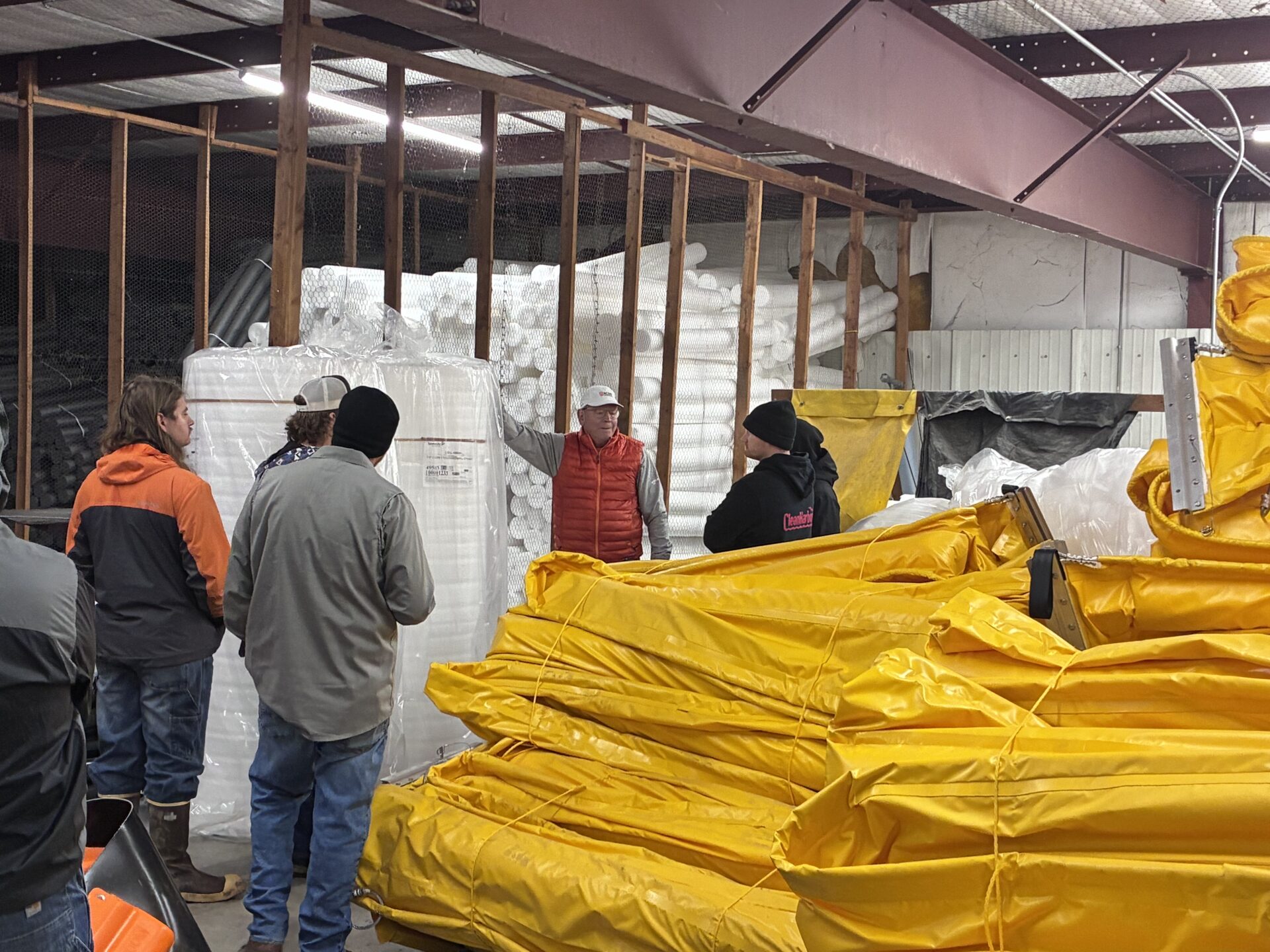
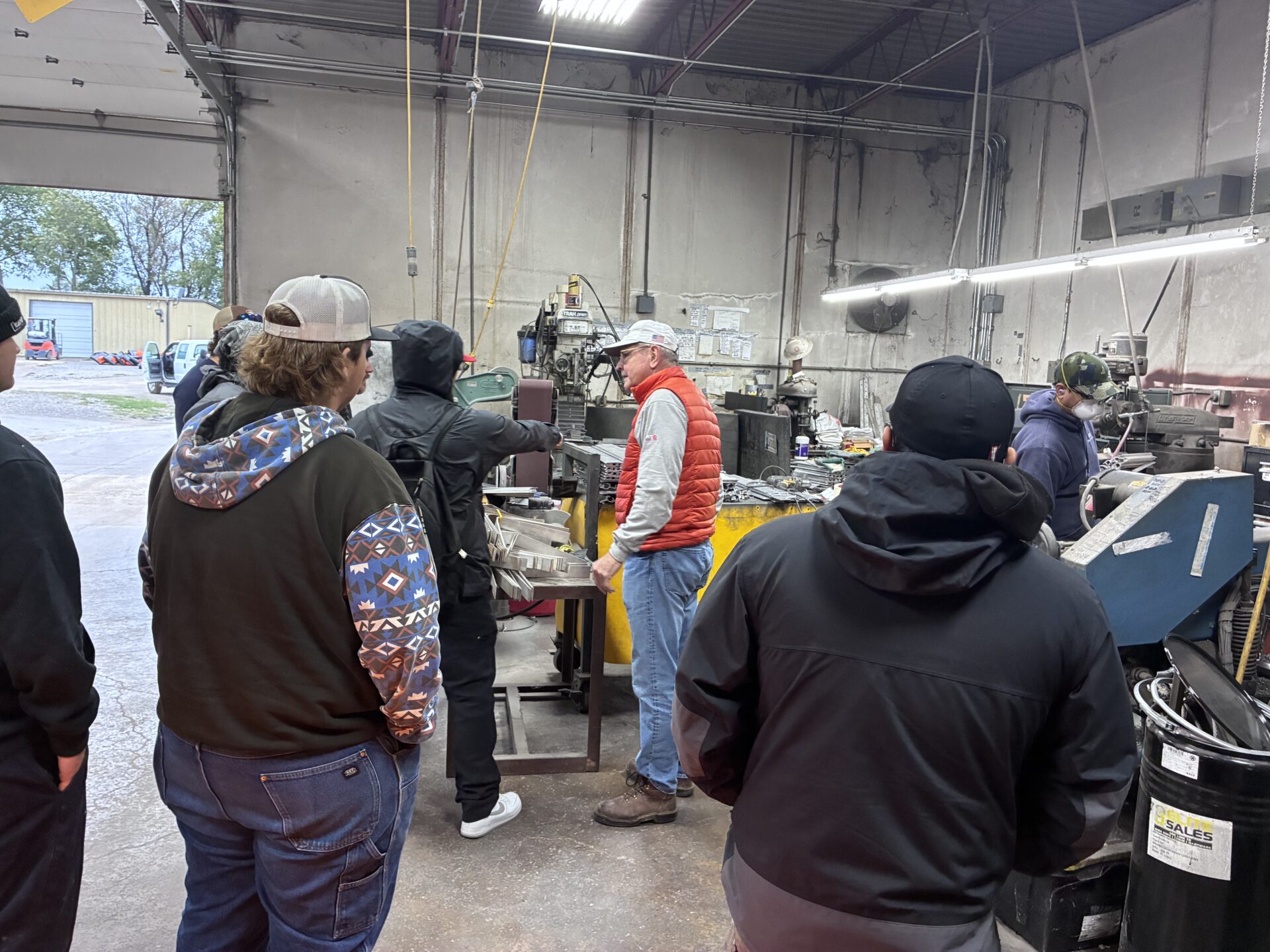
Day Three began with a morning briefing and a tour of ACME Environmental’s headquarters, giving students a firsthand look at the operations, logistics, and coordination that drive ACME’s nationwide spill response efforts. The tour highlighted how ACME’s facilities, equipment, and teams come together to support rapid deployment anywhere in the country.
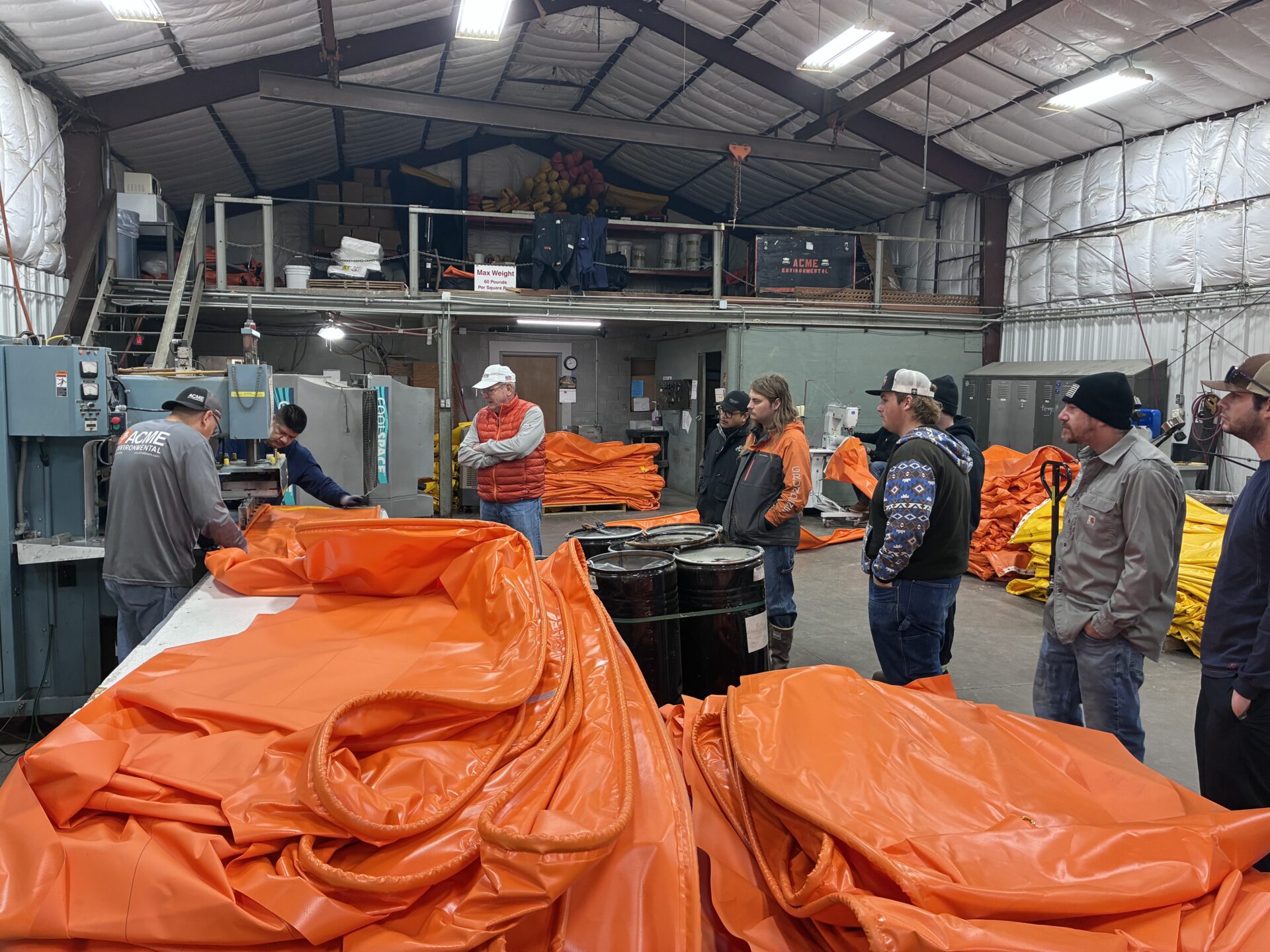
In the afternoon, training shifted to the field for a fast-water deployment exercise near a dam releasing copious amounts of water, where participants faced the challenge of strong, unpredictable currents. This exercise pushed teams to apply what they had learned throughout the week, focusing on strategy, safety, and precision under pressure. Responders practiced real-world coordination, ensuring every section of the boom was placed correctly and securely, reinforcing the importance of timing and teamwork in maintaining effective containment in moving water.
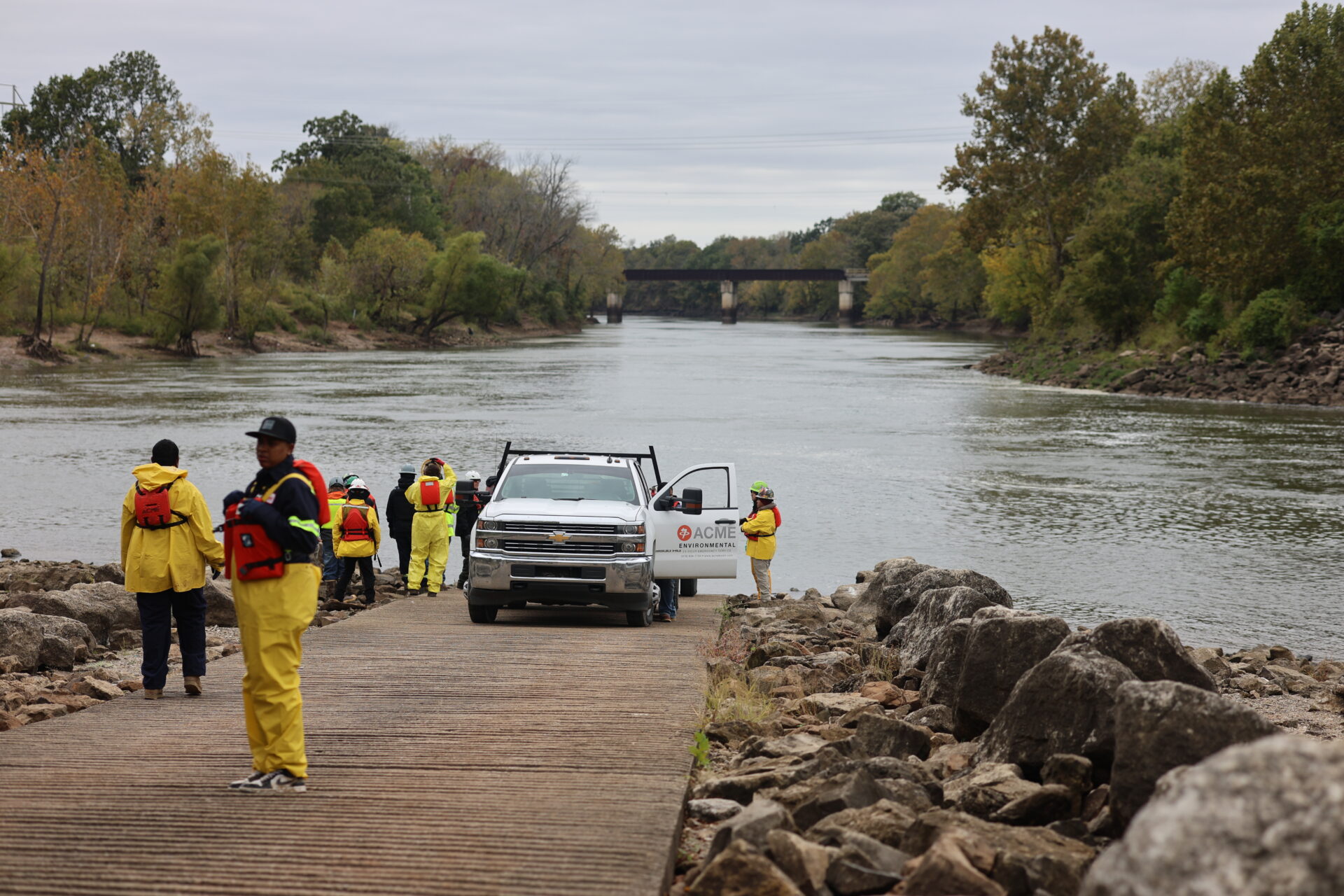
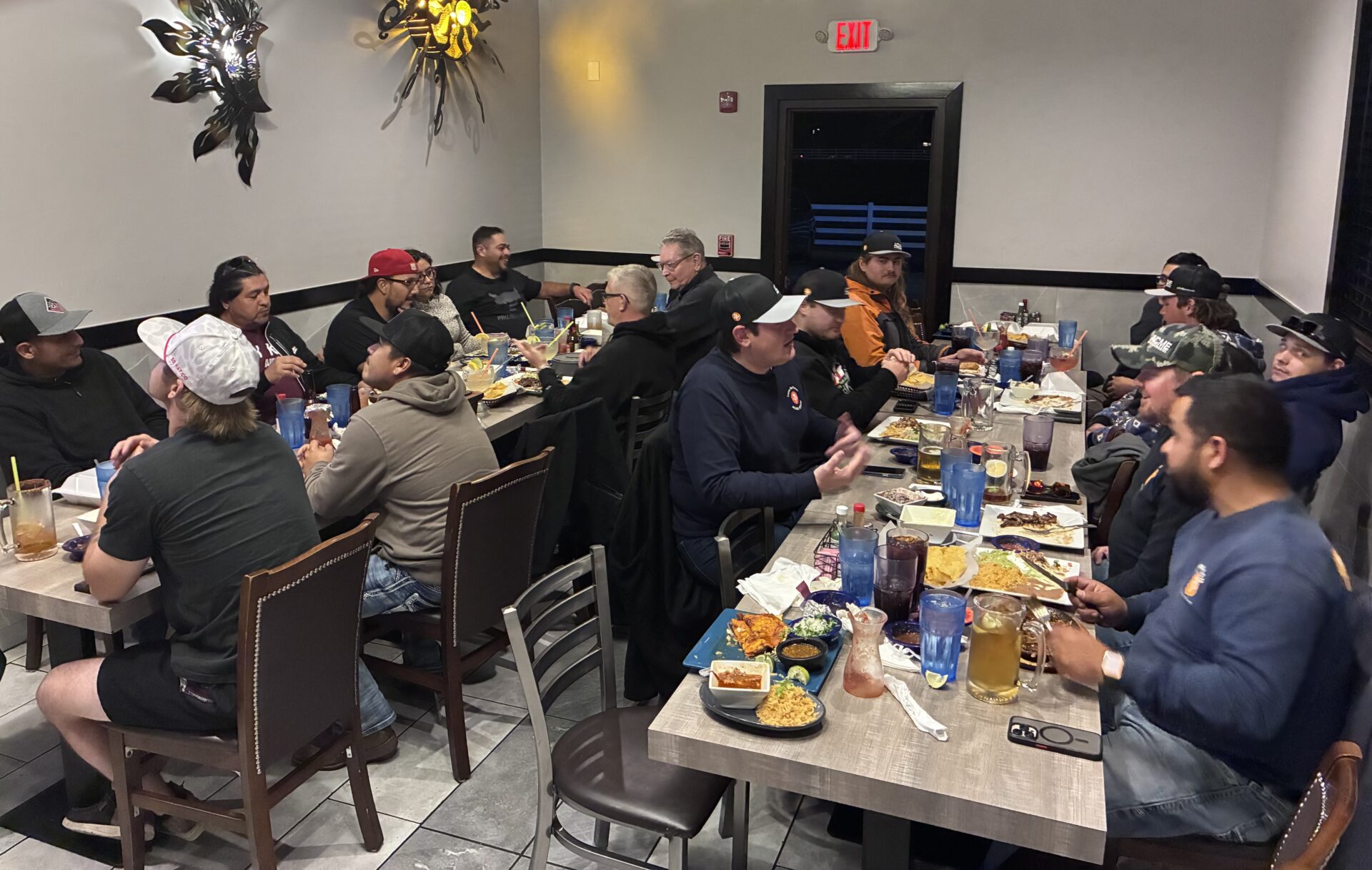
The day ended on a high note with a team dinner, offering participants a chance to relax, reflect, and share their experiences from the past three days. The evening fostered camaraderie and connection, giving everyone an opportunity to celebrate their progress, discuss lessons learned, and strengthen the bonds that make effective response teams possible.
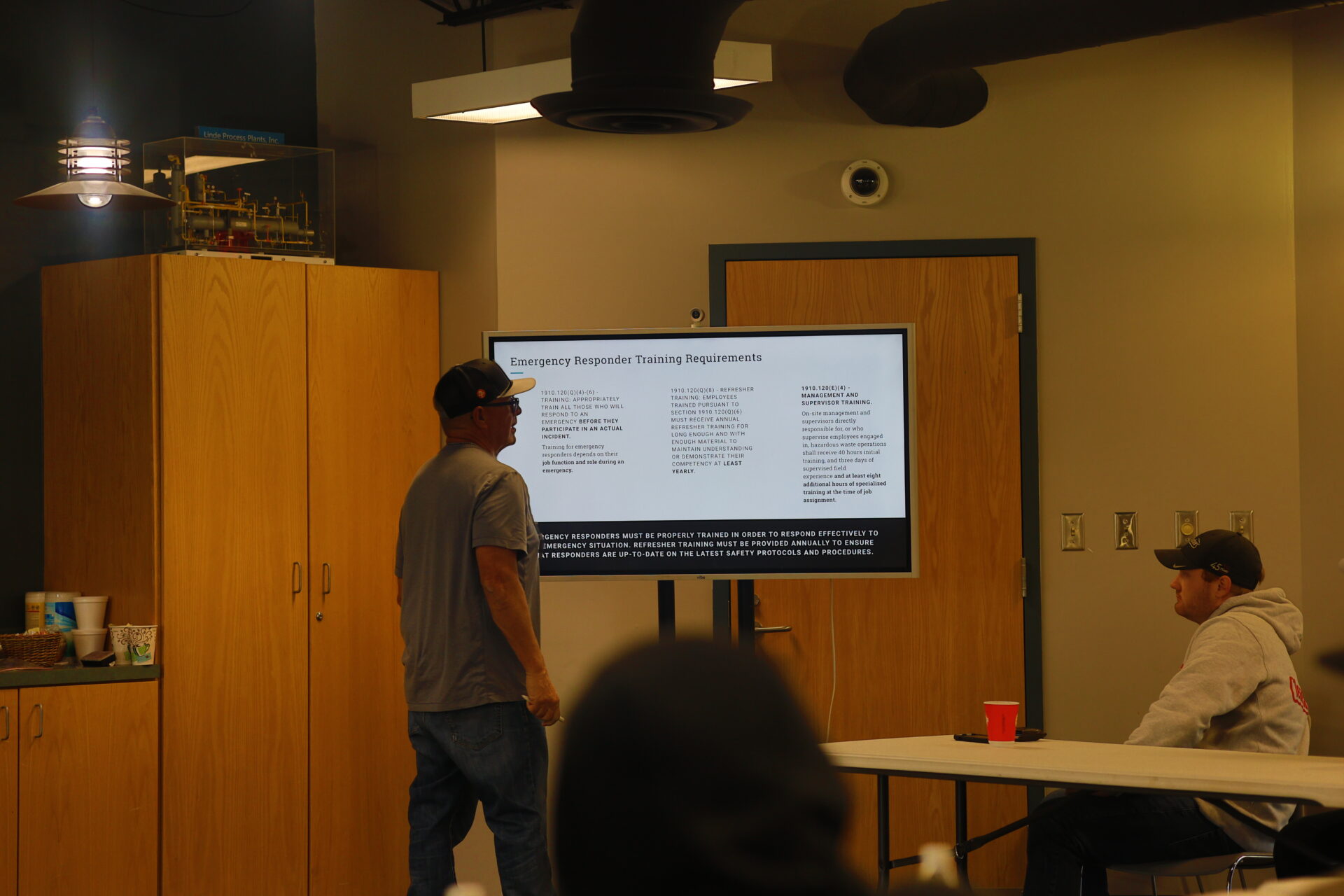
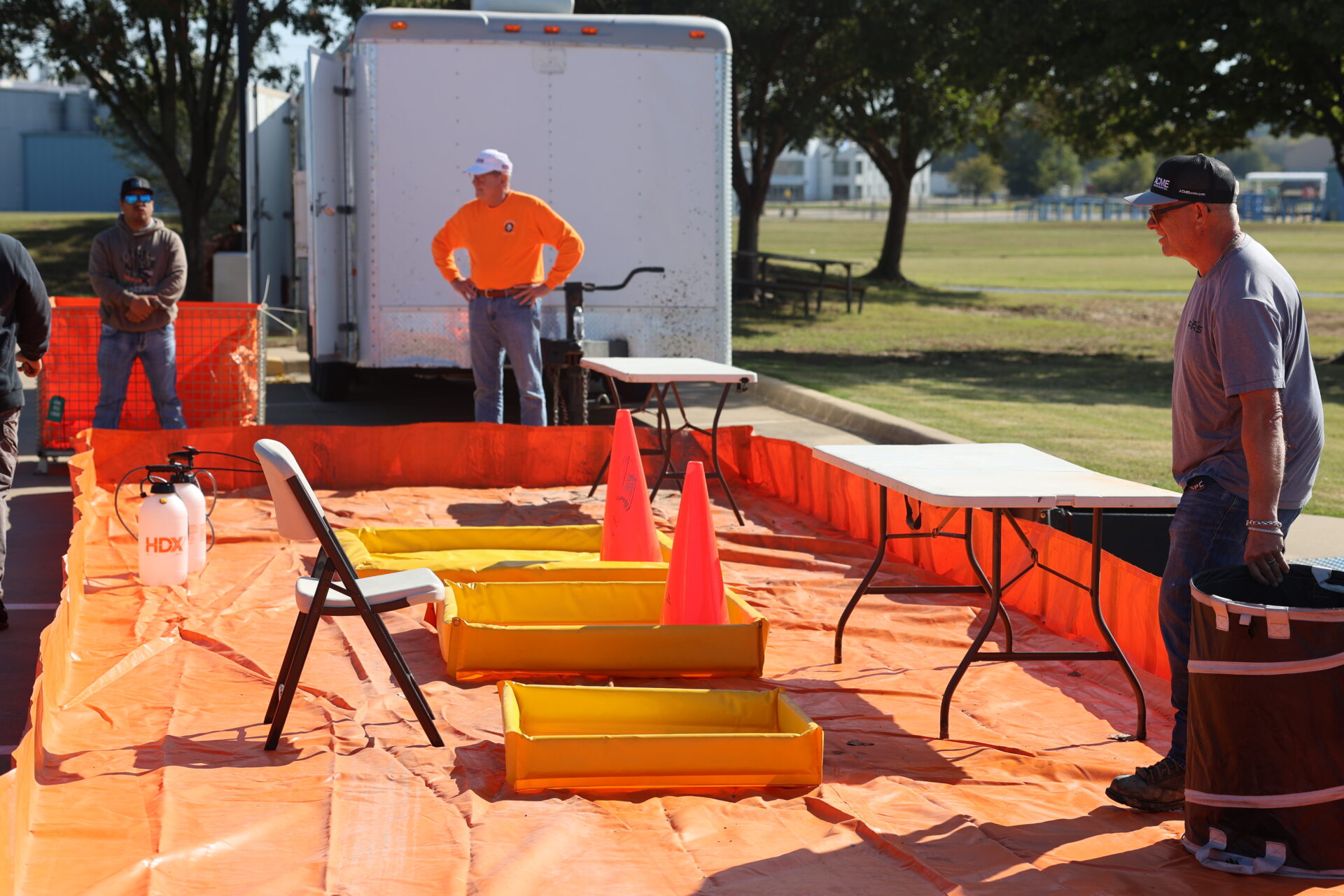
The final day of the training program focused on strengthening knowledge and skills in safety and compliance, featuring an 8-hour HAZWOPER refresher combined with hands-on decontamination training. This session served as the climax of the week’s lessons, reinforcing that responder safety is the foundation of every successful spill response.
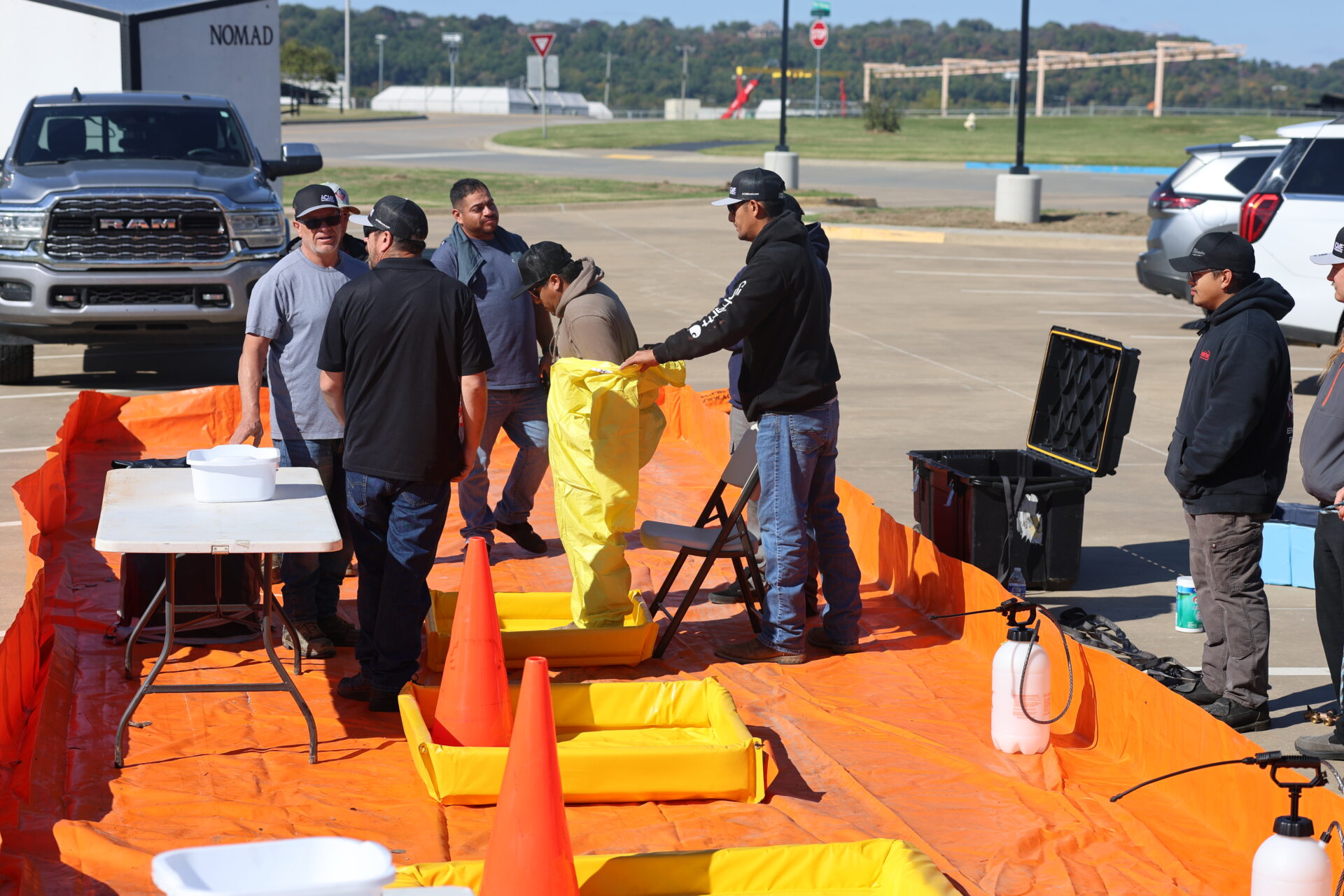
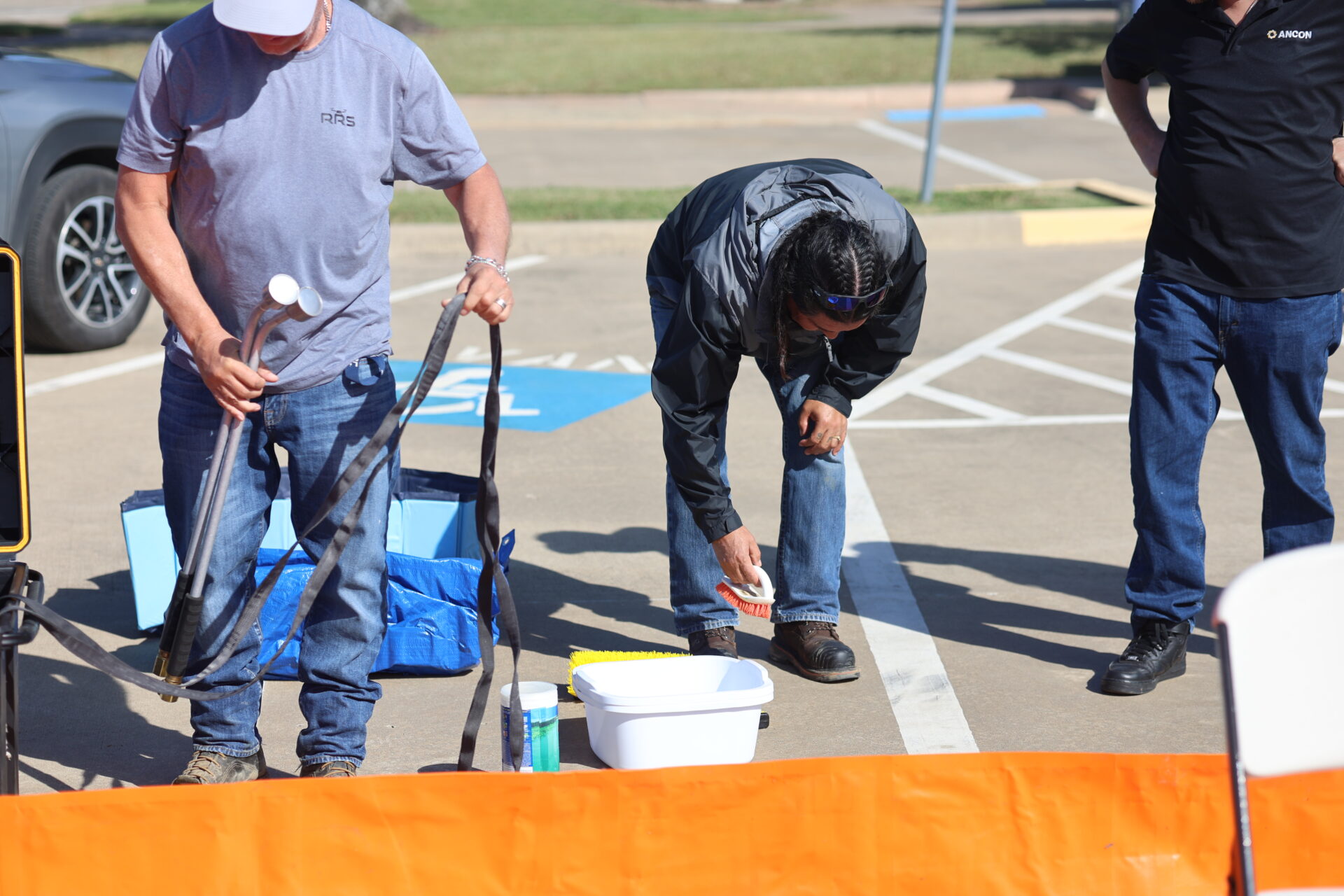
Throughout the day, students took a deep dive into the principles and steps required to design and manage a fully functional decontamination site. They learned how to organize and control operations by establishing clean, transition, and dirty zones, a critical process for preventing the spread of contamination during hazardous materials response efforts.
With guidance from experienced instructors, participants practiced both personnel and equipment decontamination procedures, gaining firsthand experience in minimizing cross-contamination and maintaining control in challenging field conditions. The training also emphasized the proper use of personal protective equipment (PPE), ensuring students understood how to protect themselves while staying compliant with safety and regulatory standards.
The day concluded with an important takeaway that resonates across all emergency response work: protecting responders is just as vital as containing the spill itself. By placing safety at the center of operations, participants left with a clear understanding of how disciplined planning, proper decontamination techniques, and teamwork ensure that every response protects both people and the environment.
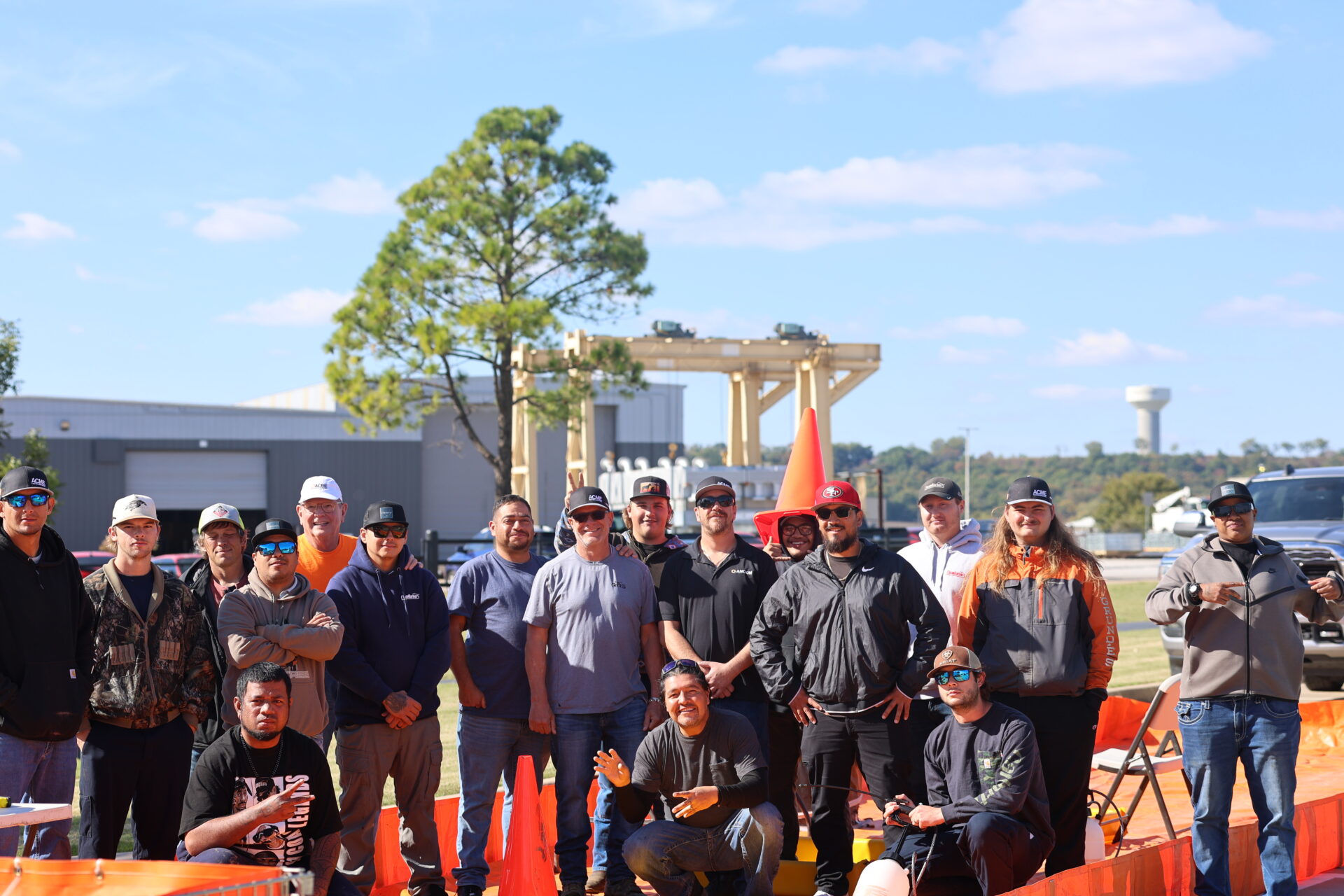
ACME 2025 Fall Boom School concluded with another successful class of responders equipped with the skills, confidence, and readiness to face real-world emergencies.
Each exercise, from digital tools to shoreline containment and decontamination, built a stronger foundation for safer, faster, and more effective spill response operations.
Join ACME Environmental and Rapid Response Systems for our next Boom School to gain practical experience, hands-on instruction, and the confidence to lead when it matters most.

Posted on: September 11, 2026
What Are Vacuum Truck Services? Some people who need vacuum truck services may never have considered it or may not...
Read More
Posted on: September 1, 2026
Now What? When cleanup crews leave the site and the last bit of impacted soil is “removed”, it’s tempting to...
Read More
Posted on: August 3, 2026
The Cost of Waiting Too Long When an oil or chemical spill occurs, every minute counts. What may begin as...
Read More
Posted on: June 19, 2026
Why Preparation Matters When severe weather strikes, industrial facilities face risks that extend far beyond structural damage and operational downtime....
Read More