


ACME’s Vacuum Truck Services
What Are Vacuum Truck Services? Some people who need vacuum truck services may never have considered it or may not...
Read MoreCompanies often operate under the assumption that no major oil spills equal no contamination. Unfortunately, decades of environmental case studies and spill response experience have proven the opposite: the most costly and disruptive contamination events are often the ones no one noticed happening. Slow leaks, recurring drips, and minor surface spills can quietly accumulate in silence for years before anyone realizes the extent of the issue. When contamination eventually becomes visible or is discovered during a property sale, redevelopment project, or regulatory inspection, the remediation cost can be exponentially higher than if it had been addressed before. This article explains the hidden risks, regulatory implications, and environmental factors that make proactive soil remediation and preventive measures a smart, responsible, and cost-saving strategy, even when no “big spill” has occurred.
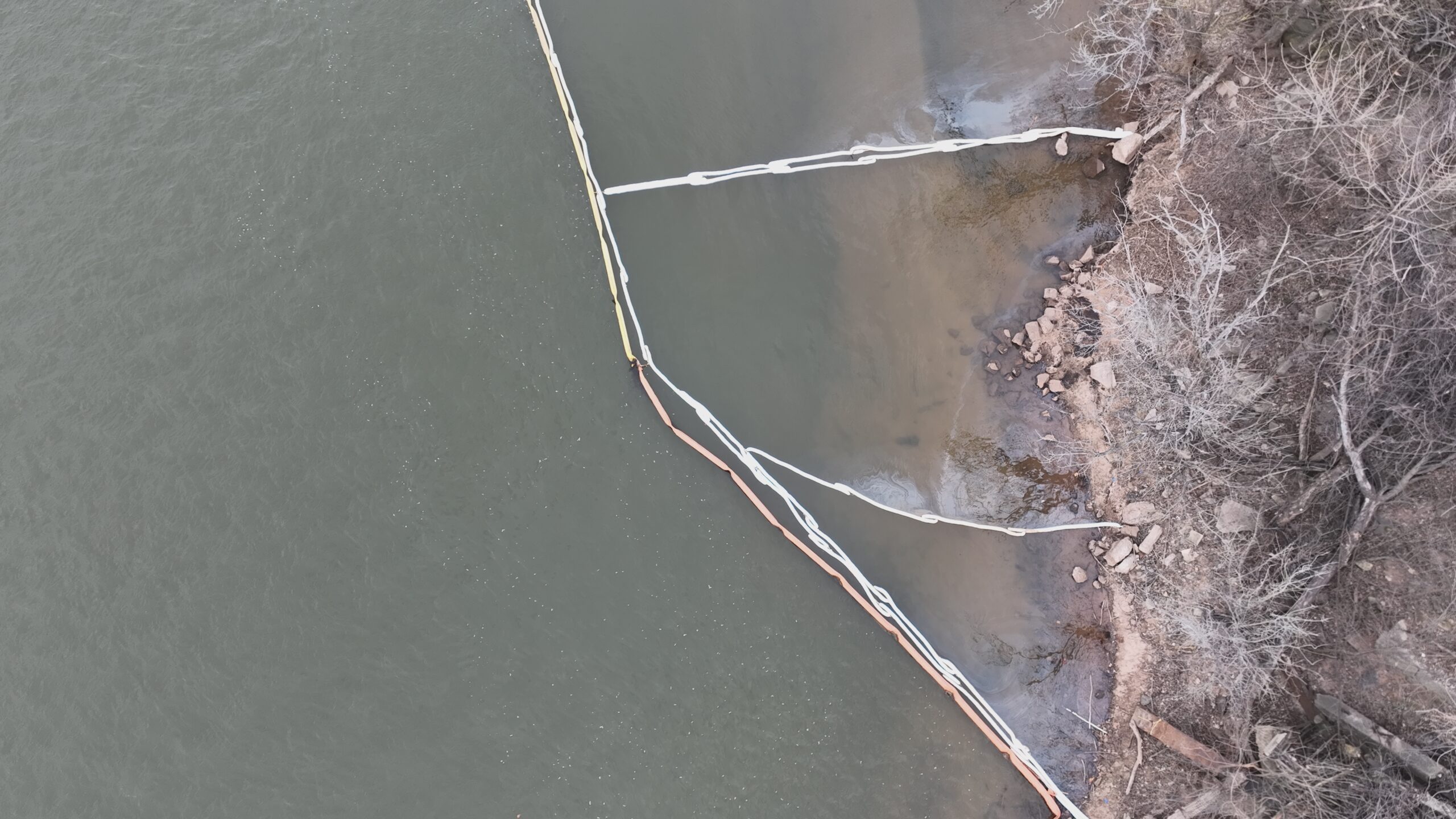
Footage from an ACME drone of a legacy oil spill that is slowly leaking into a river
Many industrial sites are designed to handle materials in a safe and efficient manner. However, real-world operations often result in unavoidable releases or spills. Even with efforts to address spills at the surface, contaminants can seep underground and even into groundwater, leading to ongoing environmental issues that may remain unnoticed until they escalate into more serious problems. At ACME, we believe that being prepared is essential for tackling these challenges effectively. That’s why we strongly encourage companies to embrace a readiness mindset. Preparing in advance to manage risks is vital for both environmental stewardship and compliance. Implementing preventive measures, such as secondary containment systems, can significantly reduce risk. Secondary containment provides an immediate barrier that captures leaks and drips at the source, preventing spills from spreading or migrating. By placing a physical barrier beneath tanks, transfer points, and staged equipment, these systems reduce cleanup costs, limit environmental impact, and support regulatory compliance, saving time and preventing small, routine releases from becoming major remediation challenges.
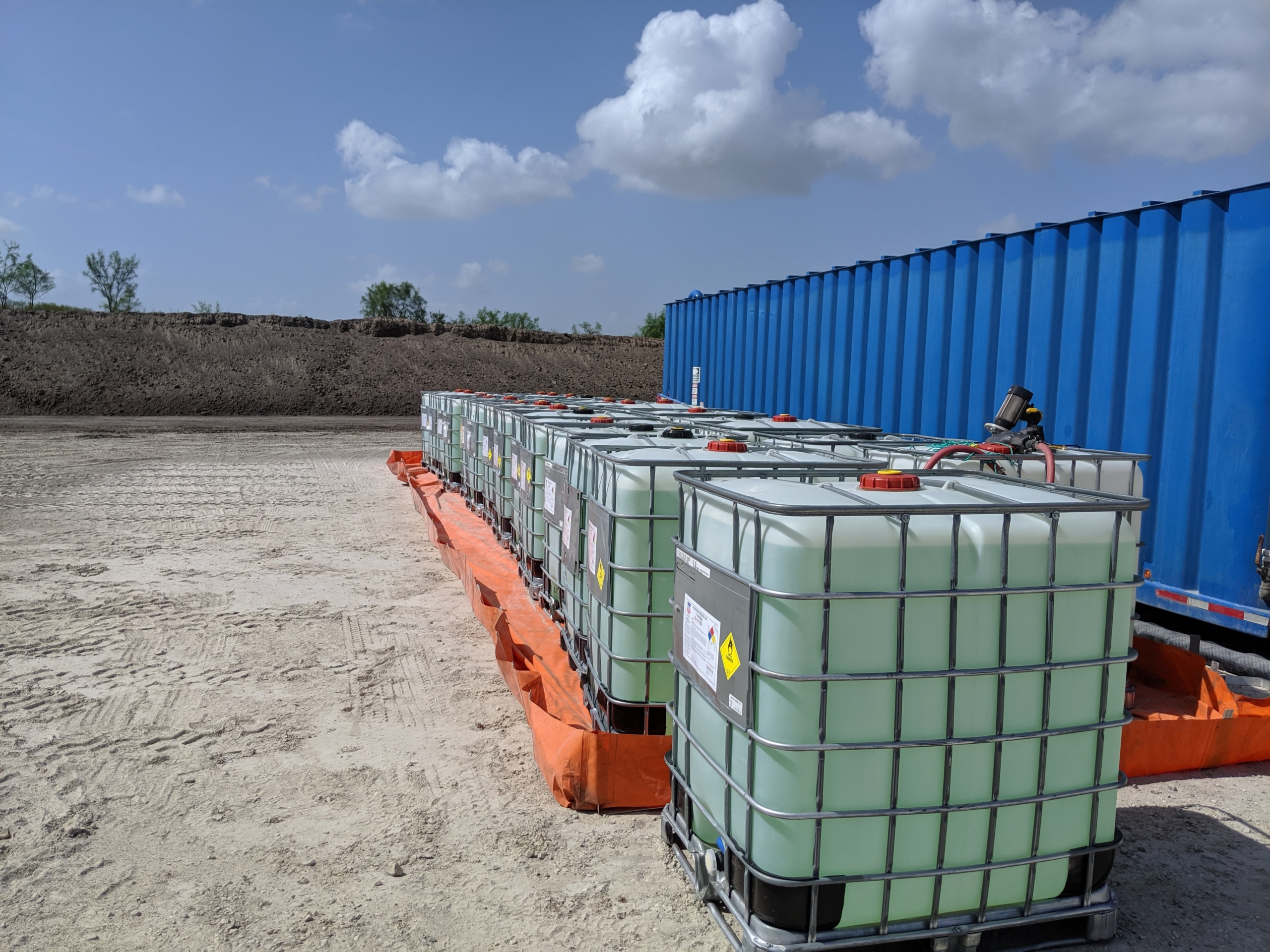
ACME’s Aluminum Angle Berm deployed as a secondary containment measure for chemical storage tanks
These issues can go unnoticed and not draw any attention at the time they occur:
To address these risks, ACME Environmental manufactures a range of proven secondary containment solutions designed to stop leaks and spills at the source and support real-world field operations, including:
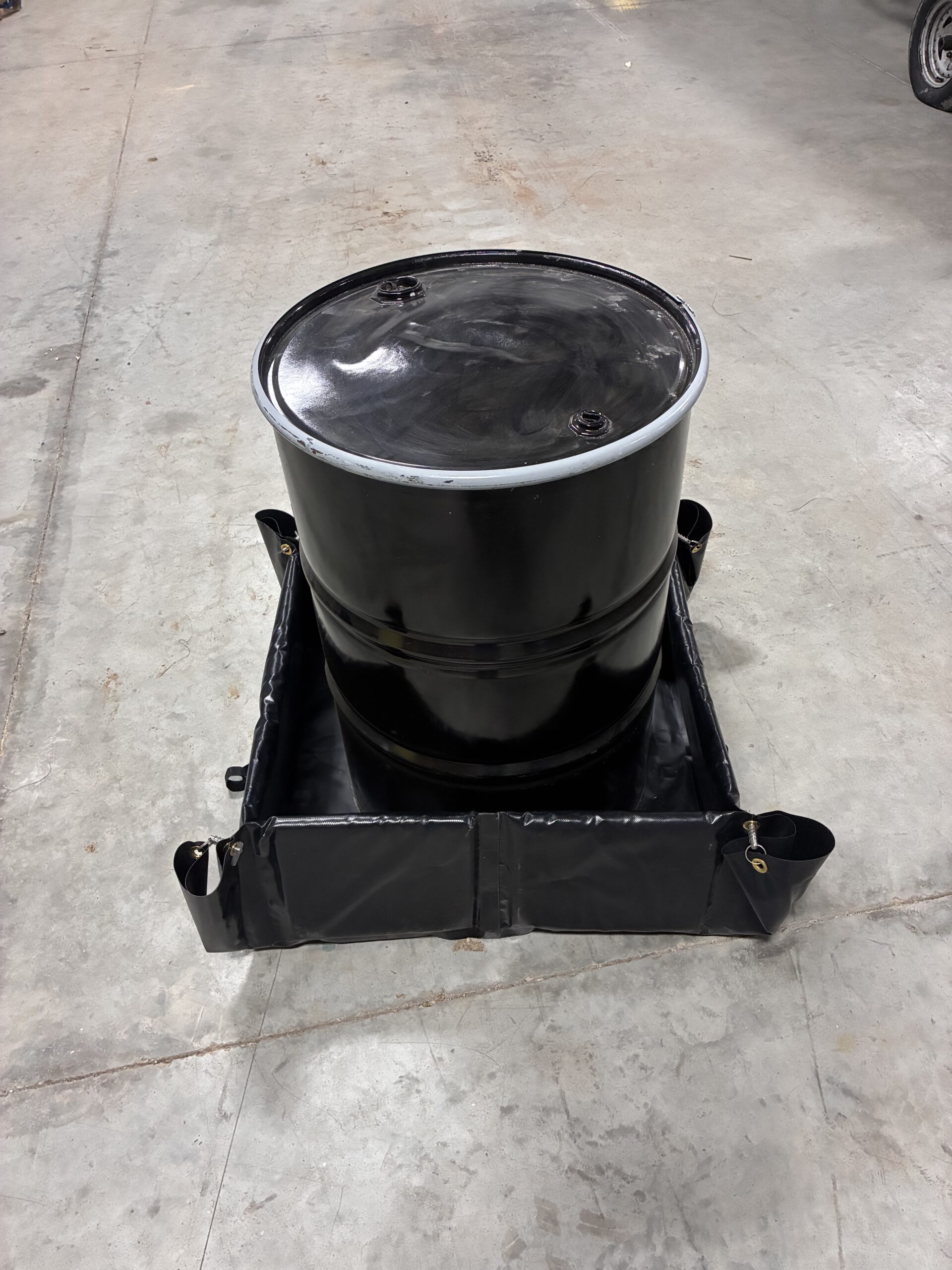
ACME Environmental’s Collapsible Berm used for secondary containment
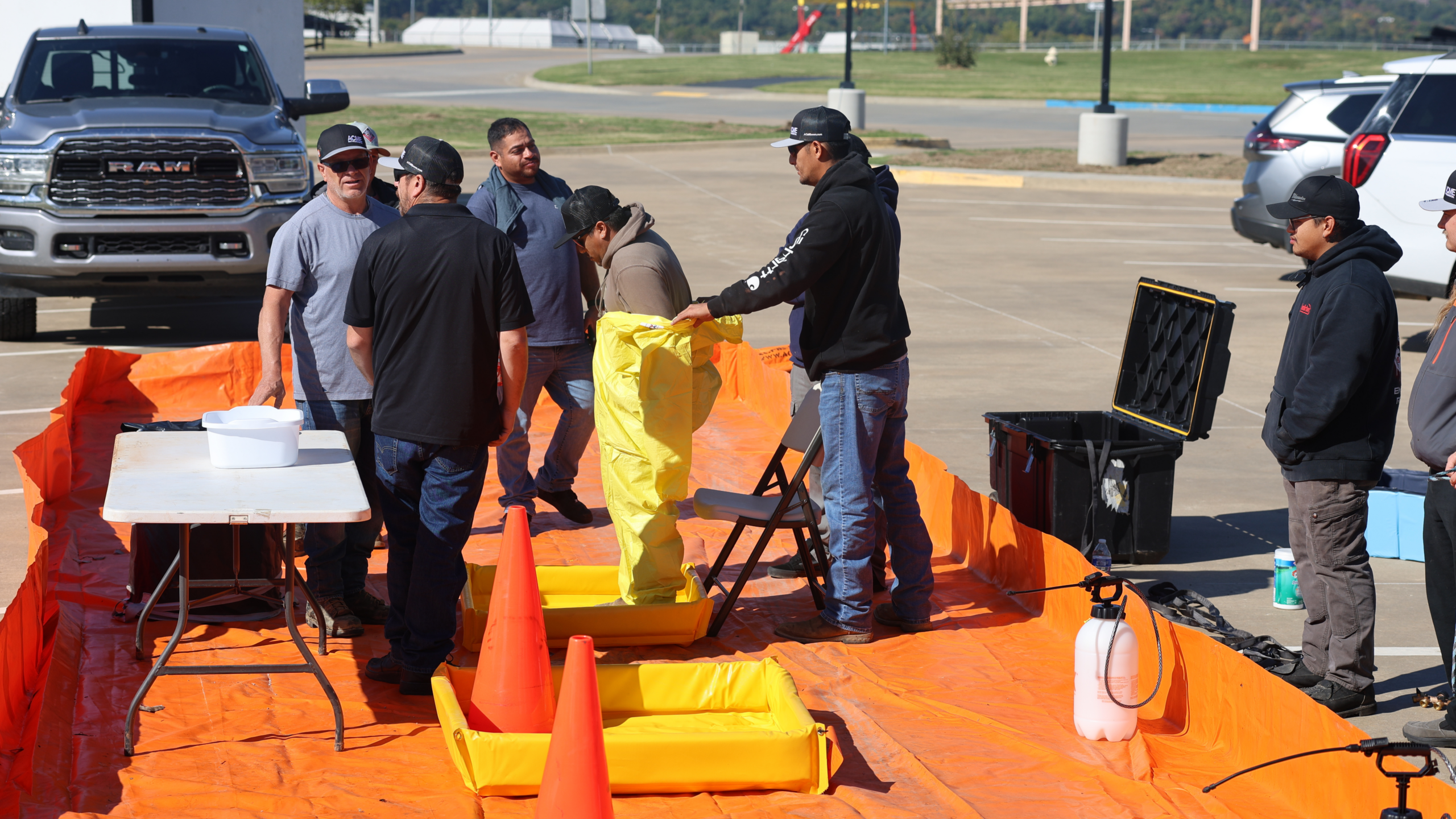
Decontamination set up during our Boom School using Aluminum Angle Berms, Foam Wall Berms, and Collapsible Berms
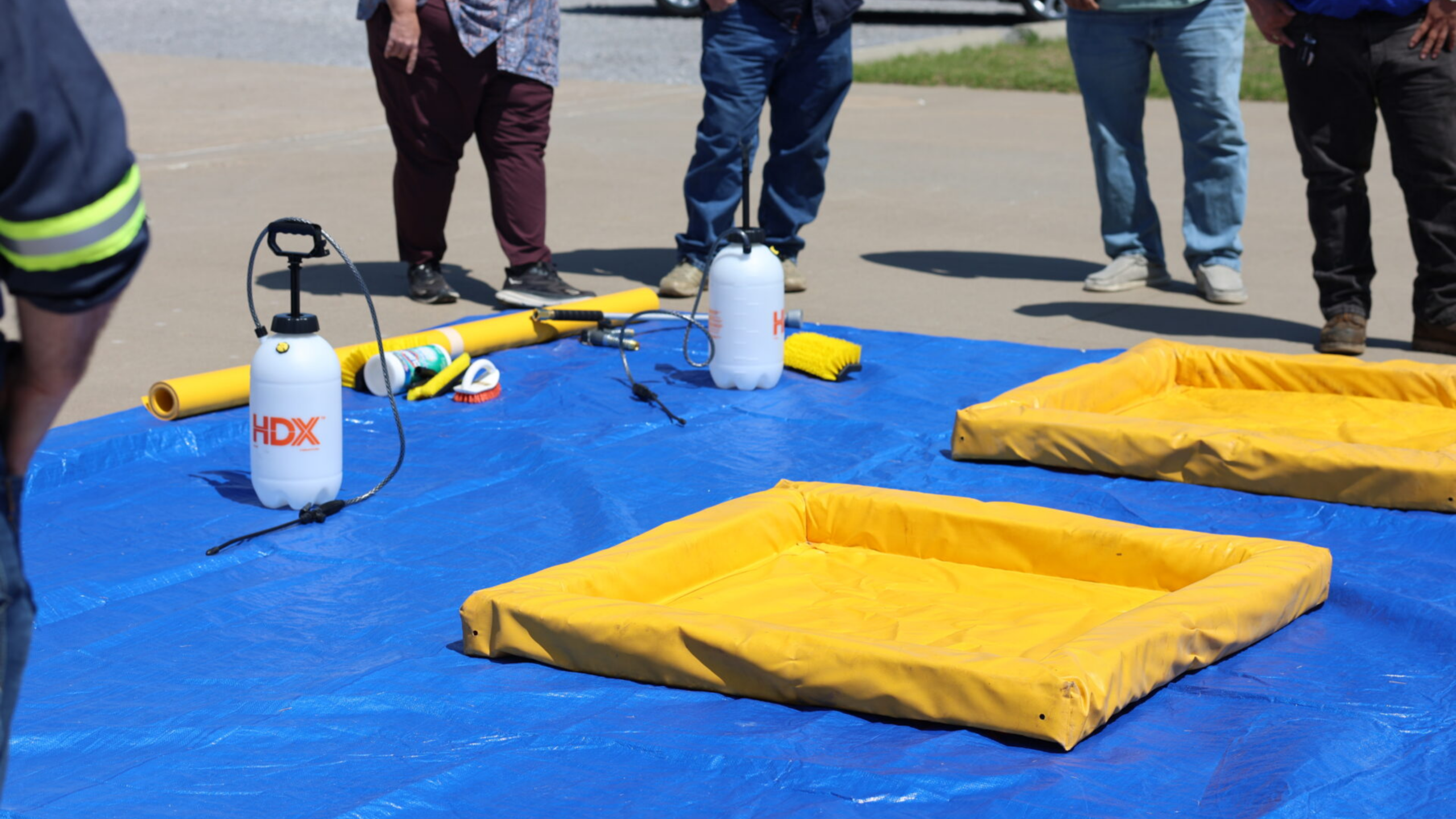
Foam Wall Berms being used for a decontamination zone
Small spills and leaks are inevitable, but you don’t have to wait for a small problem to evolve into a larger one. Implement secondary containment now to stop releases at the source, protect soil and groundwater, reduce cleanup costs, and maintain compliance. ACME’s collapsible, aluminum angle, and foam wall berms deliver durable, easy-to-deploy solutions so your site stays ready, safe, and prepared before a minor incident becomes a major one.
As discussed, contaminants such as hydrocarbons and other industrial chemicals can migrate through soil and eventually reach groundwater, creating risks that extend well beyond the original release area. The U.S. Environmental Protection Agency (EPA) has identified that once groundwater is impacted, contamination can move off-site, threatening nearby water supplies, ecosystems, and surrounding properties. Addressing this type of contamination often requires extensive remediation efforts and long-term monitoring to ensure the affected area is properly restored. Remediation strategies may include traditional approaches such as dig-and-haul, which involves excavating and removing contaminated soil, as well as alternatives like vacuum truck recovery or Ex-Situ remediation that treats soil contaminated with hydrocarbons using peroxide-based processes. Each method requires careful planning and execution to effectively control contamination and prevent further environmental spread. Read this article to learn more about how an oil spill can spread quickly if a watersource is contaminated and how ACME Environmental tackles the challenge.
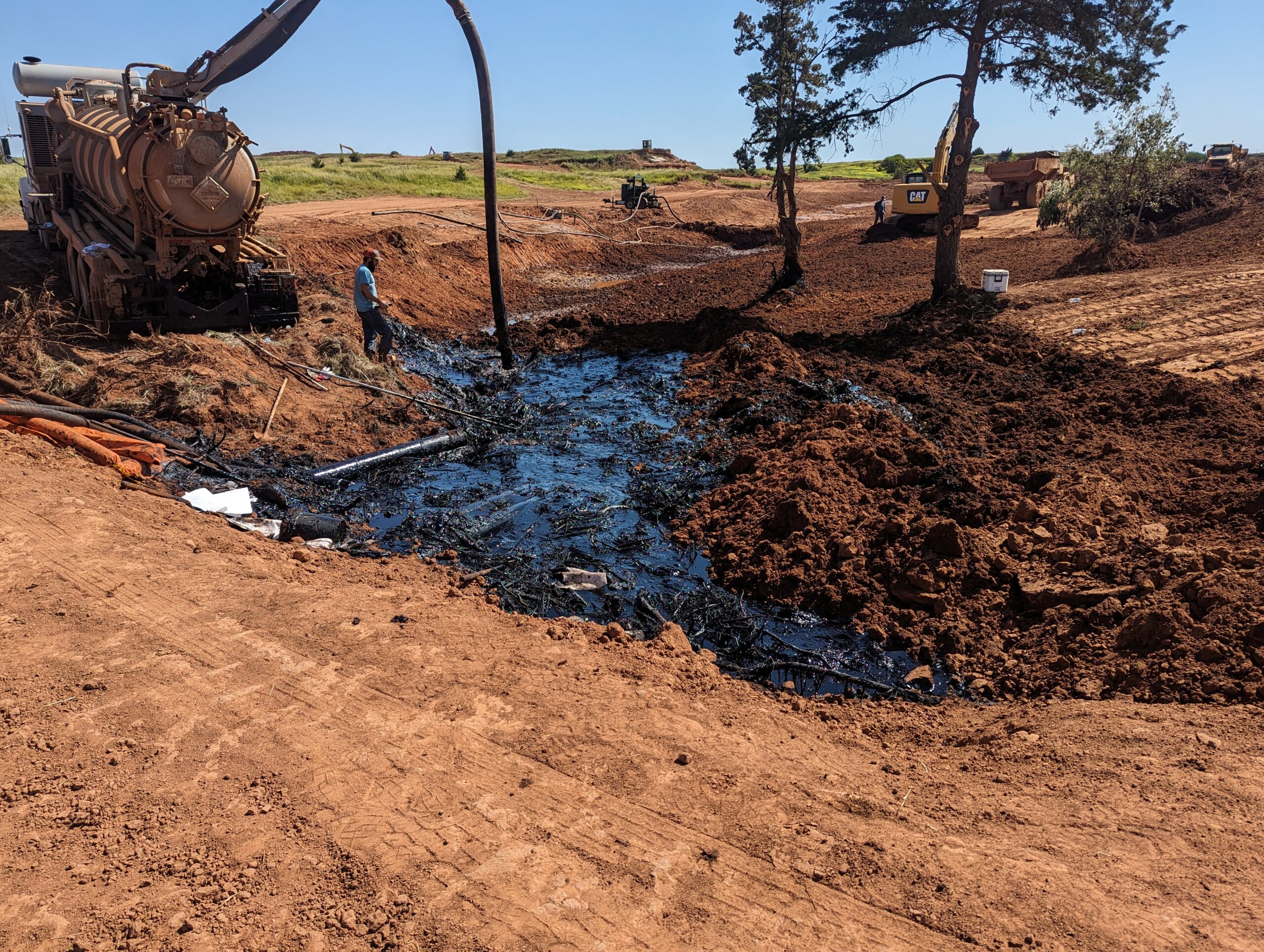
Vacuum truck removing oily sludge from a ditch
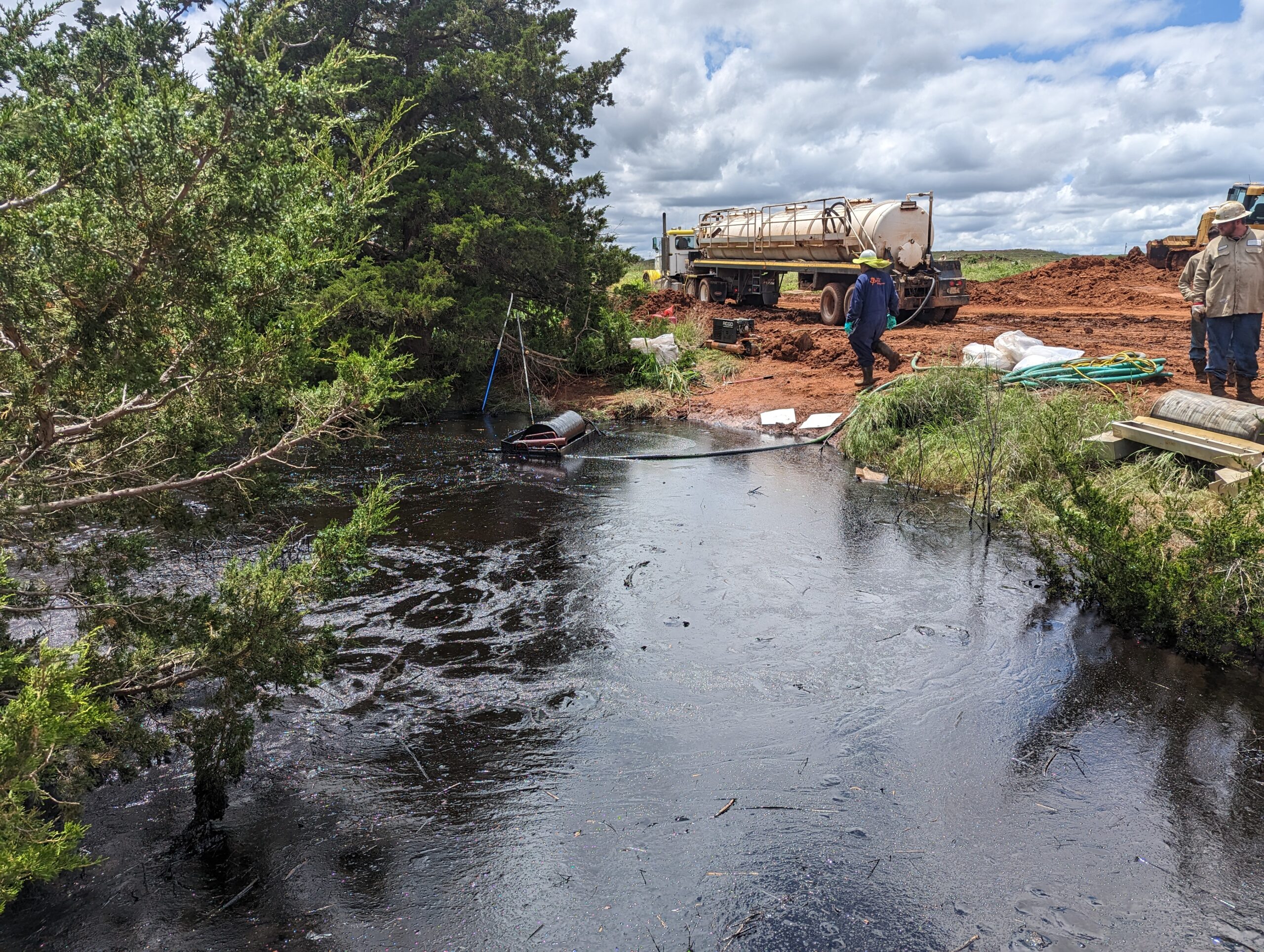
An Oil Skimmer hooked up to a vacuum truck to remove thick oil from a pond
Because of these risks, preventive containment plays a critical role in protecting sensitive environments, especially near waterways where high-risk or vulnerable areas are present. Deploying a containment boom as a preventive measure allows spills to be contained before they spread further into the environment, causing damage. ACME’s Containment Boom can be strategically positioned near fueling docks, transfer points, stormwater outfalls, or areas with heavy vessel traffic to create a ready barrier that effectively contains the spread of oil. By limiting the spread of contaminants on the water’s surface, these booms help protect downstream resources and water banks, simplify response efforts, and give teams valuable time to act. This proactive strategy minimizes environmental damage while reducing cleanup complexity and overall response costs, setting the stage for why early action is not just environmentally responsible but financially critical.
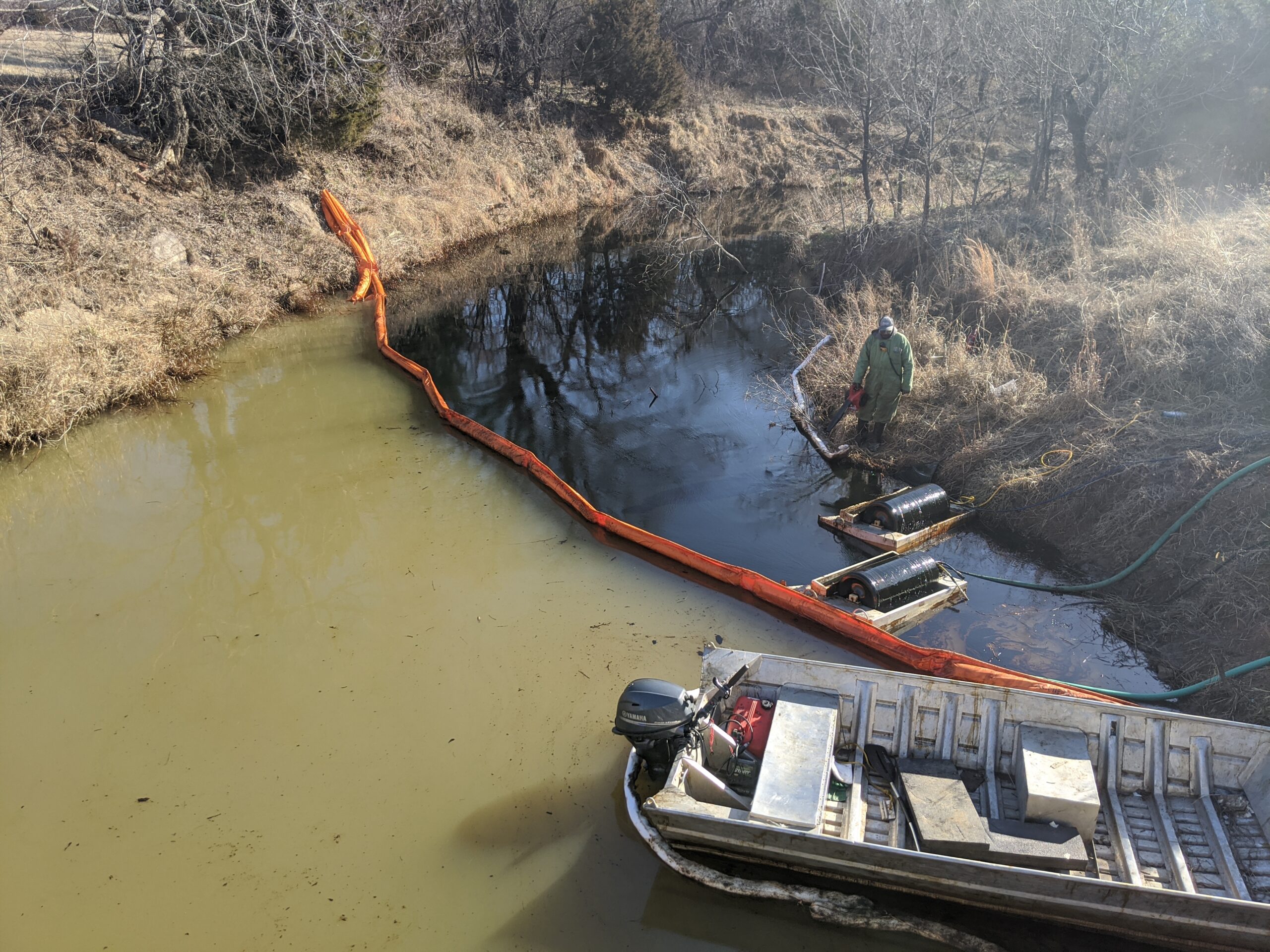
Containment Boom deployed to prevent spread of oil while an Oil Skimmer removes oil off the water surface
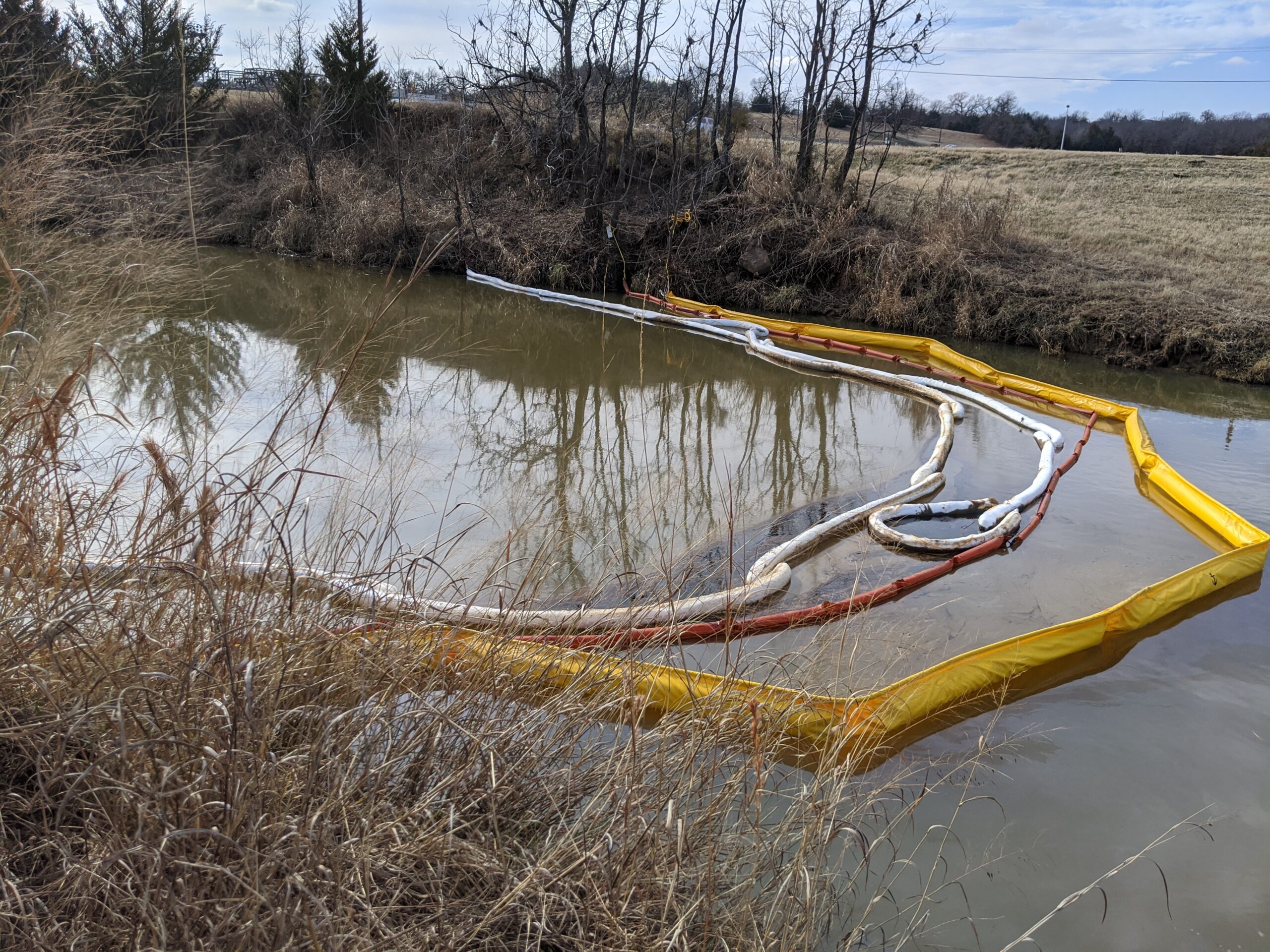
Containment Boom and Absorbent Boom deployed to prevent the further spread of oil
The Pipeline and Hazardous Materials Safety Administration (PHMSA) has noted that remediation costs increase substantially as contamination migrates from soil into groundwater and surface water. Traditional dig-and-haul approaches further amplify these costs through excavation, transportation logistics, subcontracted labor, disposal fees, and protective handling requirements. According to ACME’s cost analysis, landfill disposal alone can exceed $60/per cubic yard, meaning that removing just 6,000 cubic yards of contaminated soil can exceed $360,000 in landfill fees before transportation, labor, or containment costs are even considered.
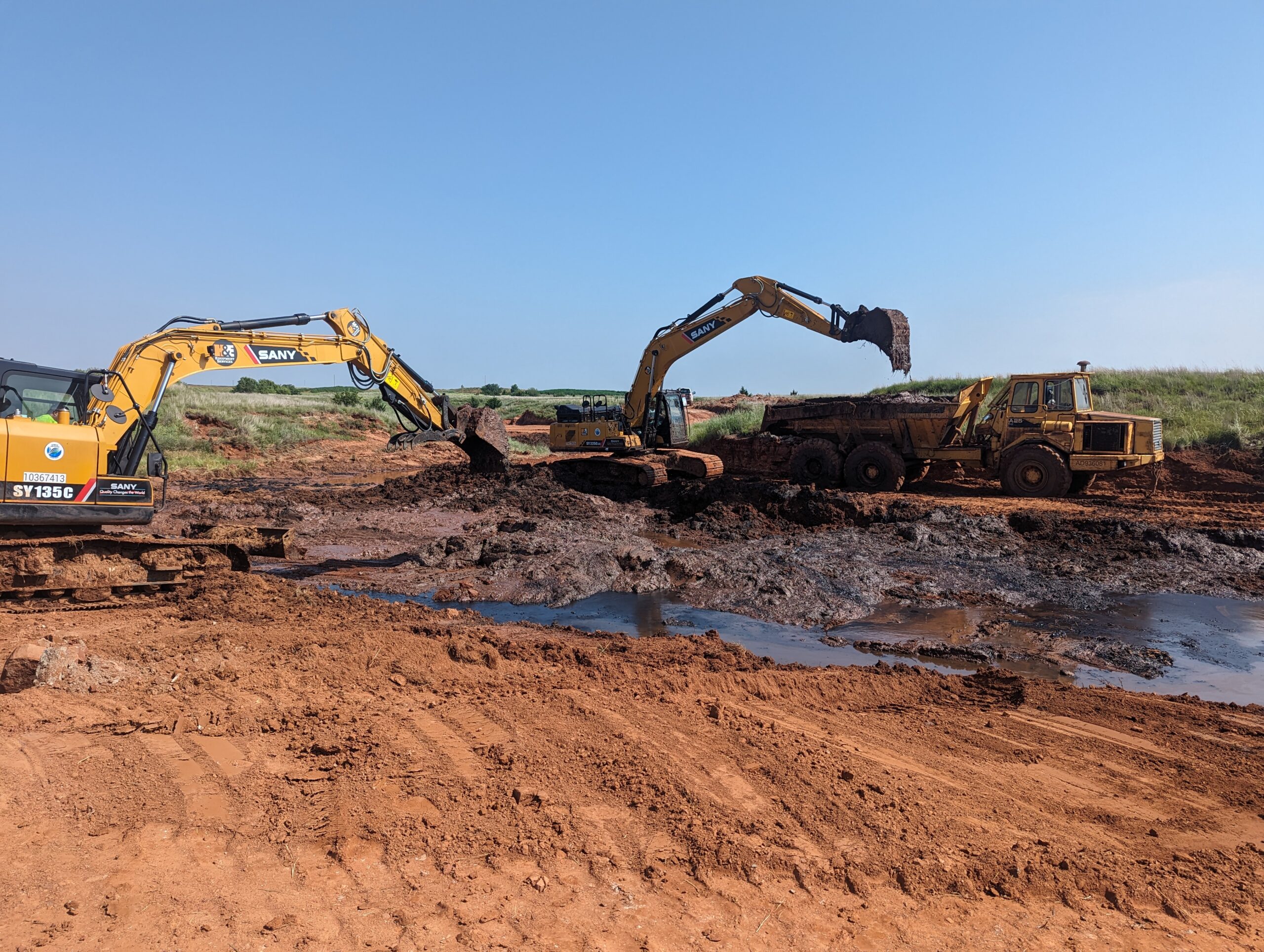
Excavators and dump trucks removing and hauling off contaminated soil to a disposal site
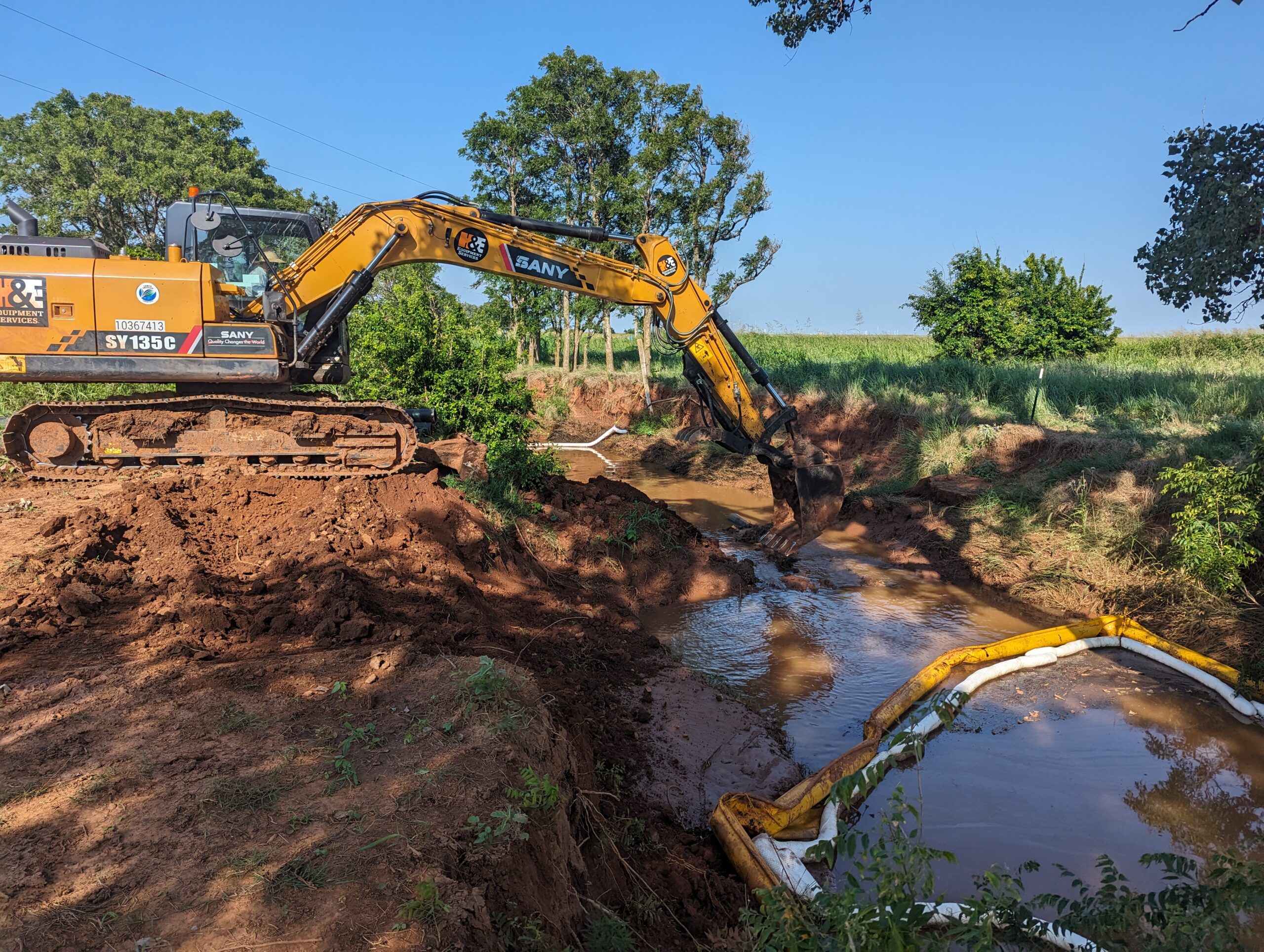
An excavator removing oily sludge from a creek bank to be hauled off and disposed of
In contrast, ACME’s Ex-Situ Mobile Remediation offers a more efficient and sustainable alternative by treating contaminated soil on-site. By eliminating off-site disposal and transportation, this approach significantly reduces fuel consumption, labor demands, overall project timelines, and mitigates roadway risks by having fewer trucks on the road. ACME’s proprietary chemical oxidation process restores soils for reuse rather than disposal, putting the soil back in its original place. Doing so cuts costs associated with other traditional remediation methods and lowers regulatory liability. As a result, ACME Environmental’s Ex-Situ Remediation process provides a cost-effective solution that controls expenses while delivering faster, more effective site recovery. Learn more about our Ex-Situ Remediation in this article.
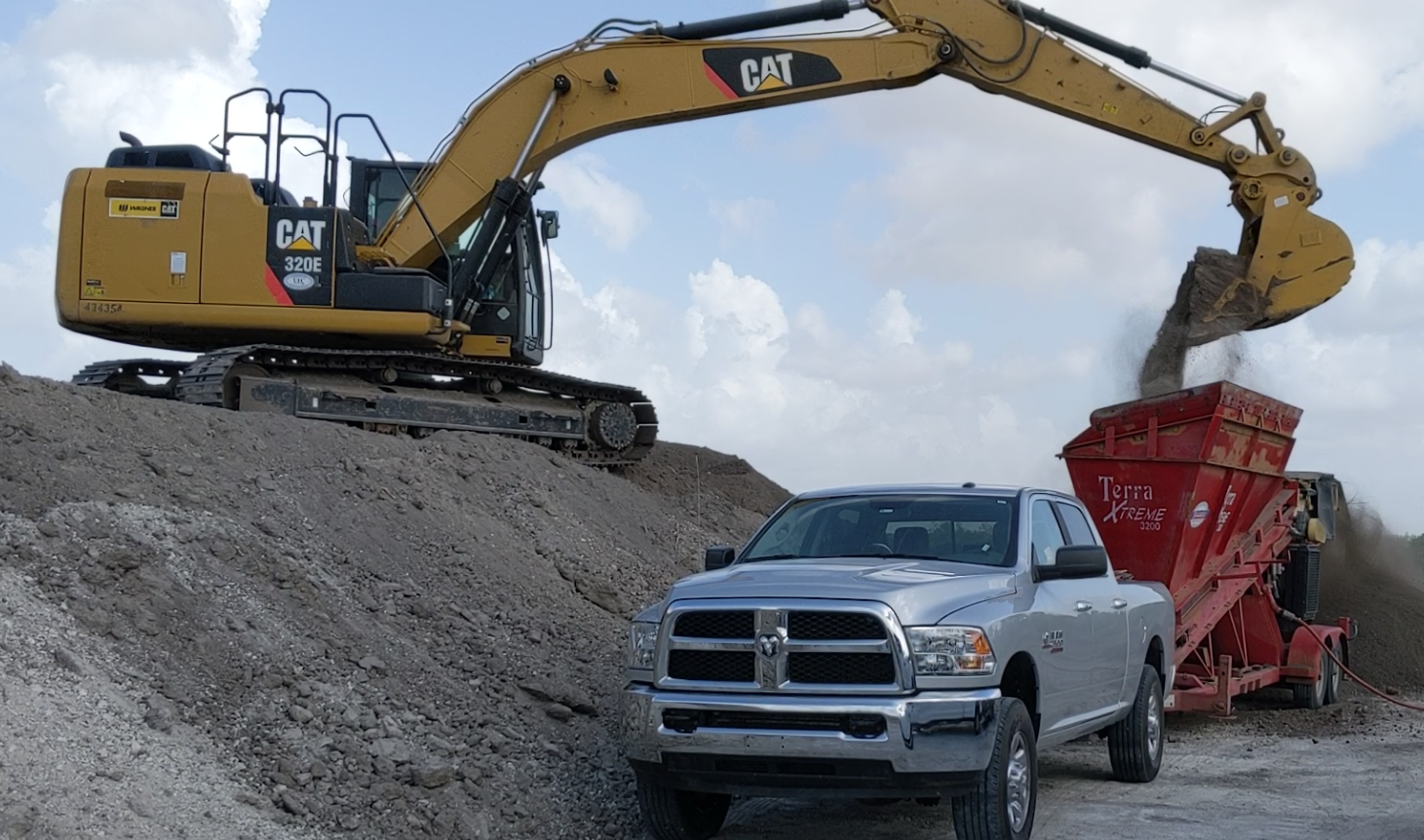
ACME Environmental’s Ex-Situ Remediation machine treating contaminated soil
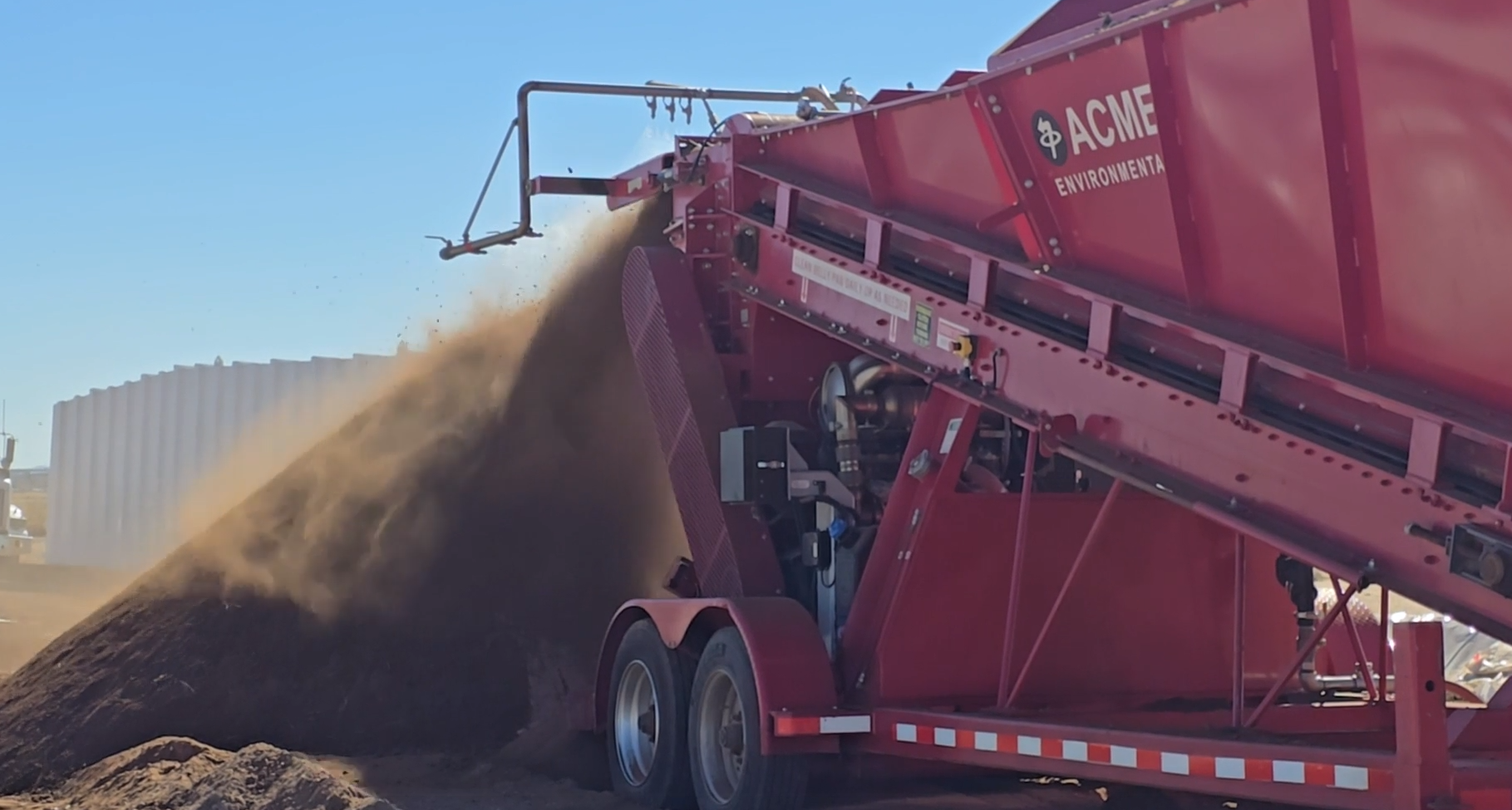
ACME’s Ex-Situ Remediation Machine alleviating soil of hydrocarbons through oxidation treatment
To take remediation a step further, ACME Environmental offers a full suite of remediation and site maintenance services designed to support projects from initial response through final restoration. From targeted soil treatment and spill response to ongoing site maintenance, restoration, and compliance support, ACME partners with organizations to manage environmental risk at every stage. Whether addressing an active release, legacy contamination, or long-term site restoration, ACME’s experienced team delivers practical, scalable solutions that reduce liability, shorten recovery timelines, and keep operations moving forward. Learn more about our Remediation services on our website today.
The absence of a catastrophic spill does not guarantee a clean or compliant site. In today’s regulatory and environmental landscape, some of the greatest risks develop quietly through slow leaks, repeated drips, and uncontained releases that migrate into soil, groundwater, and nearby waterways over time. Left unaddressed, these hidden issues can evolve into complex environmental liabilities that carry significant financial, operational, and regulatory consequences.
By taking a proactive approach to containment and remediation, organizations can stop contamination at the source, prevent groundwater impacts, avoid regulatory surprises, and significantly reduce long-term cleanup costs, protecting surrounding communities and sensitive ecosystems. ACME Environmental stands ready to support industrial operators at every stage, from preventive containment and early response to advanced remediation and long-term site restoration. Contact us today to learn more about our proven solutions and how we can help you identify hidden risks, control environmental exposure, and keep operations moving forward, today and for years to come.

Posted on: September 11, 2026
What Are Vacuum Truck Services? Some people who need vacuum truck services may never have considered it or may not...
Read More
Posted on: September 1, 2026
Now What? When cleanup crews leave the site and the last bit of impacted soil is “removed”, it’s tempting to...
Read More
Posted on: August 3, 2026
The Cost of Waiting Too Long When an oil or chemical spill occurs, every minute counts. What may begin as...
Read More
Posted on: June 19, 2026
Why Preparation Matters When severe weather strikes, industrial facilities face risks that extend far beyond structural damage and operational downtime....
Read More