


ACME’s Vacuum Truck Services
What Are Vacuum Truck Services? Some people who need vacuum truck services may never have considered it or may not...
Read MoreWinter creates some of the toughest conditions for spill response teams. Freezing temperatures put stress on both workers and equipment, while snow-covered ground hides hazards and reduces visibility. Shorter daylight hours limit how much work can be done safely and increase fatigue. Cold weather affects protective gear, cognitive function, and equipment performance. Snow and ice make normally stable areas slippery and uneven, increasing the risk of slips, trips, and falls. Low temperatures can also reduce the effectiveness of response equipment such as oil skimmers and containment boom. Managing these risks requires trained responders and the right tools. ACME Environmental, a #10 U.S. Coast Guard Certified Oil Spill Removal Organization (OSRO), provides experienced teams, reliable equipment, and strong planning support to help protect workers and keep spill response operations safe and effective during winter conditions.
Extreme cold directly affects both personal protective equipment (PPE) and the human body. OSHA identifies cold stress, including frostbite and hypothermia, as critical hazards that can arise during oil spill response work in freezing temperatures. Cold environments increase the rate at which body heat is lost, which can impair cognition, reduce dexterity, and result in serious medical emergencies if symptoms go unrecognized. OSHA specifically highlights the risk of cold stress from prolonged exposure to low temperatures and recommends planning, monitoring, and appropriate PPE to mitigate these risks.
In cold conditions, PPE’s insulating properties are challenged. PPE that performs well at moderate conditions can stiffen, reduce mobility, and fail to protect against prolonged exposure to freezing weather, snow, or slush, increasing the risk of frostbite or accidental slips during field tasks. Emergency responders wearing thick gloves may lose fingertip sensitivity, creating challenges for boom deployment and anchoring tasks. Proper layering, rotation schedules, and warming breaks are all critical components of a cold stress prevention program, as outlined by OSHA’s guidelines.
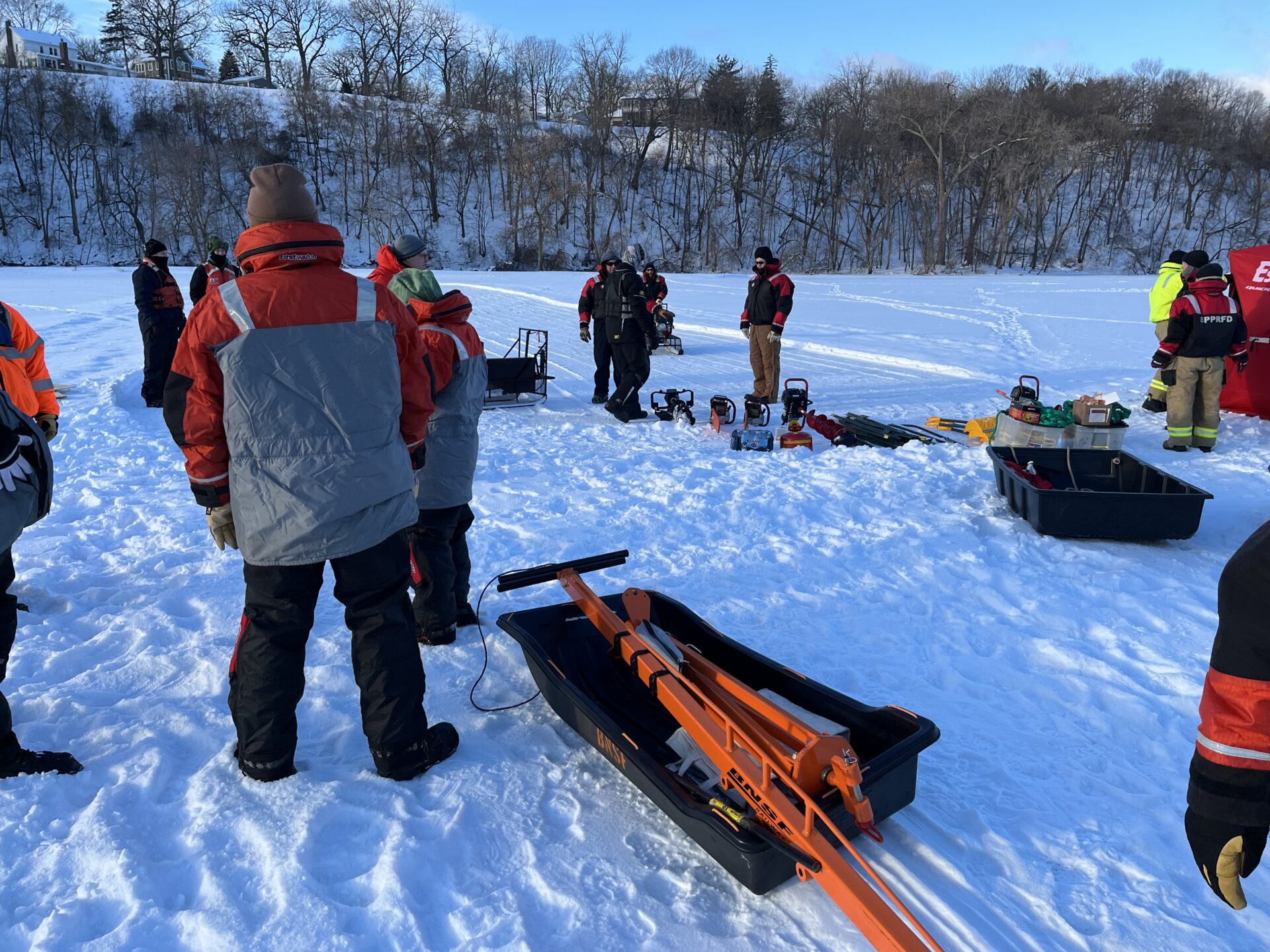
ACME and client equipped with the proper PPE and equipment to conduct a spill drill
Worker safety is central to ACME’s winter spill response operations, and all field activities are aligned with OSHA’s guidelines for oil and chemical spill response. Through field operations and hands-on training programs, ACME ensures that our response teams understand how to properly select, wear, and use proper PPE to reduce the risks of cold stress, limited mobility, and exposure hazards. ACME’s training includes on-site briefings, job hazard analyses, and practical deployment exercises conducted under real-world conditions. By following OSHA’s best practices for hazard assessment, PPE use, and worker protection, ACME helps our response teams recognize early signs of cold-related injuries and apply safe work practices. These safety measures are built into ACME’s monthly in-house training along with the HAZWOPER 40-hour program, and HAZWOPER 8-hour refresher, which prepares our team to operate safely around oil and hazardous chemicals while meeting federal requirements for emergency response. By combining OSHA-compliant training with field-tested winter response experience, ACME ensures its teams are equipped to protect both themselves and the environment during winter spill operations.
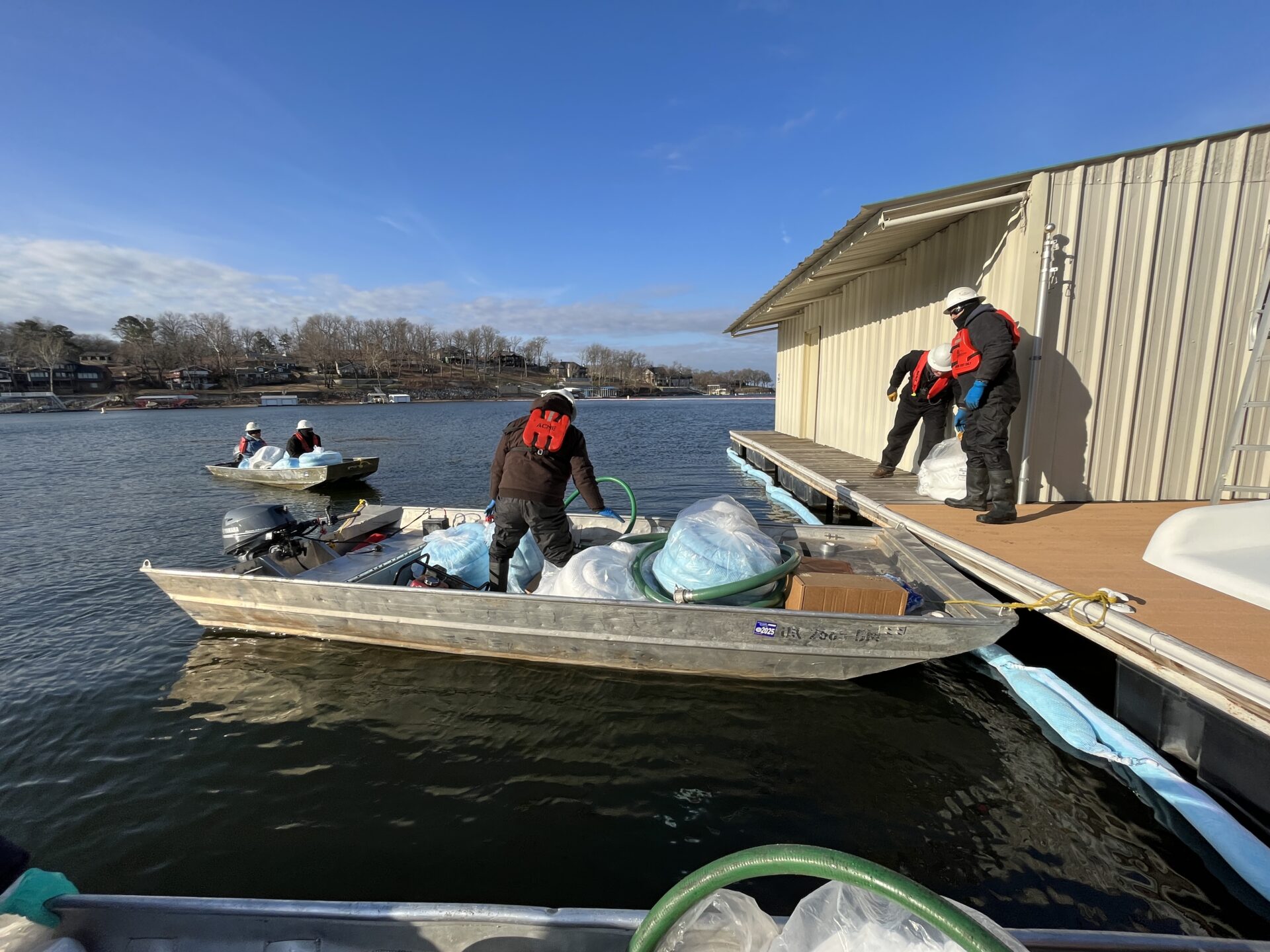
ACME employees responding to an oil spill on a lake in February
One of the most common risks during winter spill response is terrain concealed beneath snow and ice. Spill sites such as riverbanks, docks, coastal shorelines, and sloped embankments become unpredictable once winter conditions set in. Snow can hide holes, uneven ground, and even water, while black ice may form without warning. These conditions significantly increase the risk of slips, trips, and falls, which can injure personnel, damage equipment, delay response efforts, and compromise proper deployment.
Boom deployment in winter amplifies these risks. Responders often work near water on unstable footing while handling long, heavy sections of boom, anchor systems, and rigging. If footing is lost, boom sections can shift suddenly, leading to dropped equipment, improper anchoring, or responders being pulled toward the water. Such incidents not only endanger worker safety but can also delay containment efforts, reduce boom effectiveness, and allow oil or chemicals to spread further into the environment. ACME responders are trained to recognize these hazards and take deliberate steps to reduce risk before deployment begins. Comprehensive site assessments evaluate footing conditions, ice formation, access points, and anchoring locations. When necessary, ACME installs temporary walkways, adjusts deployment techniques, and, when days are shorter, adds portable lighting to enhance visibility and depth perception.
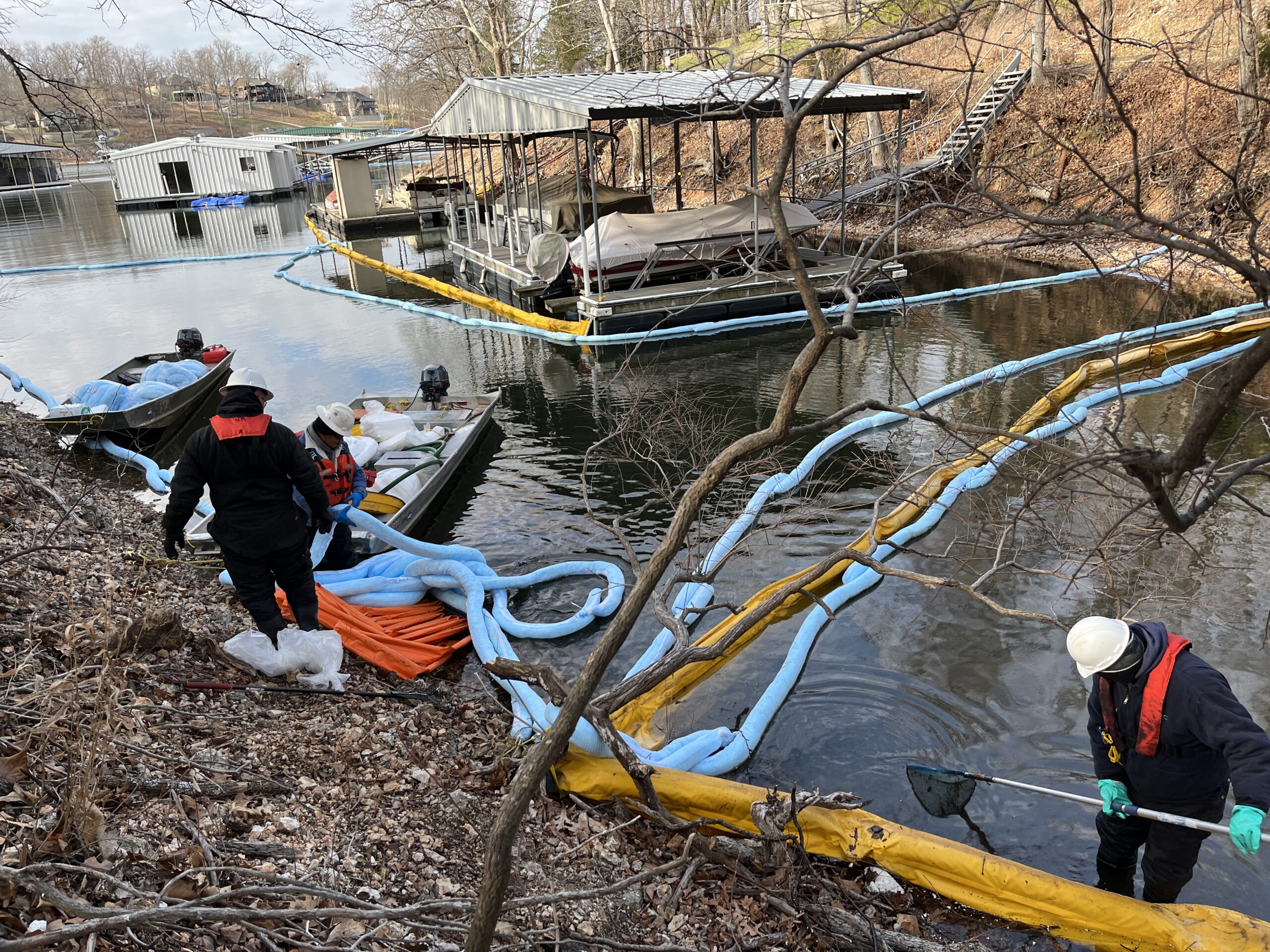
ACME employees deploying containment boom and sorbent boom around boat docks in February
By combining situational awareness, in-depth planning, and proven field strategies, ACME ensures boom deployment is conducted safely and effectively, even in harsh winter environments. OSHA guidance underscores the importance of identifying both cold stress and physical hazards such as slick surfaces, making these proactive measures essential for protecting responders and maintaining containment integrity during winter spill operations.
Mobilizing pumps, vacuum trucks, boom reels, oil skimmers, response trailers, and support vehicles can be demanding even under normal conditions, and winter greatly increases the complexity of every deployment. Icy access roads reduce traction, causing heavy trucks and trailers that are stable on dry ground to slide unexpectedly. Even four-wheel drive vehicles can struggle on packed snow, while banks, sloped terrain, and water further raise the risk of rollovers, loss of control, and falling into water. In these conditions, precise equipment staging becomes critical. Large assets such as boom reels, oil skimmers, trucks, and response trailers must be positioned carefully to maintain stability, as any shift in equipment or loss of traction can injure responders, damage critical assets, or worsen spill conditions.
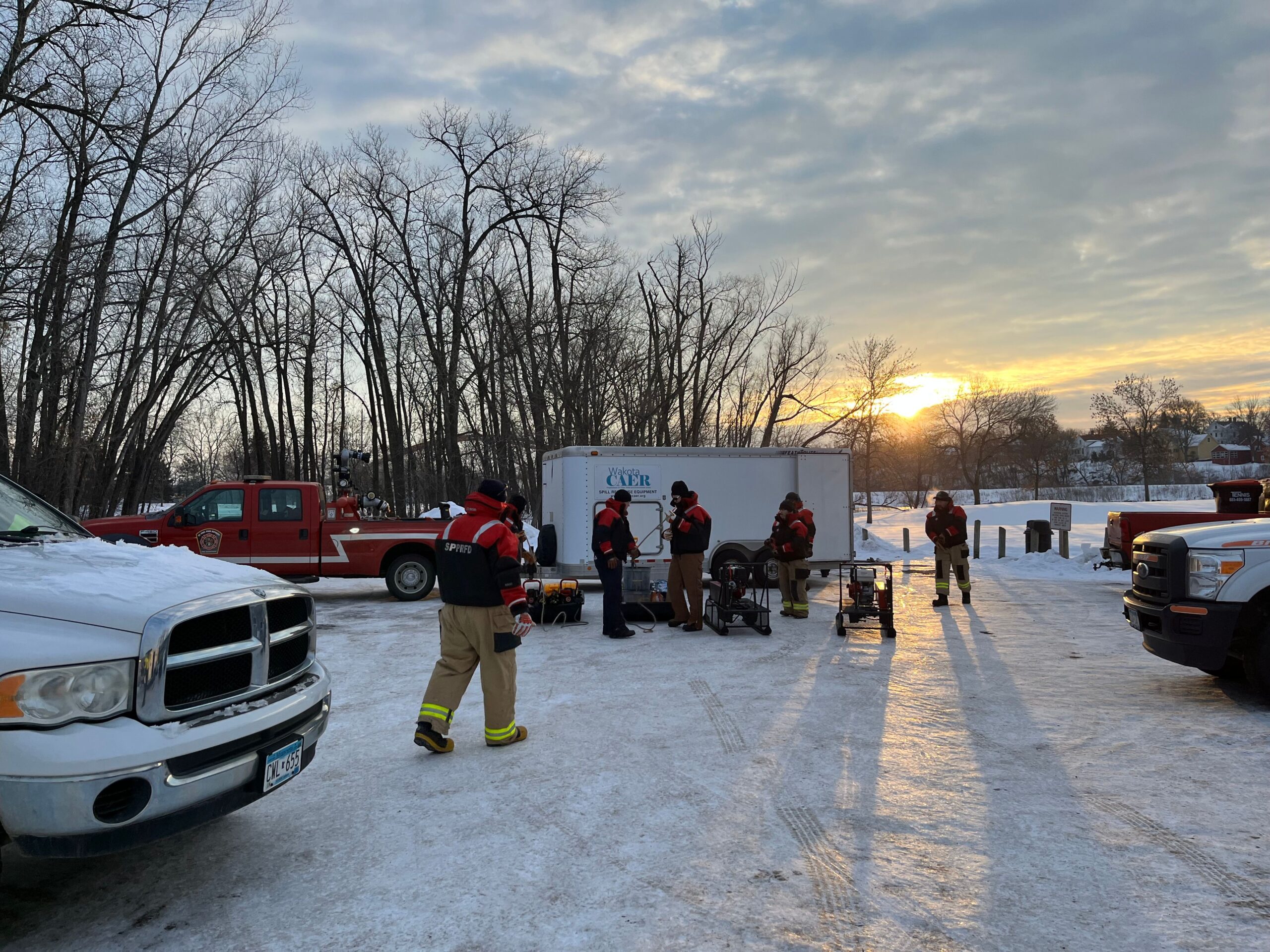
Response trucks and trailers equipped with all necessary equipment for a cold-weather response
Winter conditions also make it difficult to distinguish solid ground from water that may be frozen over. Snow-covered ice can closely resemble land, masking rivers, ponds, drainage ditches, and shoreline edges. Misjudging these areas can cause equipment to break through ice, vehicles to become stuck, or responders to fall into freezing water, creating serious safety risks. Knowing exactly where water lies beneath snow and ice is essential for safe access, staging, and boom deployment during winter spill response operations. To manage these risks, ACME combines experienced field logistics with advanced digital planning. While management planning and careful equipment placement form the foundation of safe operations, ACME’s Digitally Enhanced Response capabilities significantly enhance safety before field teams ever arrive on site. Digital mapping, real-time data integration, 3D modeling, and interactive planning tools allow ACME to identify bodies of water, different terrain, and other hidden hazards in advance. These technologies integrate drone imagery, environmental data, and site visuals into a unified dashboard, providing responders with a clear, accurate understanding of site conditions before deployment. With this digital insight, ACME can select safer travel routes, establish stable staging locations, identify safe deployment areas, and develop contingency plans ahead of time. Shared dashboards and integrated data streams also support coordinated communication among responders, contractors, and agencies, ensuring containment systems and equipment are positioned effectively for recovery and control. By combining proven field practices with real-time digital situational awareness, ACME reduces uncertainty, improves efficiency, and strengthens safety across all winter spill response operations. Learn more about our digital tools in this article.
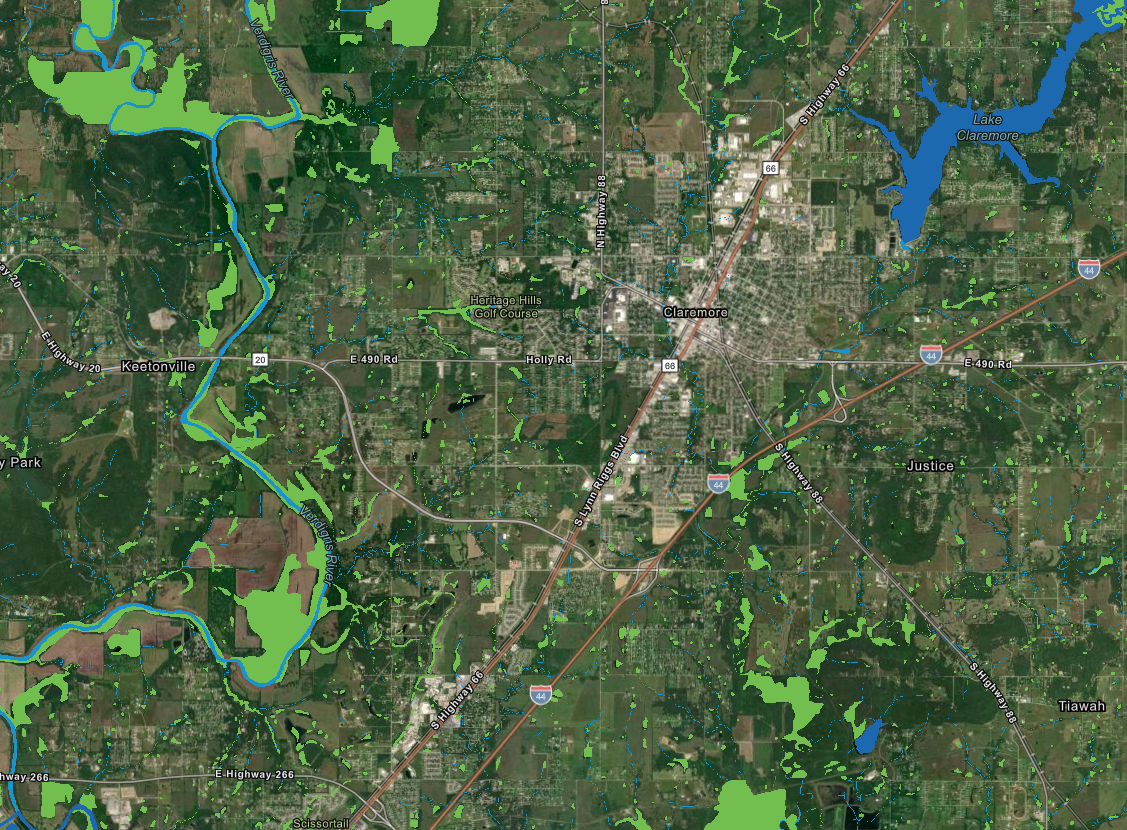
ACME dashboard with the wetlands layer on showing where all wetlands are in a specific area
The Hazardous Waste Operations and Emergency Response (HAZWOPER) standard is a cornerstone of effective spill response, and its importance becomes even greater in winter conditions when hazards are intensified by cold temperatures, ice, and snow. OSHA’s HAZWOPER regulation (29 CFR 1910.120) requires employers to develop written health and safety programs that identify, evaluate, and control hazards, and to provide appropriate training before responders engage in emergency operations such as spill cleanup. This training must include recognition and control of chemical hazards, selection and use of personal protective equipment (PPE), decontamination procedures, and emergency response protocols tailored to the specific tasks responders will perform. Equally crucial, annual refresher training and role-specific instruction are mandated to ensure responders remain competent and up to date with best practices. In winter spill response, HAZWOPER training equips responders not only to manage hazardous substances but also to understand how cold and ice affect human performance, PPE effectiveness, and overall safety. OSHA guidance emphasizes a mix of classroom instruction and supervised field experience, allowing responders to apply knowledge in real-world conditions before facing hazardous scenarios. Additionally, all ACME spill technicians and responders are HAZWOPER 40-hour certified and receive their 8-hour refresher annually.
ACME’s training programs reflect these best federal practices, preparing responders for the full range of hazards encountered in oil and chemical spill operations, including winter conditions. These programs go beyond certification to immerse responders in realistic scenarios that simulate varied terrain, dynamic weather, and complex equipment deployment. Participants learn to navigate challenging sites, adjust PPE for extreme conditions, and follow procedures that minimize risks. ACME’s Boom School combines classroom instruction with hands-on field exercises, building calm judgment under stress, strong team communication, and operational competence in demanding environments, all critical elements emphasized by OSHA guidance for effective spill response. At the conclusion of the course, Boom School students also complete their 8-hour HAZWOPER refresher, ensuring they are fully up to date on federal safety standards and ready to respond safely and effectively in the field. Learn more about our Boom School in this article.
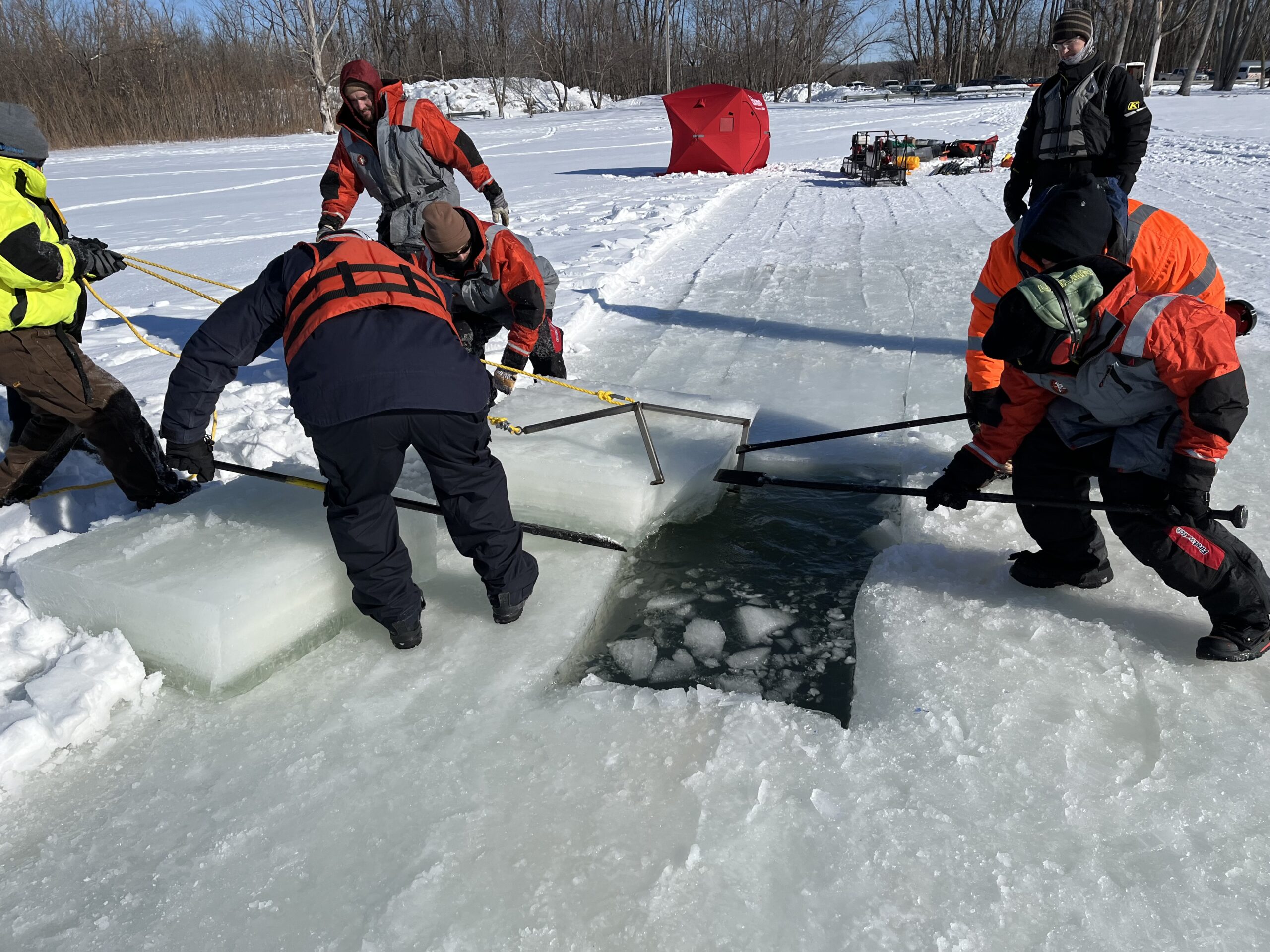
Response team removing ice to expose water for the containment solution to be deployed
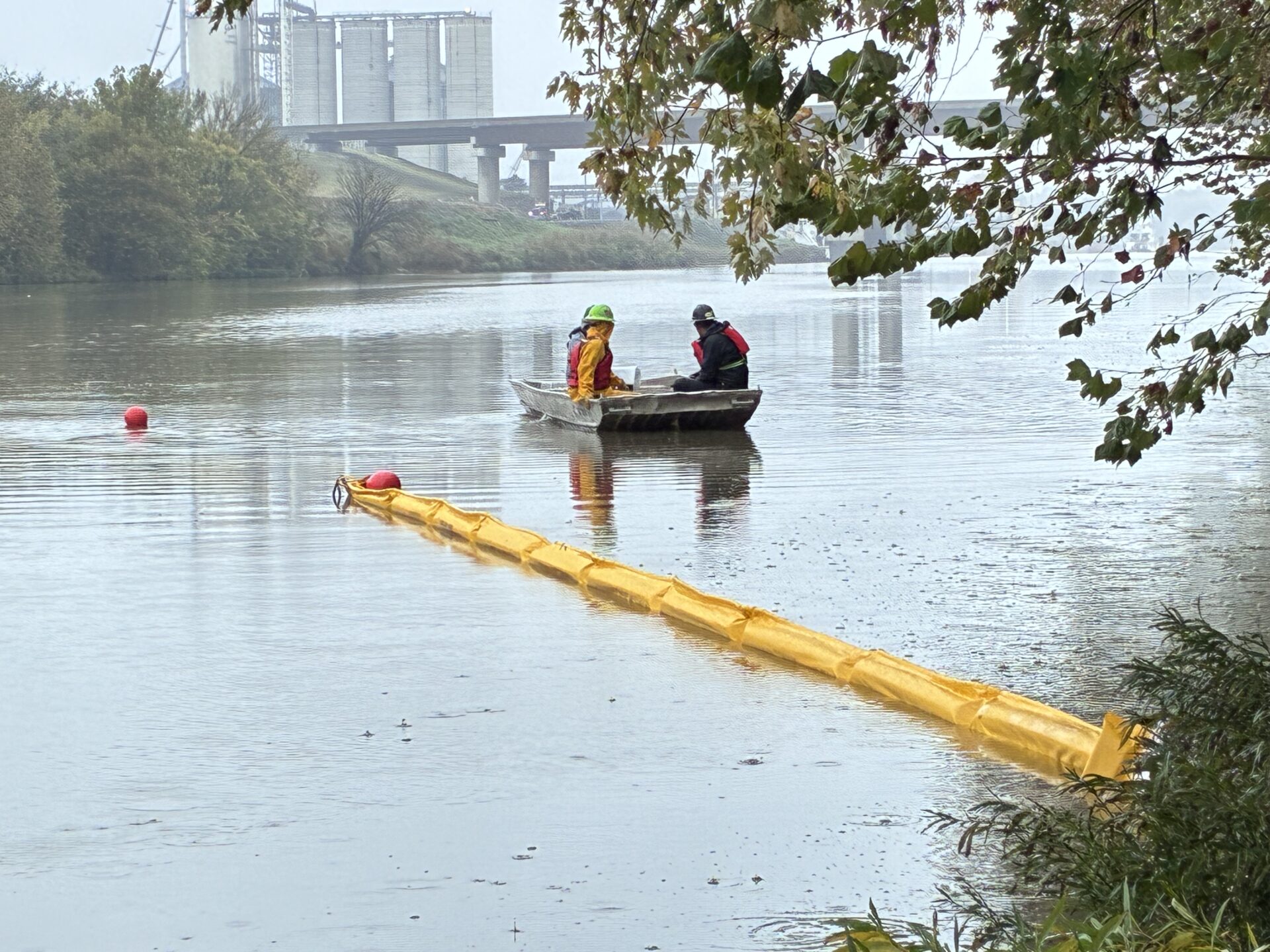
Containment boom section deployed
Don’t leave your spill response to chance. Enroll your team in ACME’s comprehensive training programs to ensure personnel are confident, capable, and prepared to respond quickly and safely when every second counts. Proper training reduces injuries, protects equipment, and ensures operations meet OSHA, EPA, and U.S. Coast Guard requirements. Equip your responders with the knowledge, experience, and confidence they need. Invest in ACME’s Boom School today and turn challenges into controlled, successful operations.
ACME’s field technicians are experienced in maintaining and inspecting all response equipment before it leaves the yard, ensuring that containment boom, oil skimmers, powerpacks, hoses, PPE, vehicles, and other gear perform reliably when deployed. By combining careful preparation, specialized products, and field-tested winterization practices, ACME ensures that responders have the tools they need to act quickly and safely, even in the harshest winter conditions.
Cold weather impacts every aspect of spill response, from the physical endurance of responders to the behavior of materials and the performance of heavy equipment. Snow, ice, and reduced daylight further complicate safe movement, coordination, and overall productivity. Meeting these challenges requires responders to be trained not only on response procedures, but on how to execute them safely in winter conditions. This includes operating equipment that has been properly winterized and proven to perform in cold environments, as well as leveraging digital tools to plan around hazards and make the most of limited daylight. In these conditions, true effectiveness comes from balancing speed with safety; there is no substitute for both.
ACME Environmental’s integrated expertise across products, services, training, and digital planning demonstrates how a modern spill response organization mitigates winter-specific risks. By investing equally in people, equipment, and preparation, and by delivering solutions tailored to extreme conditions, ACME shows that even the harshest environments can be navigated safely and successfully when preparation is matched with precise execution. Don’t wait until extreme conditions test your team’s readiness. Invest in ACME’s comprehensive winter spill response solutions to ensure your personnel are prepared, confident, and capable of responding safely and efficiently under any conditions. Equip your team today with the training, tools, and expertise they need to protect people, the environment, and critical operations, and turn winter’s challenges into controlled, successful response outcomes. Contact us today to equip your team with the training, tools, and expertise needed to respond safely and effectively in extreme conditions. Prepare now, so when winter hits, you’re ready

Posted on: September 11, 2026
What Are Vacuum Truck Services? Some people who need vacuum truck services may never have considered it or may not...
Read More
Posted on: September 1, 2026
Now What? When cleanup crews leave the site and the last bit of impacted soil is “removed”, it’s tempting to...
Read More
Posted on: August 3, 2026
The Cost of Waiting Too Long When an oil or chemical spill occurs, every minute counts. What may begin as...
Read More
Posted on: June 19, 2026
Why Preparation Matters When severe weather strikes, industrial facilities face risks that extend far beyond structural damage and operational downtime....
Read More