


ACME’s Vacuum Truck Services
What Are Vacuum Truck Services? Some people who need vacuum truck services may never have considered it or may not...
Read MorePreparedness for oil spills is not just important; it is essential. For ports and terminals, having a well-structured and comprehensive oil spill response plan is crucial to protecting the environment, safeguarding economic interests, and preserving your organization’s reputation. In today’s regulatory landscape, compliance is not just a requirement; it is a clear demonstration of your commitment to environmental responsibility and operational safety.
ACME Environmental is your trusted partner in building true oil spill readiness. We develop response strategies that go beyond regulatory checklists, addressing real-world risks with precision, speed, and strength. Our comprehensive support includes:
Expert Oil Spill Response Teams
ACME deploys highly trained, experienced teams ready to respond 24/7/365. Our personnel are equipped to handle oil spill response across marine, inland, and industrial environments. Their knowledge of containment, recovery, and regulatory coordination ensures a swift, effective spill response, minimizing impact and liability.

Oil Spill Equipment
ACME supplies a full range of oil spill equipment, including oil skimmers, containment booms, absorbents, and other essential tools. Our gear is designed for durability, rapid deployment, and peak performance in demanding conditions, so your response is never delayed or compromised.

Advanced Digital Response Tools
We bring technology to the front lines of spill management. ACME’s real-time dashboards, 3D mapping systems, and drone-integrated data platforms allow you to visualize spill zones, track assets, and make strategic decisions on the fly. These tools boost coordination, streamline communication, and increase situational awareness across response teams when it matters most.
When you partner with ACME, you invest in more than compliance; you are building a defense system designed to protect your people, your operations, and the environment. Preparedness starts here.

Identifying High-Risk Areas
A thorough risk assessment is essential for preparing oil spill responses at marine ports and terminals, as it helps identify all potential hazards. Assessments should include the type of cargo, the presence of oil or gas, and the volume of these substances being transported, since higher volumes can increase spill impacts. Additionally, evaluating the facility’s operational practices, such as oil and gas transfer methods, storage protocols, and vessel traffic patterns, is crucial. Understanding these factors allows ports and terminals to develop more effective response strategies tailored for day-to-day operations, reducing both the likelihood and severity of spills.
ACME’s Boom School can enhance your oil spill response planning and risk assessment at ports and terminals. Participants gain hands-on experience with boom deployment and management, essential for effectively managing spills under all conditions. Boom School conducts scenario-based drills that simulate real-life spill situations, allowing participants to refine their response strategies, assess their readiness, and identify weaknesses and gaps in their plans. ACME can provide customized training tailored to the specific challenges of clients’ ports and terminals, ensuring integration with a response plan.


Evaluating Vulnerabilities
Evaluating vulnerabilities in a port or terminal infrastructure and operations is vital for effective risk management. This involves examining weaknesses in infrastructure, such as outdated equipment and storage facilities, and ensuring regular inspections and maintenance are conducted. Attention must also be given to the design, construction, and upkeep of storage tanks and containment systems. Operational vulnerabilities are equally important; therefore, it is essential to ensure that personnel are properly trained and that standard operating procedures are strictly followed. Additionally, having well-developed emergency response plans, safety training, and a trained staff, along with the appropriate equipment and effective communication systems, is crucial.
ACME helps eliminate response vulnerabilities by enhancing oil spill response through specialized oil spill containment equipment designed for effective spill management. Our products, including turbidity curtains, booms, absorbents, and skimmers, help control oil spread and recover spilled materials quickly. ACME’s equipment is designed for various spill scenarios, having the capability to equip ports and terminals to manage incidents of great magnitude. Additionally, addressing environmental vulnerabilities is vital, especially for ports near sensitive ecosystems. By incorporating these factors into response plans and understanding the potential spread of oil and its impact on local wildlife and habitats, ports can develop targeted strategies to mitigate risks and improve resilience. This approach, supported by ACME’s innovative solutions, reduces the likelihood and impact of spills and safeguards the environment.

Key Elements of a Response Plan
An effective oil spill response plan serves as a framework that coordinates a variety of essential elements. It lays out specific roles and responsibilities of each party, ensuring that everyone involved understands their tasks and responsibilities. The plan also establishes clear communication protocols that facilitate information sharing among all stakeholders, creating a structured chain of command crucial for an organized response. ACME Environmental enhances this framework through its real-time digital dashboard, which consolidates live streams of data, including weather data, stream gauges, equipment tracking, 3D modeling, communication platforms, and much more into one unified interface. This allows responders and decision-makers to monitor progress, identify resource gaps, and adjust strategies as conditions change. This technology removes the uncertainty from decision-making and accelerates crucial decisions, enhances collaboration among response teams, and ensures that every action is guided by accurate, real-time data.
Complementing this, ACME’s push-to-talk technology enables direct, instant voice communication across teams in the field through cellular devices, eliminating delays caused by traditional communication methods. These tools ensure all parties remain aligned and responsive during critical moments. Within this organized structure, the response plan also details the types of equipment and materials needed, such as containment booms, skimmers, and absorbents, specifying their quantities, optimal deployment locations, and use in various scenarios. With ACME’s dashboard and push-to-talk integration, every component of the plan becomes more dynamic, actionable, and transparent, improving the speed and effectiveness of any spill response. Whether facing a localized incident or a large-scale marine spill, ACME’s digital tools empower your team to respond faster, in advance, and with greater precision. To learn more about our digital tools, read this article.


Furthermore, the plan outlines strategic guidelines to safeguard vulnerable areas, prioritizing response actions based on the potential impact on ecosystems and wildlife, such as rivers, lakes, ponds, streams, and harbors. It also places a strong emphasis on the safety of personnel involved in the response efforts, establishing protocols for their protection during operations. An important part of the response plan is monitoring and assessing the impact of the spill. This involves tracking the spread of oil, evaluating the effectiveness of the response actions taken, and making adjustments to strategies as necessary to improve outcomes. The plan ultimately aims to minimize environmental damage while ensuring that all actions taken are efficient and effective in mitigating the impact of the spill.
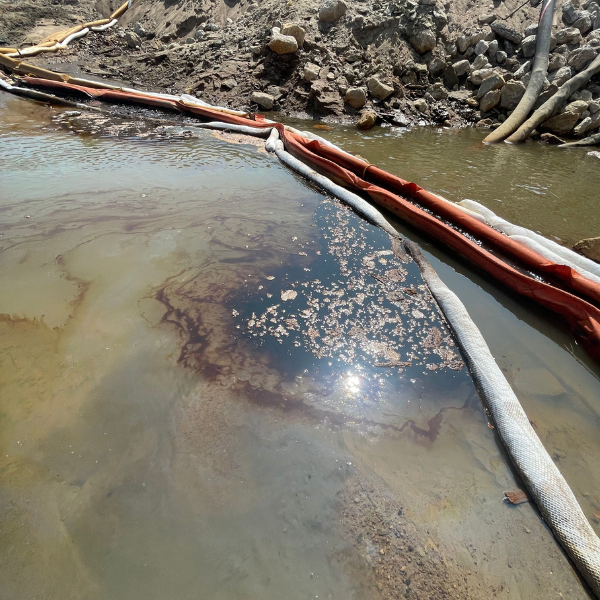
As an Oil Spill Removal Organization (OSRO), ACME can further enhance your response plan by offering a well-organized, rounded, and customized framework tailored to your specific needs. We focus on clearly defining roles and establishing a strong chain of command, ensuring that everyone involved knows their responsibilities and operates within a coordinated system. Our expertise includes implementing effective communication protocols, which are crucial for efficient coordination during emergencies. We prioritize the preparation and deployment of necessary response equipment and personnel while ensuring their safety and safeguarding vulnerable areas. Furthermore, as an OSRO, we help develop monitoring and assessment procedures that assist you in tracking oil spread, evaluating the effectiveness of your response, and making real-time adjustments. By implementing these elements into your response strategy, ACME guarantees a thorough approach to containment, recovery, and cleanup, all while adhering to environmental regulations and best practices. This method delivers a compliant response that truly protects the environment.
To strengthen these capabilities, we conduct hands-on preparedness drills, particularly our Boom School, which simulates real-world spill conditions using our cutting-edge digital tools and field equipment. This training program empowers your team with the knowledge and skills to effectively utilize these tools under pressure, pinpoint weaknesses in response strategies, correctly deploy and manage containment boom, and streamline their efforts. In addition to our digital innovations, ACME supplies and maintains high-performance oil spill response equipment, including containment booms, skimmers, and absorbents, all backed by routine testing protocols to ensure they are always ready for action. Our comprehensive approach ensures that your entire response system, from software to field gear, is prepared and primed for any situation.


Partnering with experts like ACME provides your organization with the tools, support, and knowledge needed to elevate its preparedness levels. ACME’s advanced solutions and tailored response strategies ensure that ports and terminals are always ready to respond effectively to spills, safeguarding both the environment and their operational integrity. By committing to these best practices, ports and terminals can not only comply with regulatory standards but also reinforce their reputation as responsible stewards of the marine environment.
Additional Resources

Posted on: September 11, 2026
What Are Vacuum Truck Services? Some people who need vacuum truck services may never have considered it or may not...
Read More
Posted on: September 1, 2026
Now What? When cleanup crews leave the site and the last bit of impacted soil is “removed”, it’s tempting to...
Read More
Posted on: August 3, 2026
The Cost of Waiting Too Long When an oil or chemical spill occurs, every minute counts. What may begin as...
Read More
Posted on: June 19, 2026
Why Preparation Matters When severe weather strikes, industrial facilities face risks that extend far beyond structural damage and operational downtime....
Read More