


ACME’s Vacuum Truck Services
What Are Vacuum Truck Services? Some people who need vacuum truck services may never have considered it or may not...
Read MoreEnsuring that your company is prepared to respond at any given moment starts with the preparation and equipping of employees with the necessary training, equipment, and experience. An effective response starts with the proper gathering of materials and equipment and the mobilization of personnel. If this first step is skipped or executed ineffectively, this can not only result in an inefficient response but could also affect safety. This very reason is why proper training of employees is a vital component of any business, especially in an industry such as emergency response, where time is of the essence. Employees gaining knowledge of business operations, what materials and equipment are required for a spill, how to use the equipment, and the proper personal protective equipment must be reinforced often to effectively protect the environment and the life that inhabits it.

ACME employees using a drum oil skimmer to clean up a thick oil spill
Here at ACME, we take pride in reinforcing our workforce’s daily task and response capabilities by conducting equipment, deployment, and safety training monthly. By doing so, we are strengthening our employees to perform their work duties with utmost efficiency, effectiveness, and safety. By conducting these trainings, ACME Environmental is also reinforcing its corporate responsibility of protecting the environment. With Boom School happening twice a year, multiple tabletop drills for customers, monthly employee training courses, new equipment training, and soon to be available online training courses for customers, ACME is prepared and helps prepare others for quick, effective, and responsible action to spills.
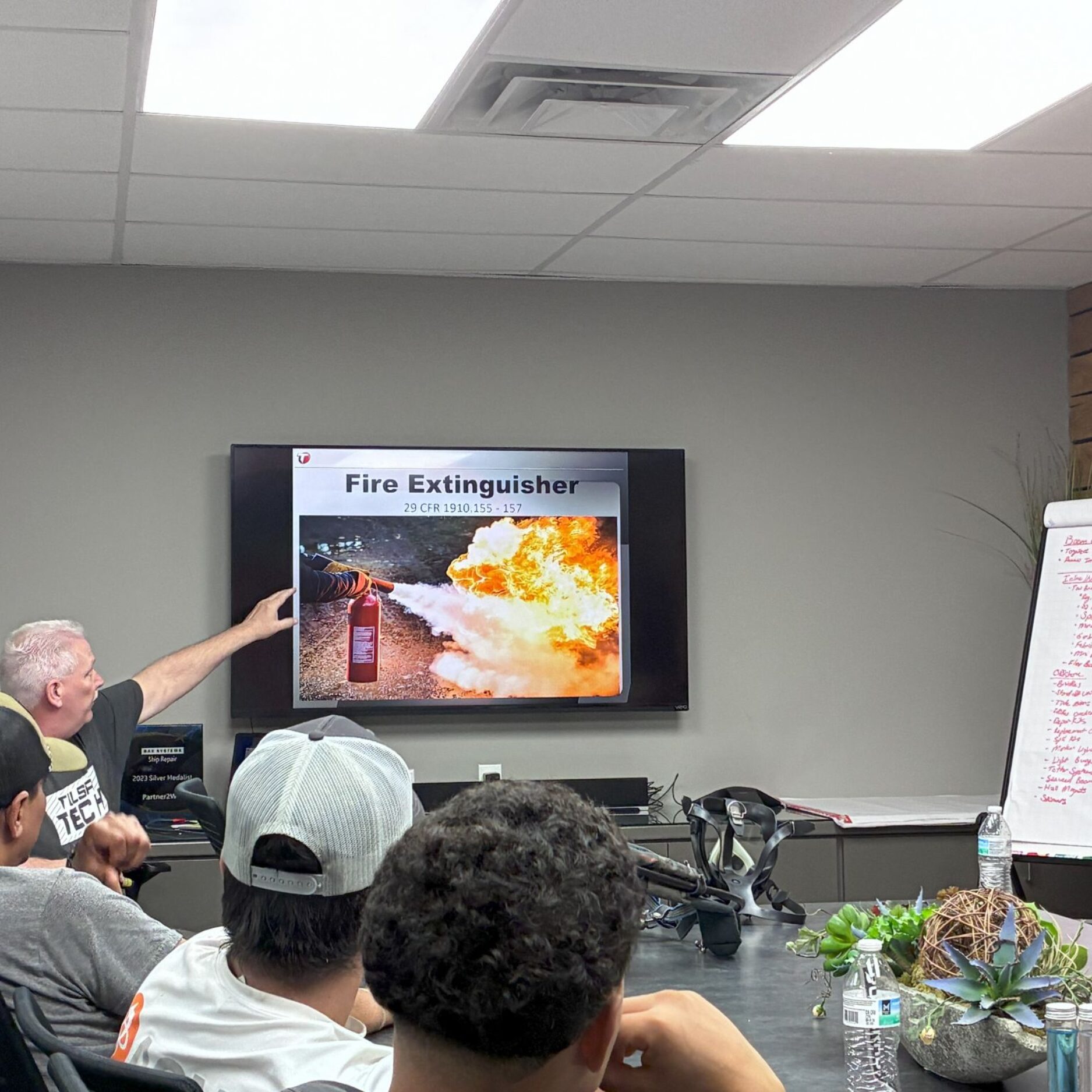
ACME monthly safety training session
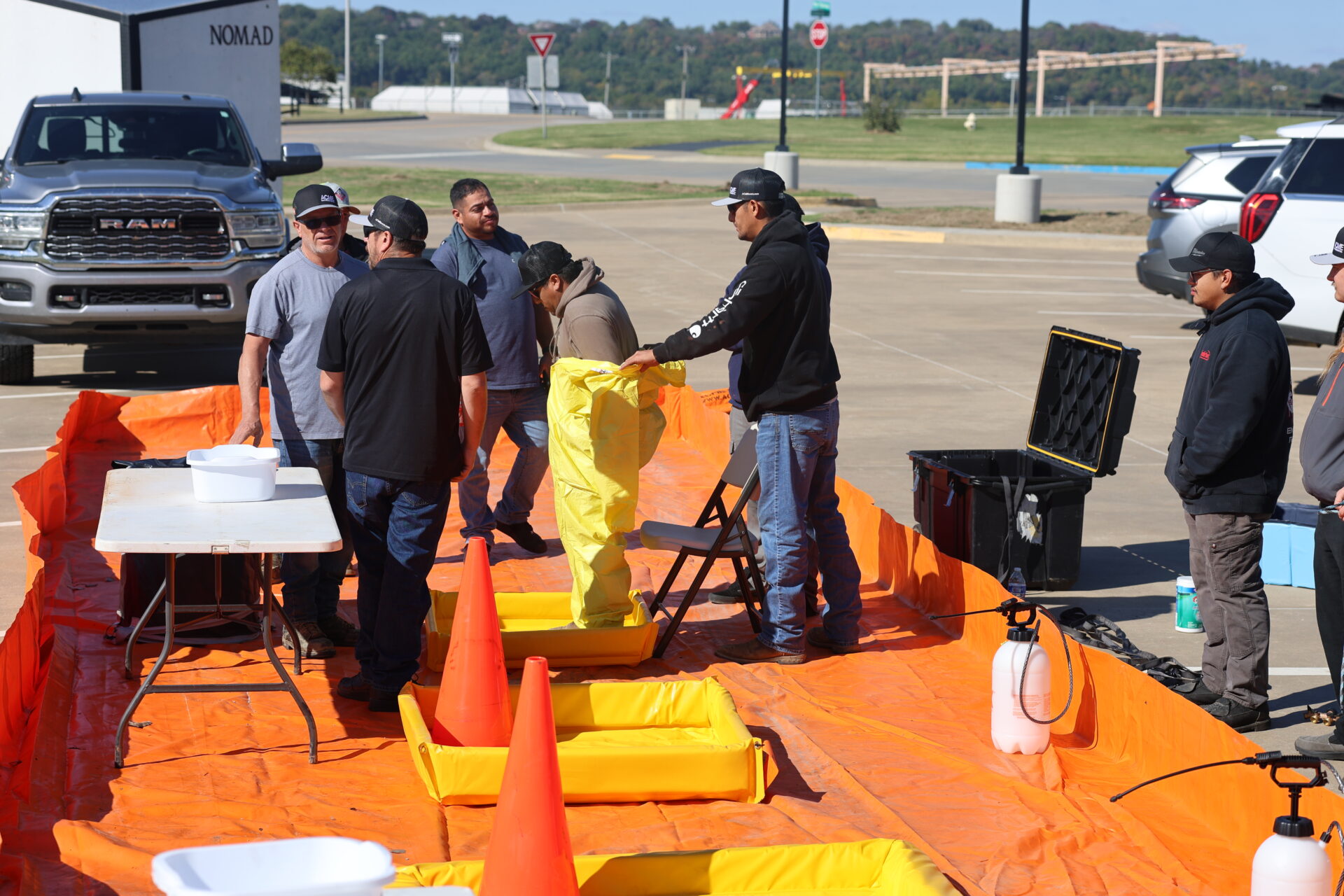
Boom School participants conducting decontamination
Conducting regular drills ensures that response teams are up to speed with response capabilities on an individual level. Refining these capabilities helps eliminate mistakes during response, decreases the time it takes to mobilize, which inevitably increases the productivity, effectiveness, and safety of a response team. Additionally, responders become more experienced and knowledgeable through training, so when they are called to respond to a spill, they are not only confident in themselves, but they are also a trusted resource for their team and company.
When training is no longer a priority, you might as well say the same thing about the safety and effectiveness of your workforce. Skills and knowledge fade over time; that is why reinforcing them often is crucial. An industry is always changing in terms of regulations, technologies, equipment, and best practices. Businesses that do not keep up with these changes run the risk of falling behind and becoming ineffective. When teams are better prepared, they perform faster, safer, and more effectively.
Additionally, a byproduct of regular drills is the reinforcement of communication between response teams, supervisors, and other personnel involved in a response. Communication is required for smooth operation on all fronts of any business, especially within the emergency response industry, where slow responses and delayed mobilization are not an option. A real-life example of communication and training being vital for this industry took place in our most recent Boom School, where participants were learning how to implement a newly learned deployment technique to simulate recovering oil in moving water. This technique is called the “cascading boom deployment method” and requires specific tools, resources, and proper techniques for it to remain effective. If participants were not aware of what was required for this deployment technique beforehand and were told to implement it without any prior training, briefing, or guidance, anchor systems would have been lost because there was not enough rope tied to the end of the boom section to compensate for water depth, people may have been pushed into the current because they were standing on the wrong side of the tension line, boom sections would have been swept away because an anchor system was not deployed correctly, and boats would have been sunk because sufficient boat safety was not learned. If sufficient communication and training took place before mobilization, the response team would know exactly what they need before they leave the shop, how to deploy the boom properly, and how to operate on a boat safely, which would mitigate all risks.
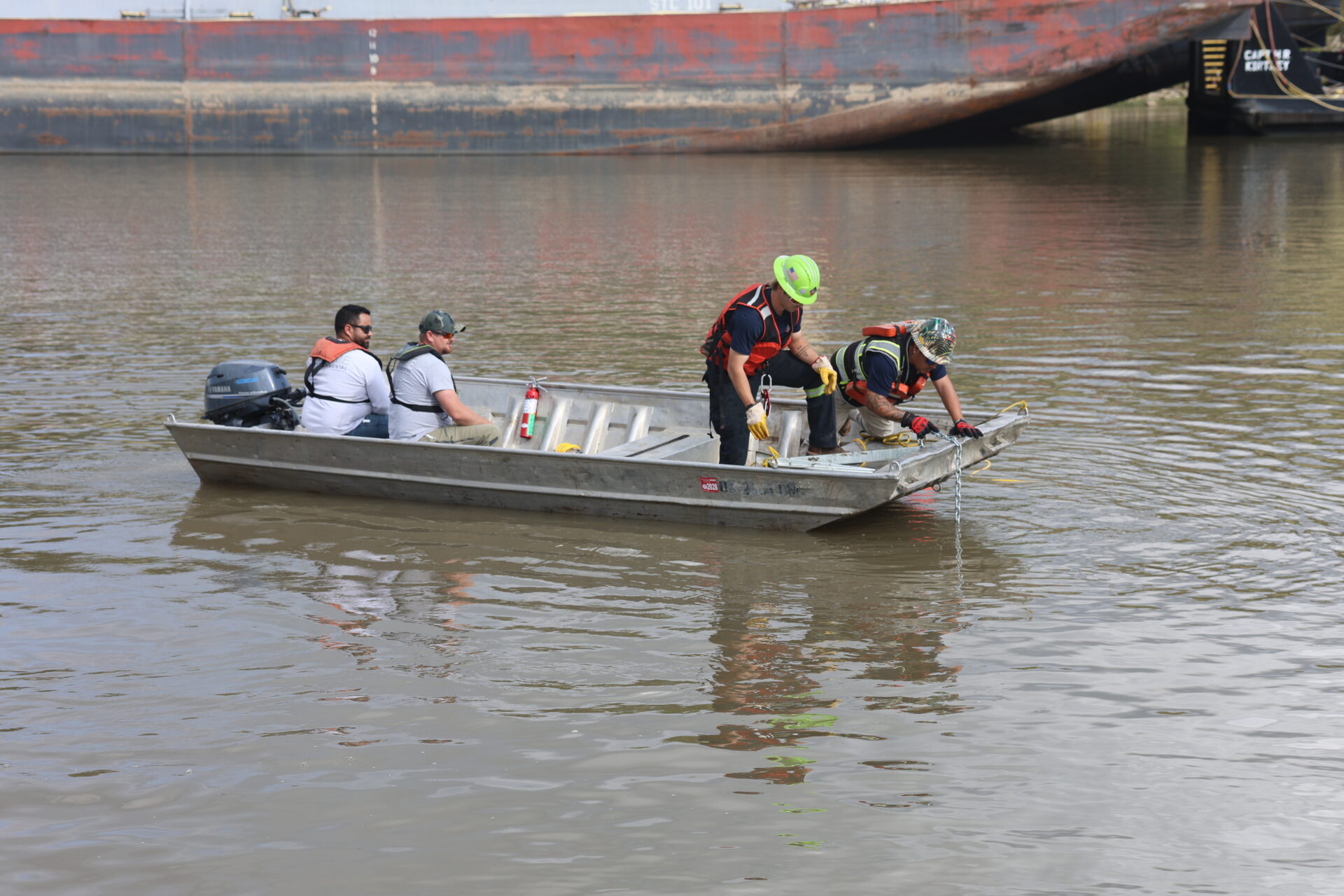
Boom School participants deploying anchor systems
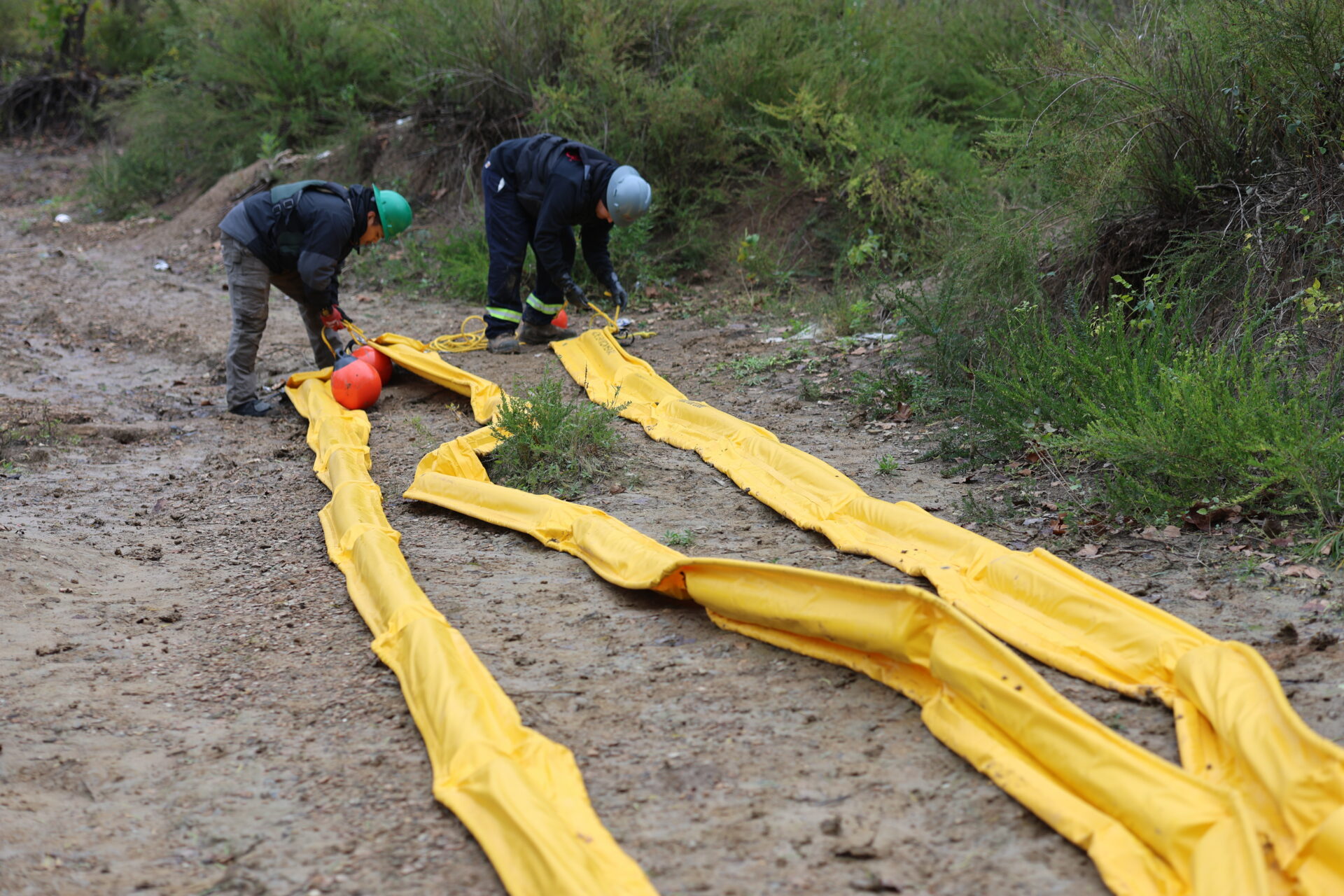
Boom School participants rigging up containment boom sections to be deployed
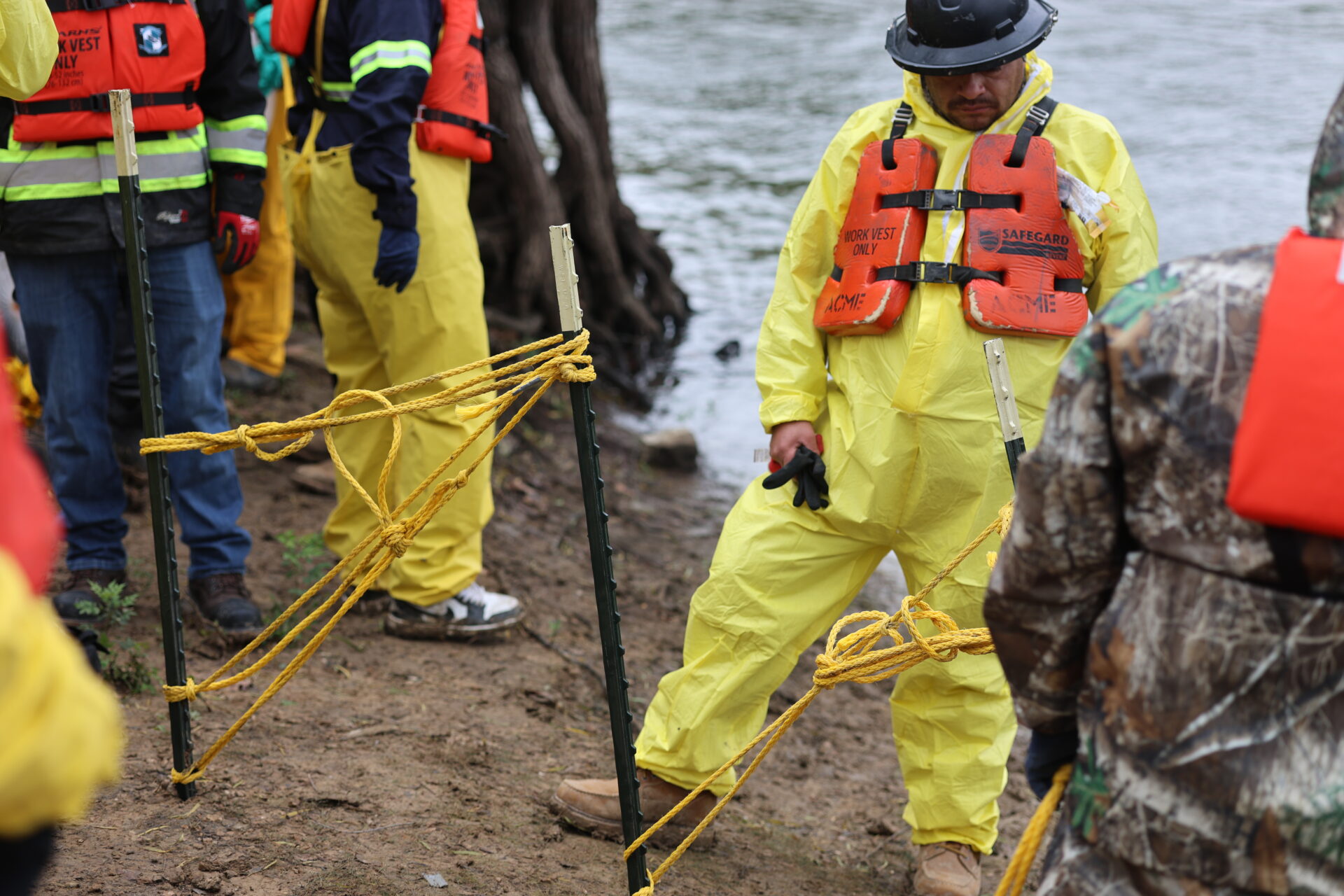
Boom School participants setting up shoreline anchor points
Regular drills play a crucial role in refreshing certifications like HAZWOPER, OSHA, and Swiftwater Technician, ensuring that responders have updated training and remain compliant with regulatory bodies such as the EPA, the Coast Guard, and various environmental quality agencies. This compliance is essential for them to be recognized as capable and qualified for their roles.
The major method that ACME uses to prepare and help others prepare for effective oil spill responses is by conducting our Boom School. Boom School is an immersive course that brings together classroom learning and hands-on field training to prepare responders for real-world spill scenarios using the latest digital technologies, deployment strategies, and incident management systems.
Over four intensive days, Boom School blends classroom learning with realistic, on-the-water training to prepare responders for real spill scenarios. Students begin by learning digital response tools, ICS structure, and the fundamentals of boom deployment before heading into the field for shoreline operations. Training advances to large local rivers, where participants practice cascading boom techniques, midstream anchoring, and simulated containment in strong currents. The final day focuses on safety, with an 8-hour HAZWOPER refresher and a full decontamination setup, teaching students how to protect personnel, manage zones, and prevent cross-contamination. Together, these sessions give responders the practical skills and confidence needed for real-world emergency response.
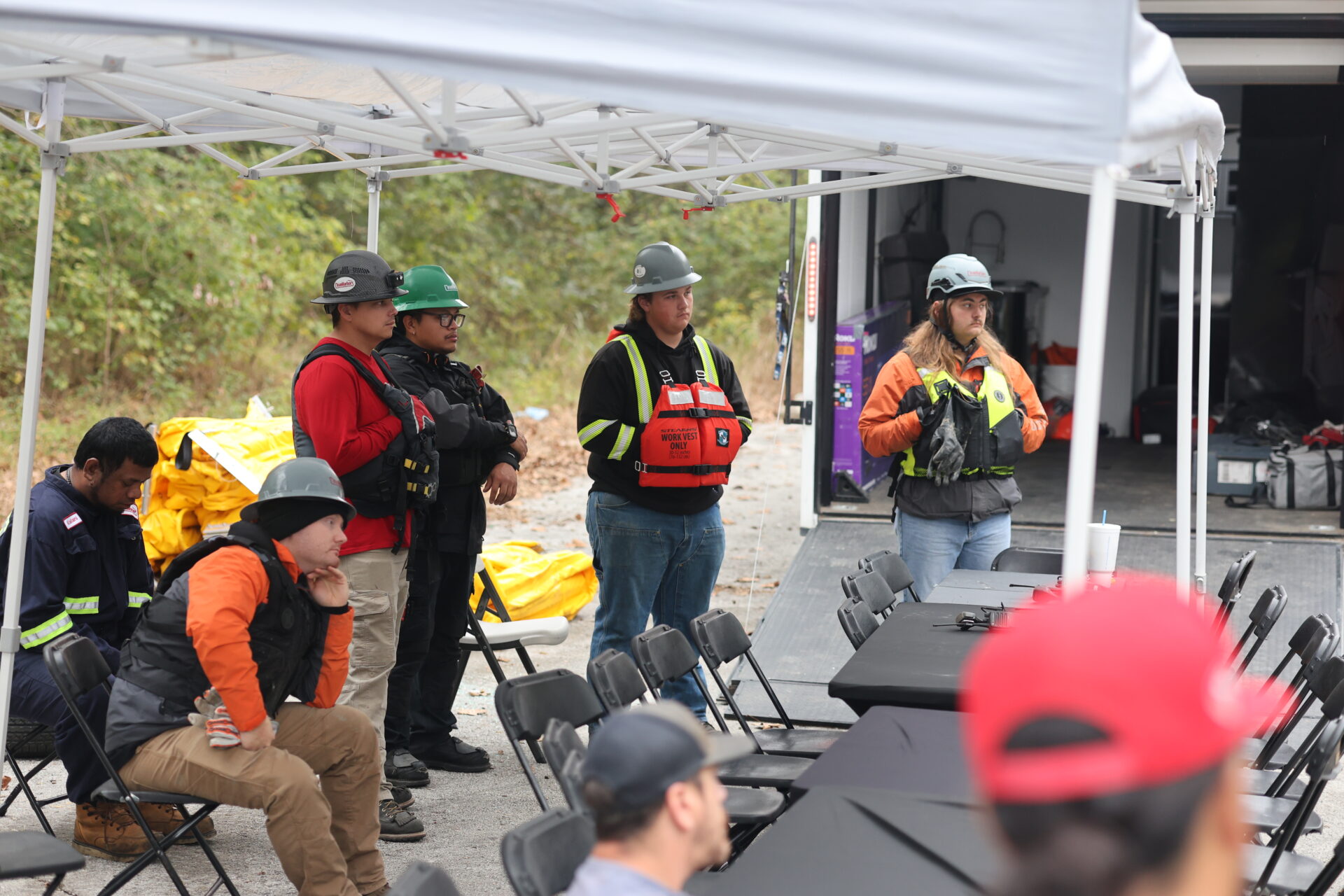
Boom School participants being briefed of operations for the training
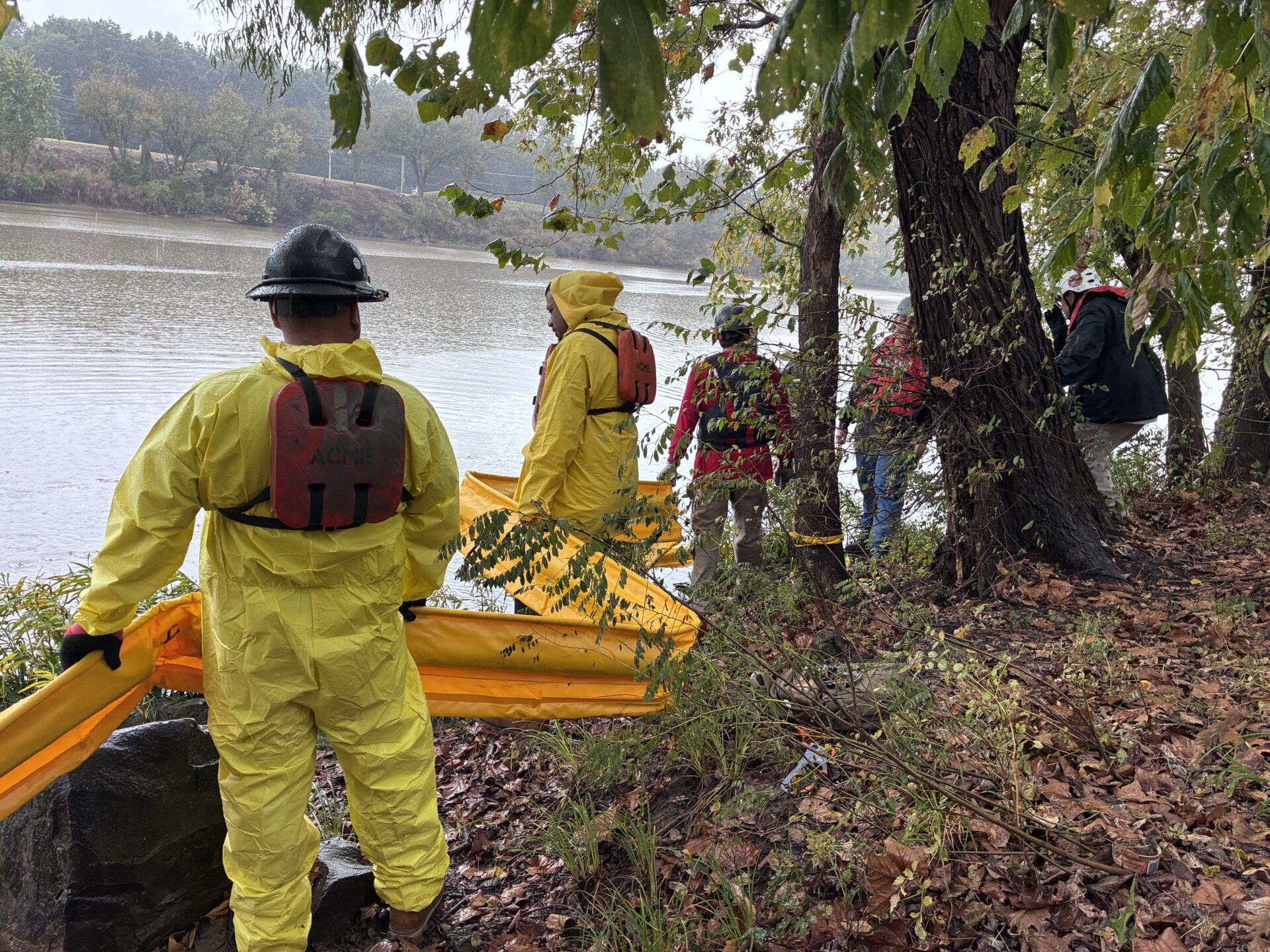
Boom School participants ready to deploy containment boom section
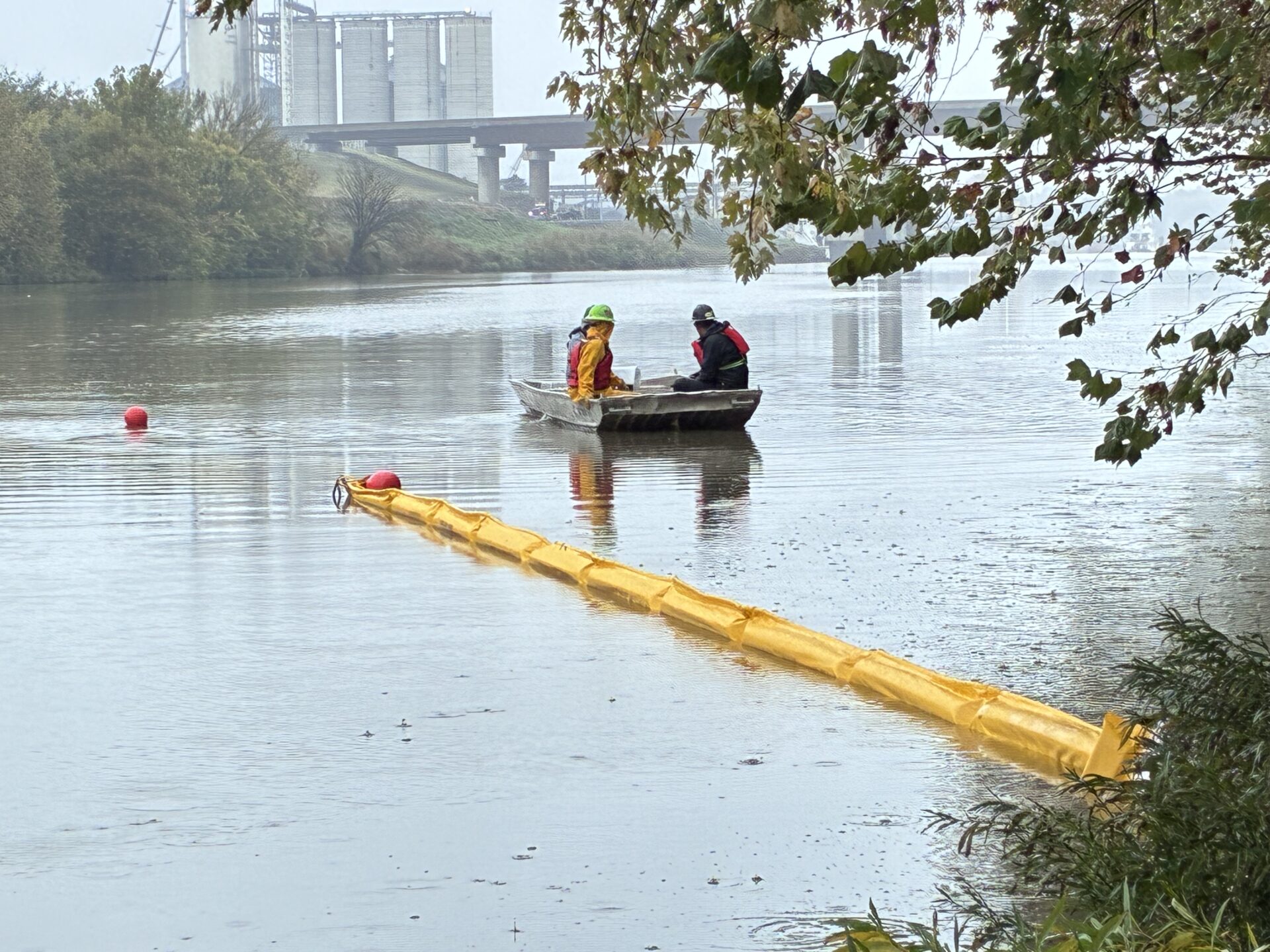
Containment boom section deployed
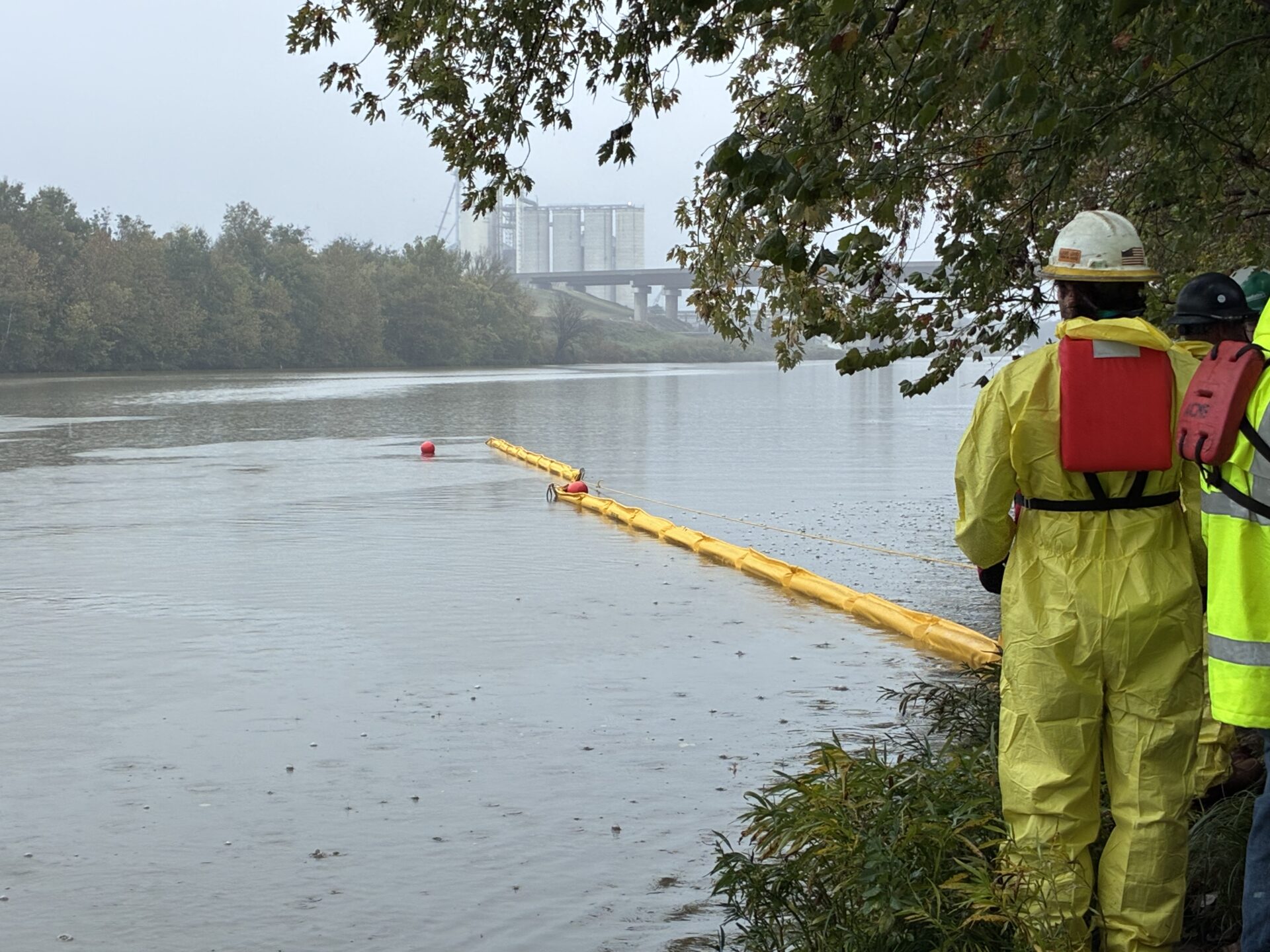
Both containment boom sections successfully deployed during training
ACME Environmental conducts structured tabletop drills that walk our response teams and customers step-by-step through worst-case discharge scenarios at designated locations. These exercises allow us to stress-test existing response plans in a low-risk setting to exploit all weaknesses and vulnerabilities.
During a tabletop drill, teams are guided through evolving spill scenarios, prompting decision-making, resource allocation, communication flow, and role execution. This process helps us understand how a plan performs under pressure and reveals how well-prepared response teams are.
These drills are designed to:
A review of the exercise then takes place, providing a detailed evaluation and recommendations to improve Emergency Response Plans. This approach ensures that response strategies are not only compliant but also effective, realistic, and ready for real-world deployment.
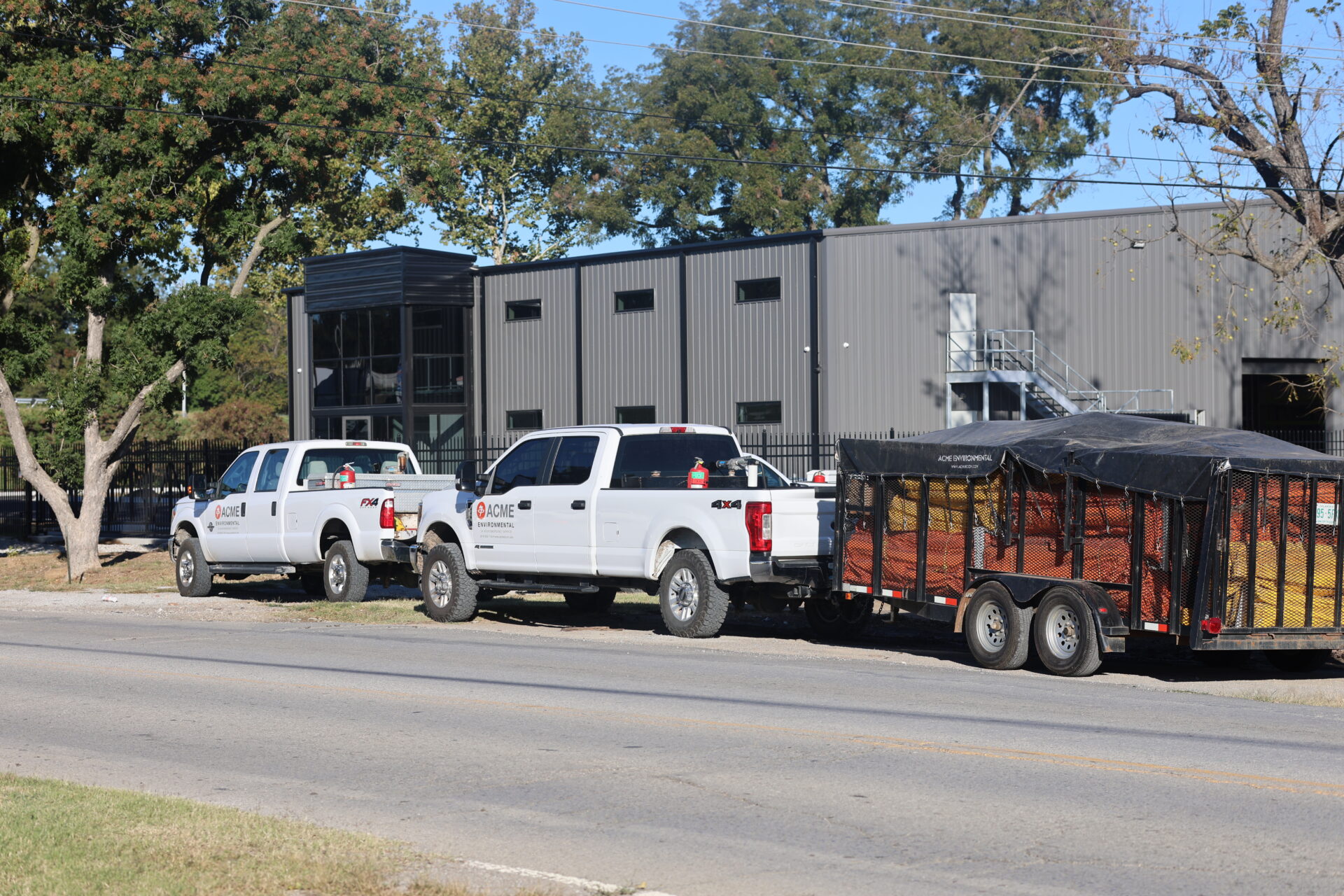
ACME Environmental participating in a tabletop drill for a local customer
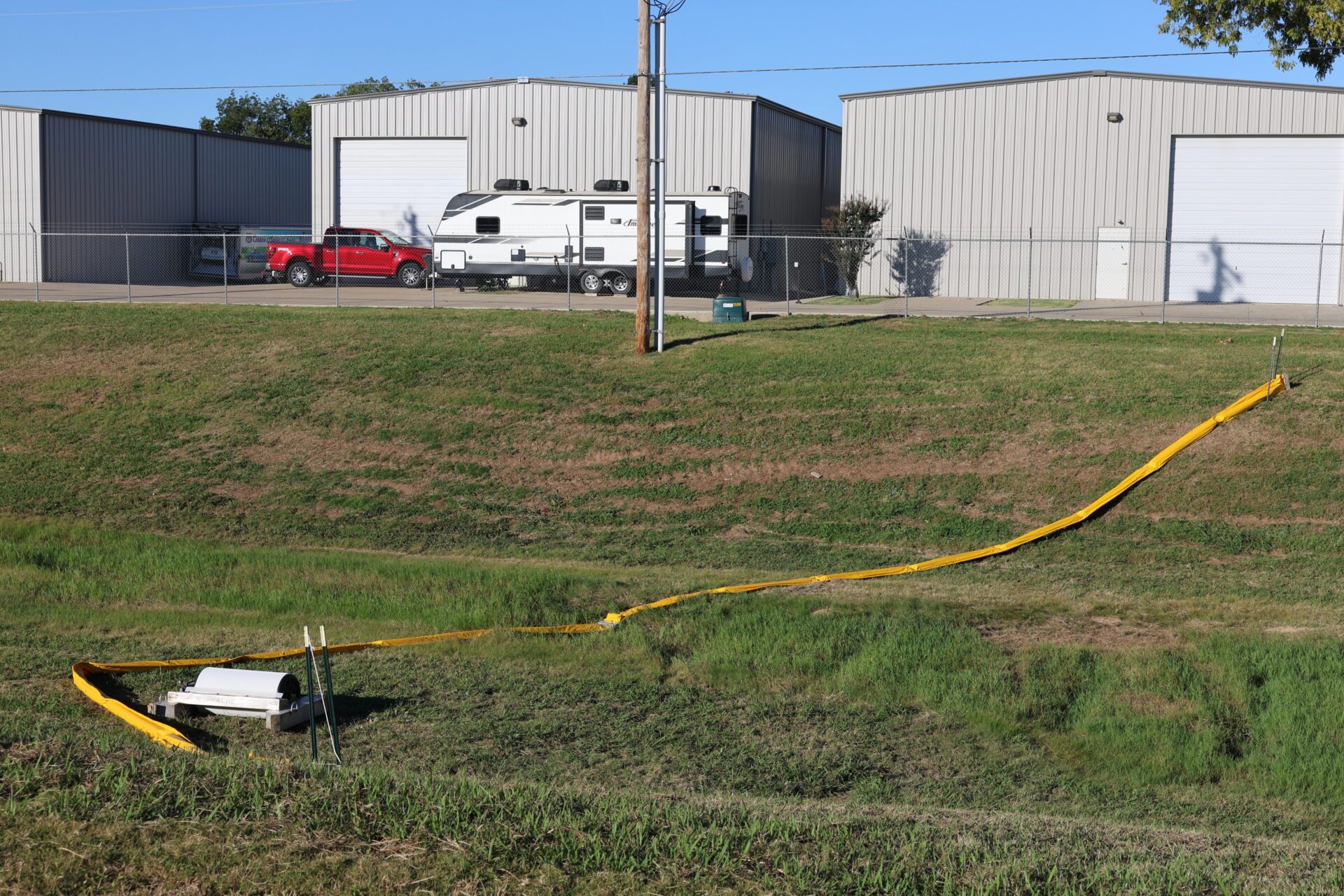
This tabletop drill is simulating a worst-case scenario, and this is a simulated containment strategy, including an oil skimmer and containment boom
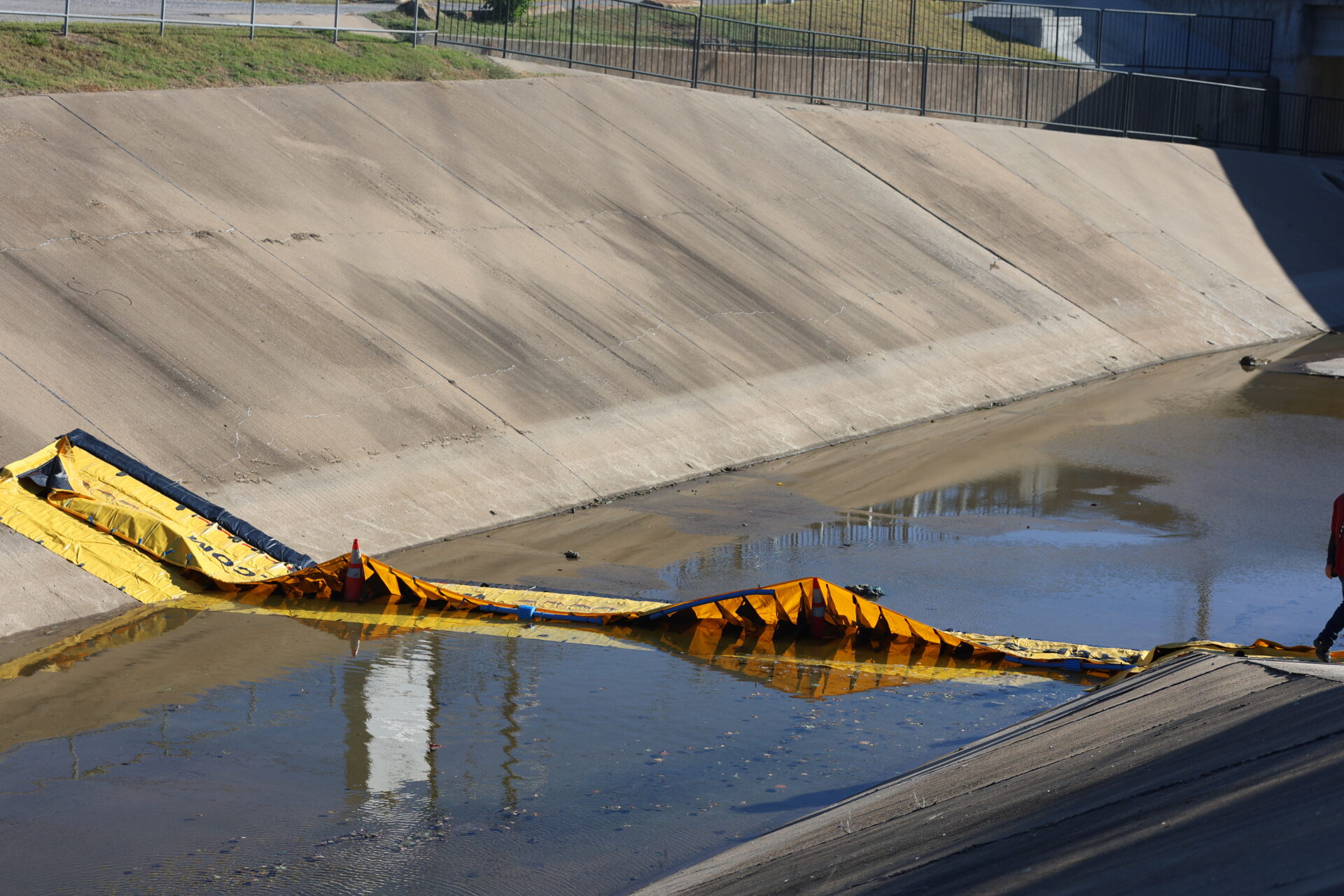
This tabletop drill is simulating a worst-case scenario, and this is a simulated containment strateg,y including a water gate to act as a dam
ACME Environmental takes pride in supporting industry partners by conducting Boom School, table-top drills, and other training courses to ensure that not only our own employees are prepared for the worst, but others are as well. Sharing knowledge, experience, and expertise that makes an industry safer is worth the time, money, and effort.
ACME will continue to focus on progressive improvement and real-world readiness if it means risk is mitigated, protecting communities and the environment. That is why ACME encourages organizations to schedule regular internal training and drills to keep their workforce sharp, capable, and ready to go.
Whether you want to enhance your current response plan, strengthen team communication, or prepare for worst-case scenarios, ACME is here to help. We invite you to join us at our next Boom School (dates TBD) or request onsite training tailored to your facility and risks. We also have new online training programs in development to make preparedness even more accessible (dates TBD).
Preparedness is the strongest defense against environmental damage, operational downtime, and financial impact. Let ACME help you build that defense. Here at ACME, we like to stay ready, so we do not have to get ready.


Additional Resources

Posted on: September 11, 2026
What Are Vacuum Truck Services? Some people who need vacuum truck services may never have considered it or may not...
Read More
Posted on: September 1, 2026
Now What? When cleanup crews leave the site and the last bit of impacted soil is “removed”, it’s tempting to...
Read More
Posted on: August 3, 2026
The Cost of Waiting Too Long When an oil or chemical spill occurs, every minute counts. What may begin as...
Read More
Posted on: June 19, 2026
Why Preparation Matters When severe weather strikes, industrial facilities face risks that extend far beyond structural damage and operational downtime....
Read More