


ACME’s Vacuum Truck Services
What Are Vacuum Truck Services? Some people who need vacuum truck services may never have considered it or may not...
Read MoreOil spills pose serious environmental, regulatory, and reputational challenges. That is why it is crucial for every organization involved in the oil and gas industry, particularly those operating near waterways, to have a solid response plan in place.
Before an oil spill happens, it is crucial to establish clear response protocols that enable swift and effective response efforts. Having the proper oil spill containment equipment readily available is equally important to ensure successful oil spill cleanup efforts. Responding to an oil spill is not optional; it is federally mandated for protecting our environment and preserving marine ecosystems. The party responsible for the oil spill is both legally and ethically obligated to act quickly and take immediate action once the incident occurs.
With the proper oil spill equipment on hand, such as oil spill containment boom, oil skimmers, and oil spill sorbent materials, responders can mitigate the impact of the oil spill and execute efficient cleanup operations. Understanding the importance of this task often means partnering with an oil spill cleanup company that can aid in response efforts, supply the needed oil spill containment, and offer expert training for responders on deploying the oil spill cleanup equipment.
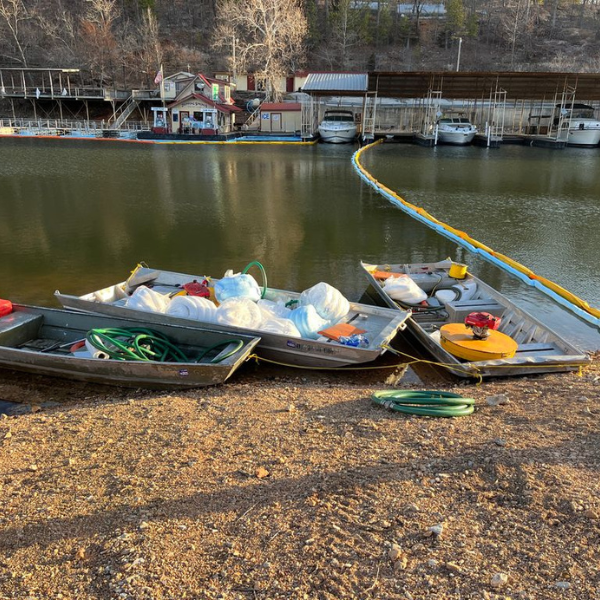
ACME response boats and oil spill response equipment ready for a spill response
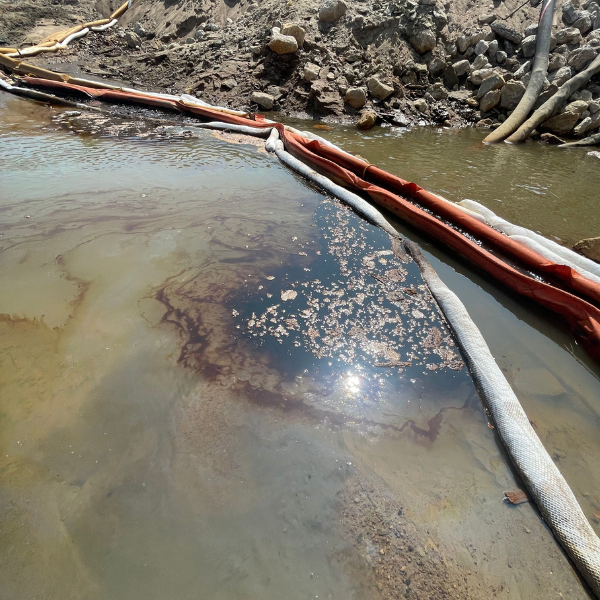
Containment boom and absorbent boom blocking oil from reaching shore
Environmental agencies such as the Environmental Protection Agency (EPA) and the United States Coast Guard (USCG) have enforced strict regulations on companies in the oil and gas industry for decades now to mitigate oil spills from occurring. For example, the Oil Pollution Act of 1990 (OPA 90) was passed after the destruction the Exxon Valdez disaster caused. This act was created and enforced to strengthen preparedness and liability standards in the oil and gas industry. Under OPA 90, the party responsible is liable for oil containment, oil spill cleanup, restoration, and financial damages.
Additional regulations from the EPA, USCG, and local agencies require facilities to develop and maintain a Facility Response Plan (FRP), implement a Spill Prevention, Control, and Countermeasure Plan (SPCC), conduct regular spill drills, and work with a certified Oil Spill Removal Organization (OSRO), such as ACME Environmental. Ethical responsibility also plays a role. Beyond legal obligations, companies must take proactive steps to protect public waterways, marine life, and nearby communities. Partnering with a trusted oil spill response company ensures that environmental protection and regulatory compliance go hand in hand.
For companies operating in the oil and gas industry, aligning with a trusted oil spill response company is essential, not just for environmental protection but also for regulatory compliance. ACME Environmental, certified with OSRO #0010, is recognized by the U.S. Coast Guard (USCG) as a qualified Oil Spill Removal Organization (OSRO), making it a dependable partner in meeting the strict requirements of laws such as the Oil Pollution Act of 1990 (OPA 90) and the Clean Water Act.

ACME employee using oil drum skimmer to clean up a thick oil spill

Oil containment boom deployed by students at our Boom School

Students conducting a containment boom deployment drill at our Boom School

Students preparing for containment boom deployment drill at Boom School
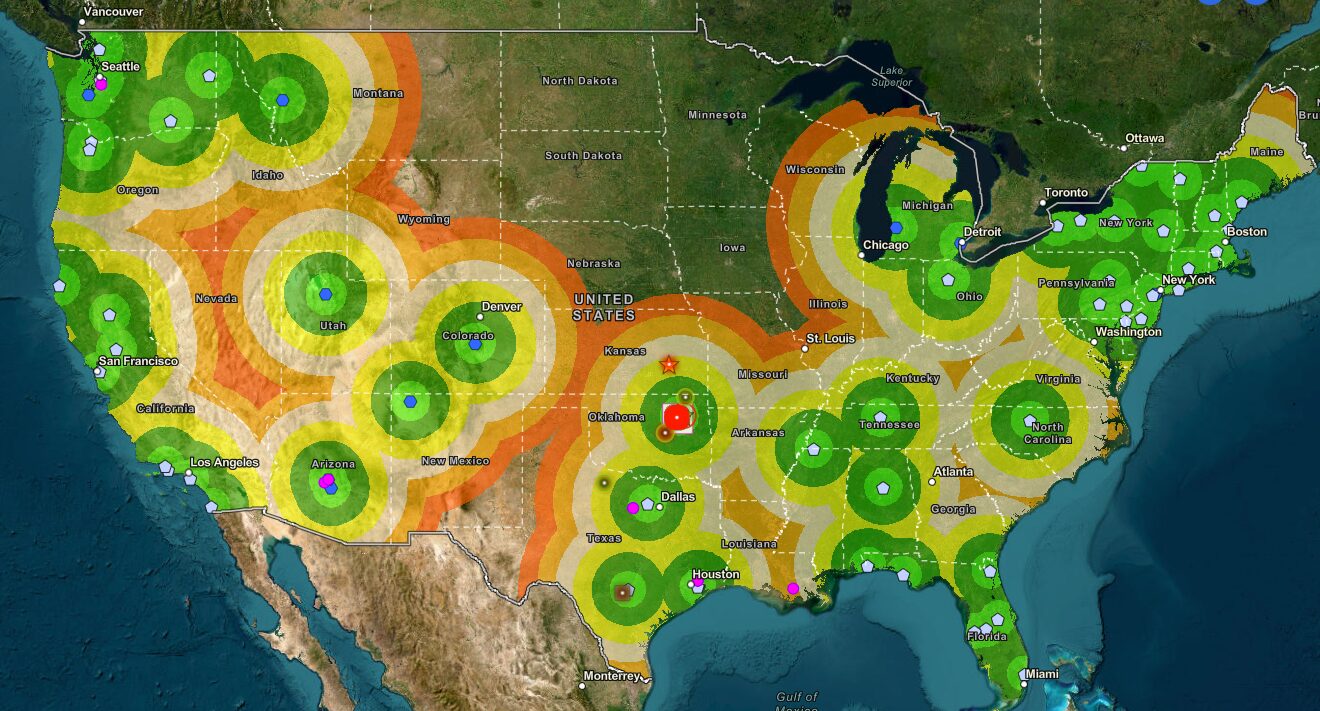
Map showing regional coverage of all ACME Co-Op members
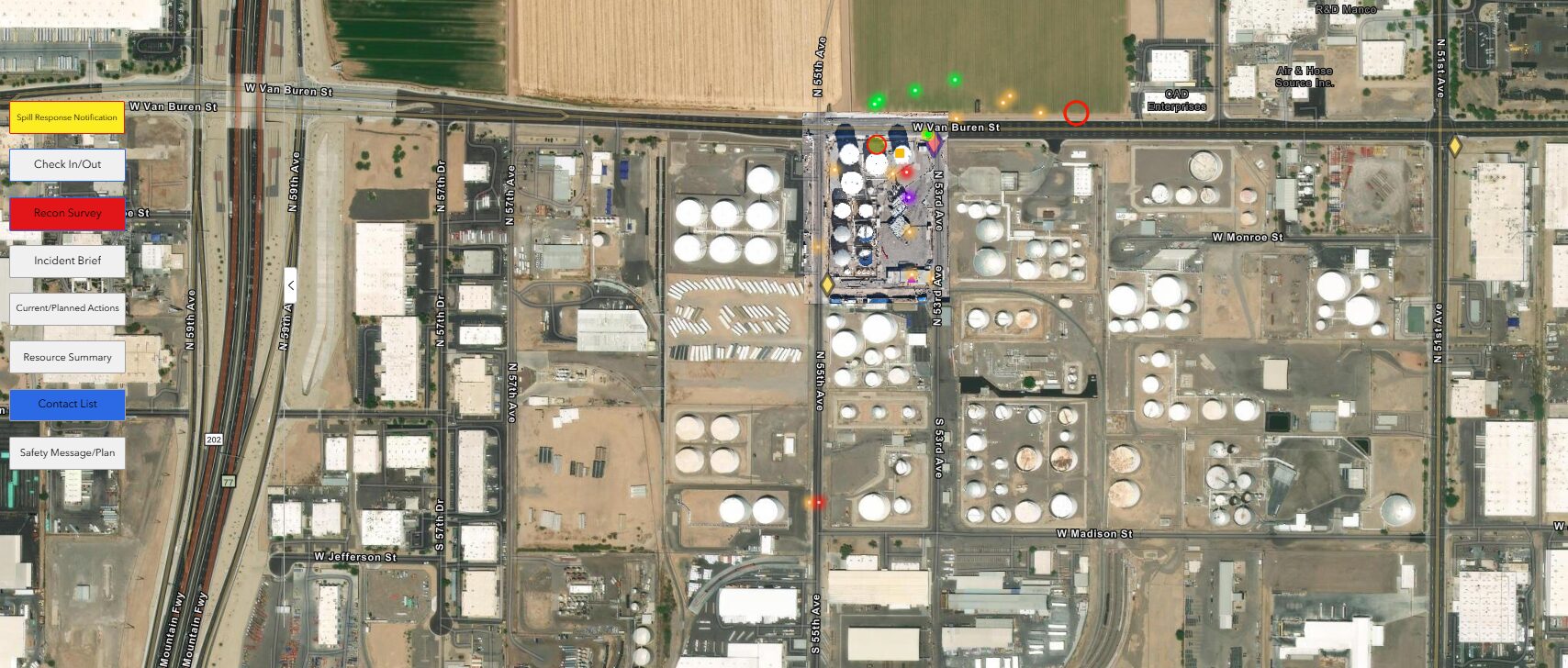
Real-time digital response dashboard for customer

3D floor plan for customer facility showing all important entrances, exits, and emergency equipment
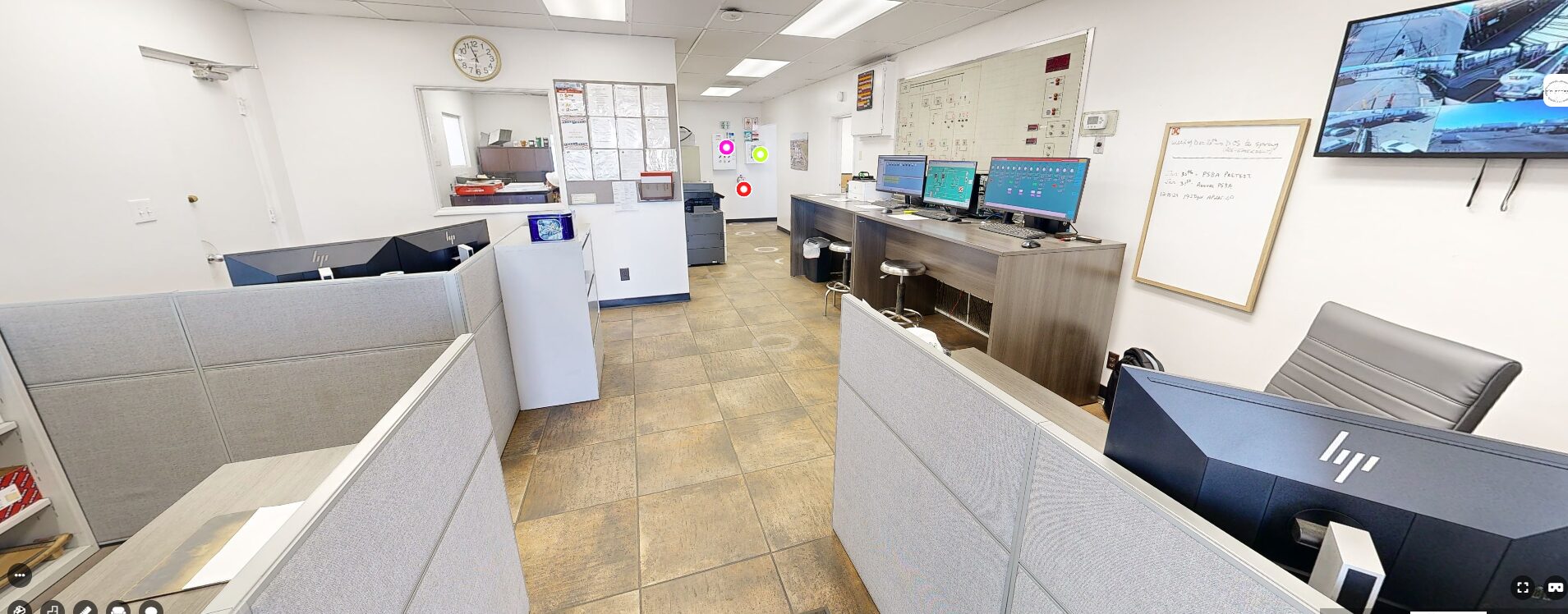
First-person view of customer office building
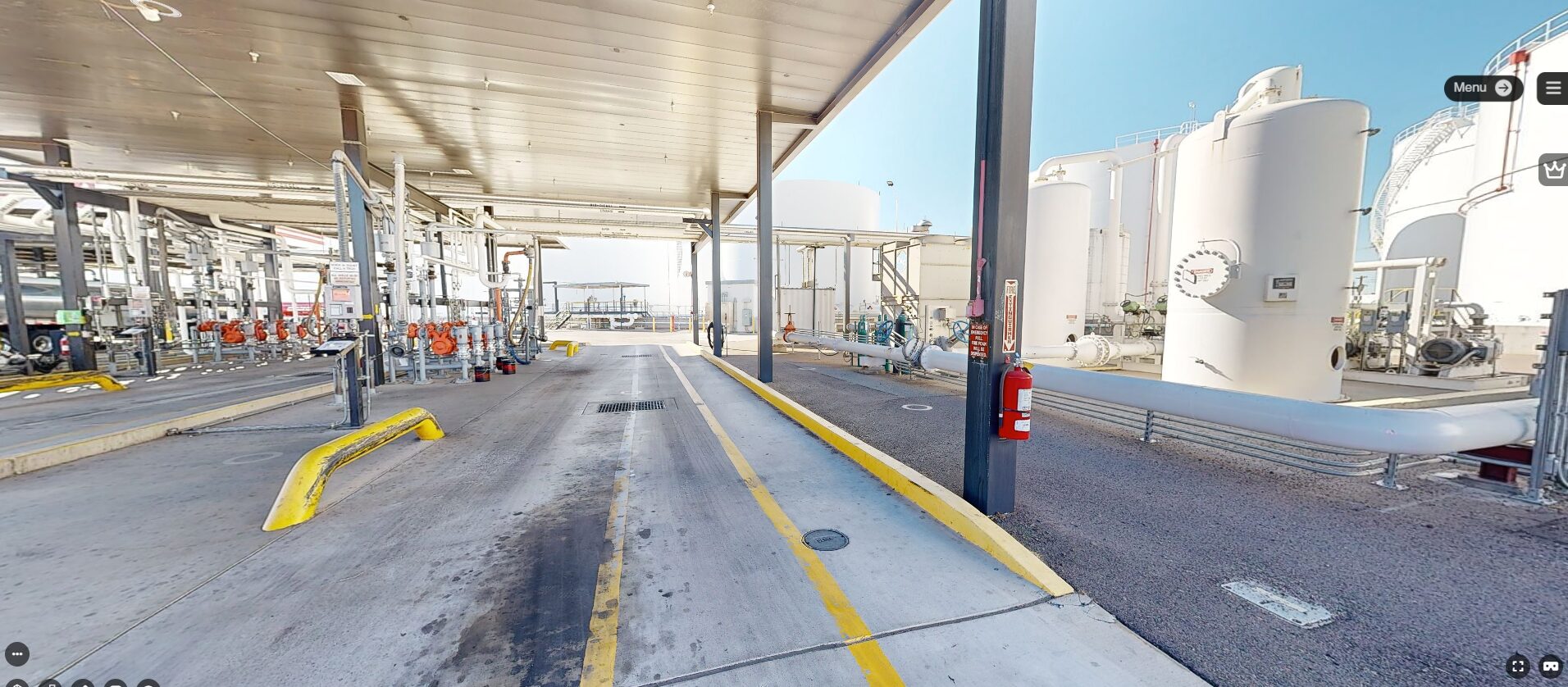
First-person view of customers semi-truck loading rack
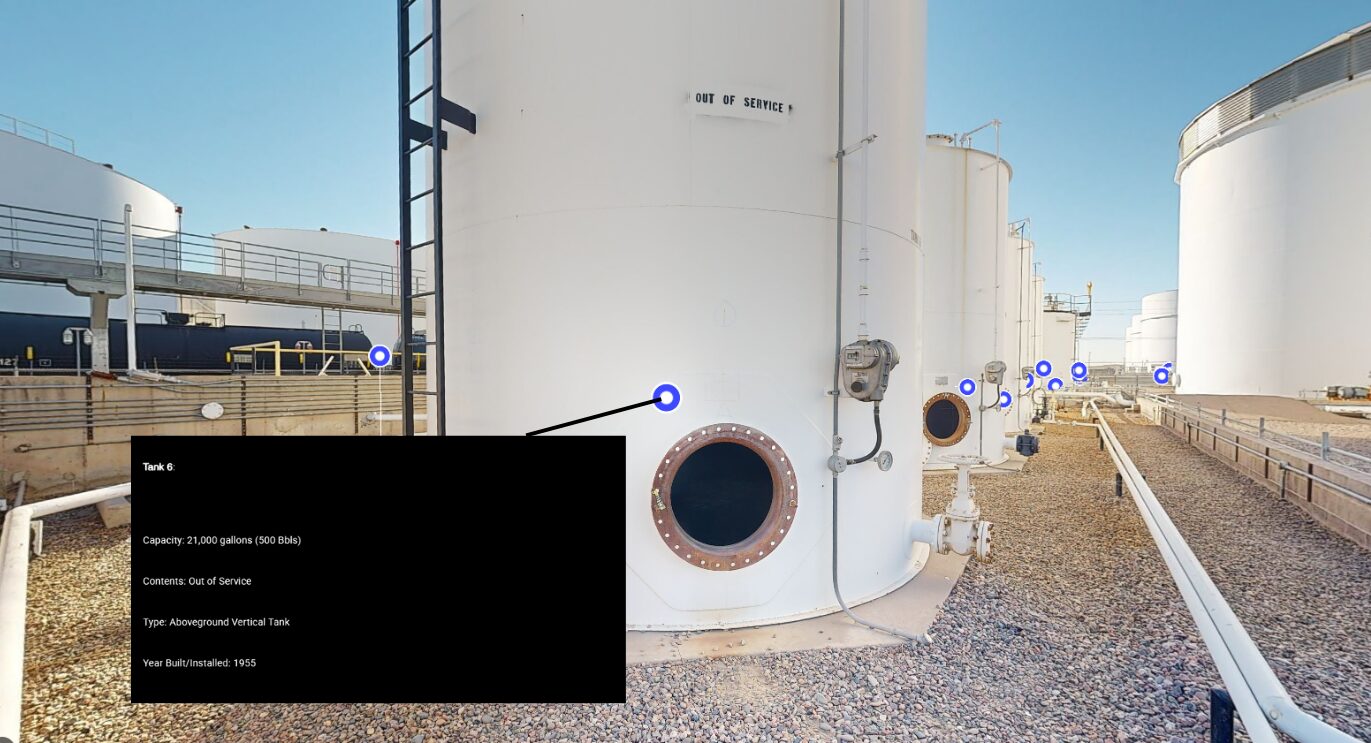
Tank-specific details are shown when you click on a tank
When it comes to oil spill response, compliance, and environmental protection, ACME Environmental (OSRO #0010) is the partner you can trust. With decades of experience, ACME offers more than just equipment; we provide expert planning, EPA/USCG/OPA 90-compliance, and innovative tools like digital response dashboards and 3D modeling.
From oil containment boom to trained responders and real-world oil spill response training, ACME ensures you are fully prepared to meet regulatory requirements and respond fast. Whether you are building your FRP or running a drill, ACME helps you stay compliant, confident, and ready.
Contact ACME today, your trusted OSRO for complete oil spill response preparedness.
Here are some articles that you may find interesting:


Additional Resources

Posted on: September 11, 2026
What Are Vacuum Truck Services? Some people who need vacuum truck services may never have considered it or may not...
Read More
Posted on: September 1, 2026
Now What? When cleanup crews leave the site and the last bit of impacted soil is “removed”, it’s tempting to...
Read More
Posted on: August 3, 2026
The Cost of Waiting Too Long When an oil or chemical spill occurs, every minute counts. What may begin as...
Read More
Posted on: June 19, 2026
Why Preparation Matters When severe weather strikes, industrial facilities face risks that extend far beyond structural damage and operational downtime....
Read More