


ACME’s Vacuum Truck Services
What Are Vacuum Truck Services? Some people who need vacuum truck services may never have considered it or may not...
Read MoreWhen severe weather strikes, industrial facilities face risks that extend far beyond structural damage and operational downtime. Hurricanes, floods, wildfires, and tornadoes can compromise storage tanks, pipelines, transfer systems, and containment infrastructure, creating conditions that can lead to oil and chemical releases into the surrounding environment.
While many organizations invest in some form of emergency preparedness, spill response planning is often treated as a reactive measure rather than a proactive strategy. The reality is that the most successful spill responses begin long before an incident occurs. By developing response plans, staging oil spill equipment, and training personnel, facilities can significantly reduce environmental impacts, regulatory liability, and recovery costs.
Natural disasters are unpredictable, but your response strategy doesn’t have to be. Whether you’re preparing for hurricane season, evaluating flood risks, staging water containment systems to fight wildfires, or strengthening your facility’s emergency response capabilities, ACME Environmental can help. From oil spill containment boom systems to emergency response planning, digital situational awareness tools, and 24/7 spill response services, our team provides the expertise and resources needed to protect your operations, your community, and the environment. Contact ACME Environmental today to discuss your facility’s preparedness plan and ensure you’re ready before the next disaster arrives.
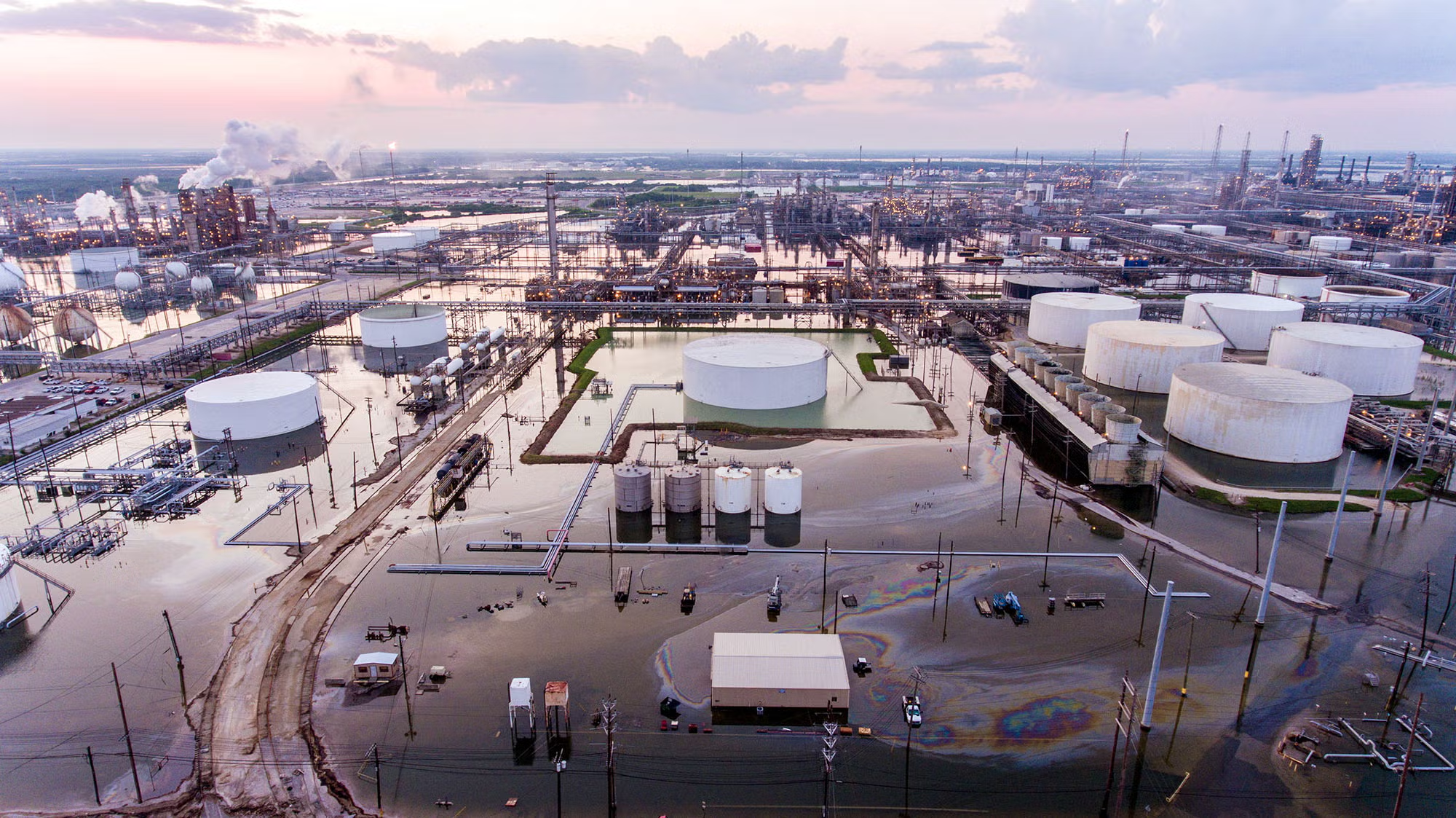
A refinery that was flooded by a natural disaster (hurricane)
There are many natural disasters that can strike a facility, but the most common are hurricanes and torrential rains. Floodwater and storm surges have the potential to displace storage tanks, damage containment systems, erode protective barriers, and spread hazardous materials far beyond a facility’s boundaries. According to the U.S. Environmental Protection Agency (EPA), severe weather events can result in the release of oils, fuels, chemicals, and other contaminants into the environment when industrial infrastructure is compromised.
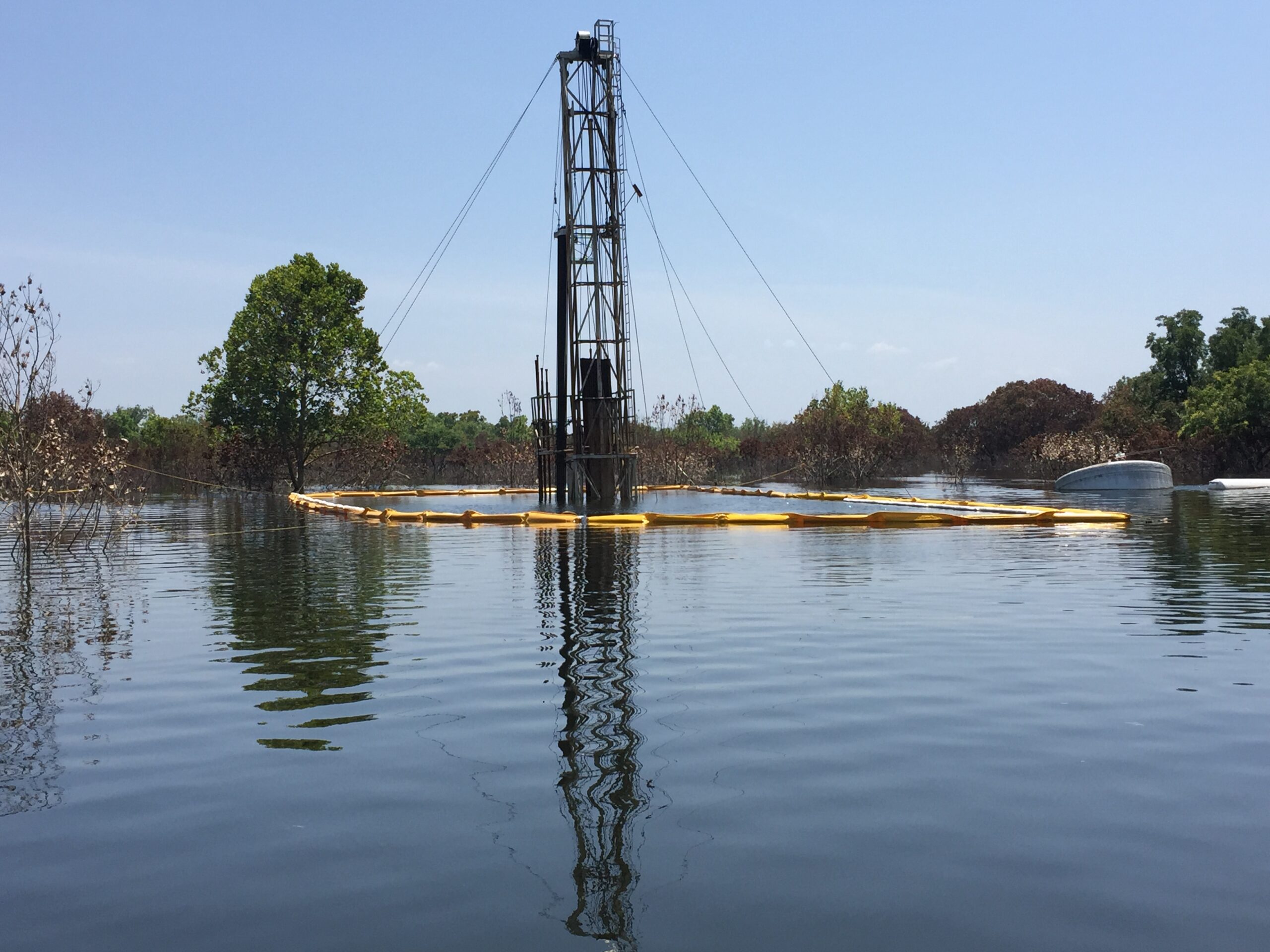
A flooded oil rig surrounded by oil spill containment boom
For facilities located near rivers, lakes, wetlands, ports, or coastal environments, the risks associated with natural disasters are even greater. Once oil, fuel, or other contaminants enter a waterway, they can spread quickly, impacting sensitive wildlife habitats, public infrastructure, drinking water sources, and neighboring properties. In many cases, the environmental consequences of a spill continue to grow long after the storm itself has passed, increasing cleanup complexity, regulatory scrutiny, and overall response costs.
Containment boom and oil skimmers deployed to prevent spread of oil on water surface
At ACME Environmental, we have seen firsthand how quickly an environmental incident can escalate into an environmental disaster. Through our experience supporting major hurricanes along the Gulf Coast, responding to flooding events, and assisting with storm-related contaminant releases, we have found that proactive planning remains one of the most effective ways to minimize environmental damage, reduce operational downtime, and limit regulatory and financial liability. Learn more about our emergency spill response capabilities.
When most organizations think about natural disaster preparedness, hurricanes and flooding are often the first threats that come to mind, and for good reason. These events have historically caused billions of dollars in damage to industrial infrastructure and have been responsible for some of the most significant environmental releases in recent history. However, focusing solely on hurricanes and floods can leave facilities vulnerable to a wide range of other natural disasters capable of causing equally devastating consequences.
Tornadoes, wildfires, severe wind events, and other natural hazards can also damage storage tanks, pipelines, transfer systems, and containment infrastructure with little to no warning. The result can be operational disruptions, costly cleanup efforts, regulatory scrutiny, and environmental releases that threaten nearby communities and sensitive ecosystems. Effective emergency preparedness requires facilities to look beyond the most common threats and develop comprehensive response strategies that address a variety of disaster scenarios. By understanding these risks and planning accordingly, organizations can improve resilience, reduce liability, and protect both their operations and the environment when disaster strikes.
Tornadoes can cause catastrophic damage in a matter of seconds. High winds, flying debris, and structural failures can rupture storage tanks, damage loading racks, sever pipelines, and compromise containment systems. Even facilities located outside traditional tornado-prone regions may experience severe wind events capable of creating significant environmental risks. In many cases, access roads, utilities, and communications systems may also be impacted, making response efforts more challenging and increasing the importance of having containment equipment and response plans in place before an event occurs.
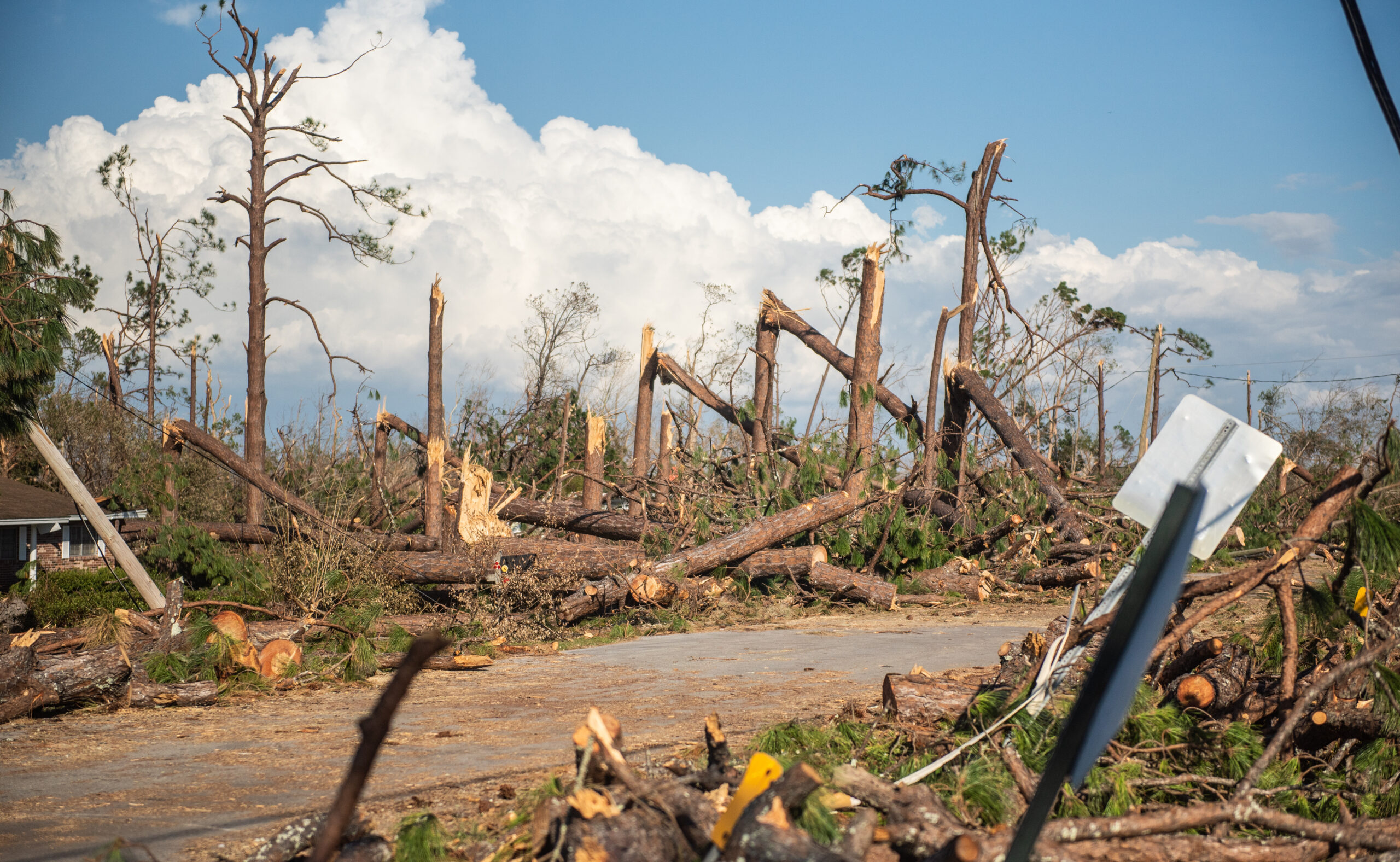
Damage done by strong winds from a tornado
To help facilities prepare for and respond to tornado-related incidents, ACME Environmental offers a comprehensive range of containment and emergency response solutions. Secondary containment systems can help reduce the risk of contaminant spread if primary storage infrastructure is damaged, while strategically staged containment booms and absorbent materials allow responders to quickly contain releases before they reach nearby waterways or stormwater systems.
ACME’s Perma Boom is also a great solution for debris control. Engineered for long-term deployment in demanding environments, its rugged construction is designed to withstand harsh weather, fluctuating water conditions, and continuous exposure to the elements. This durability makes it an ideal choice for facilities seeking reliable protection against floating debris before, during, and after severe weather events.
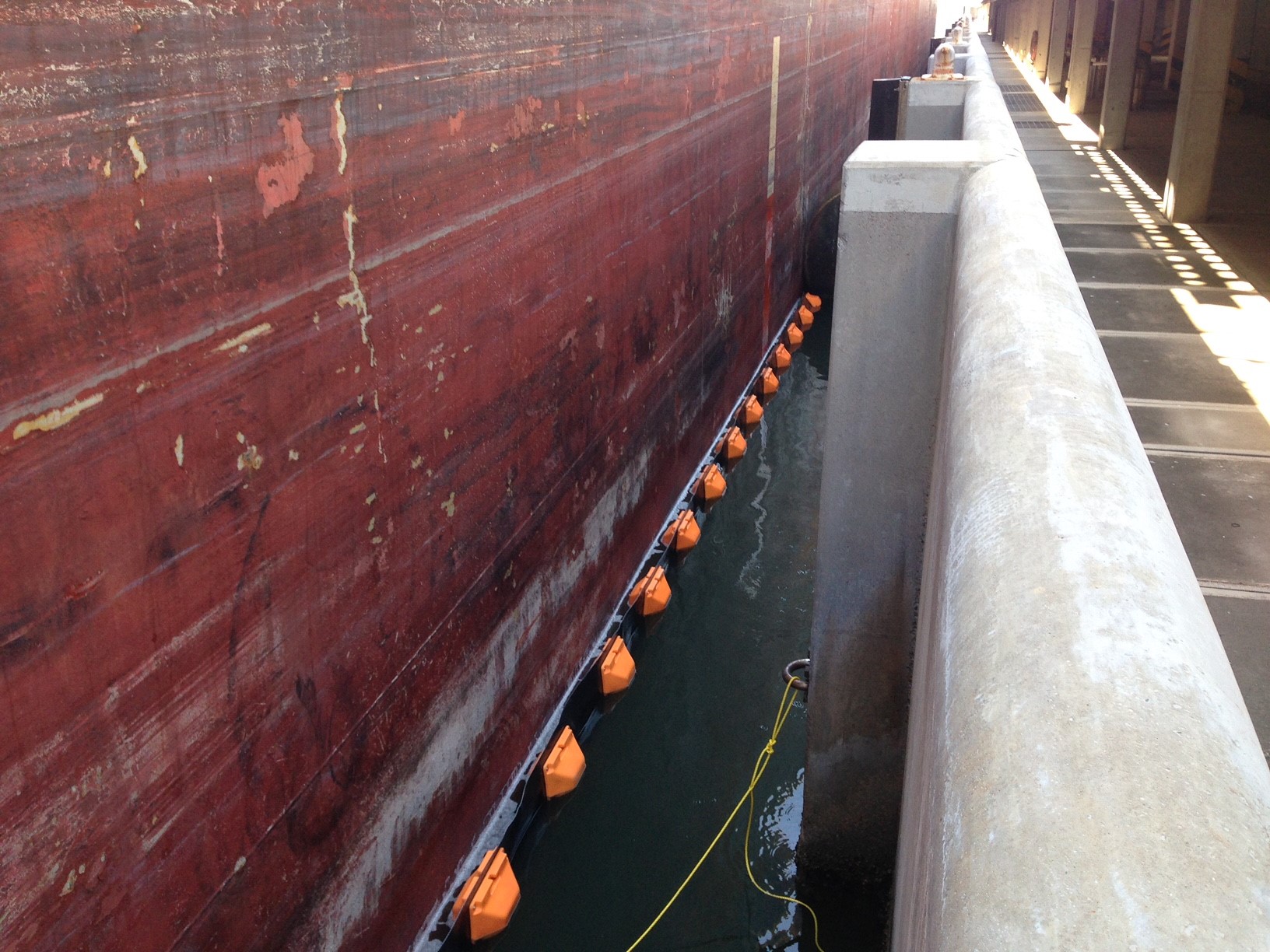
Perma Boom deployed between a ship and docking station
In the aftermath of a tornado, rapid situational awareness is critical. ACME’s digital response tools, including RapidmapS and drone-based technology, provide real-time mapping, damage assessments, and resource tracking to help responders quickly identify impacted areas and prioritize response actions. Combined with ACME’s 24/7 spill response capabilities, upcoming vacuum truck services, environmental remediation expertise, and nationwide network of response resources, facilities can significantly reduce environmental impacts and accelerate recovery following a severe weather event. The key is having a plan, equipment, and response partner in place before disaster strikes. Learn more about our digital tools and capabilities in this article.
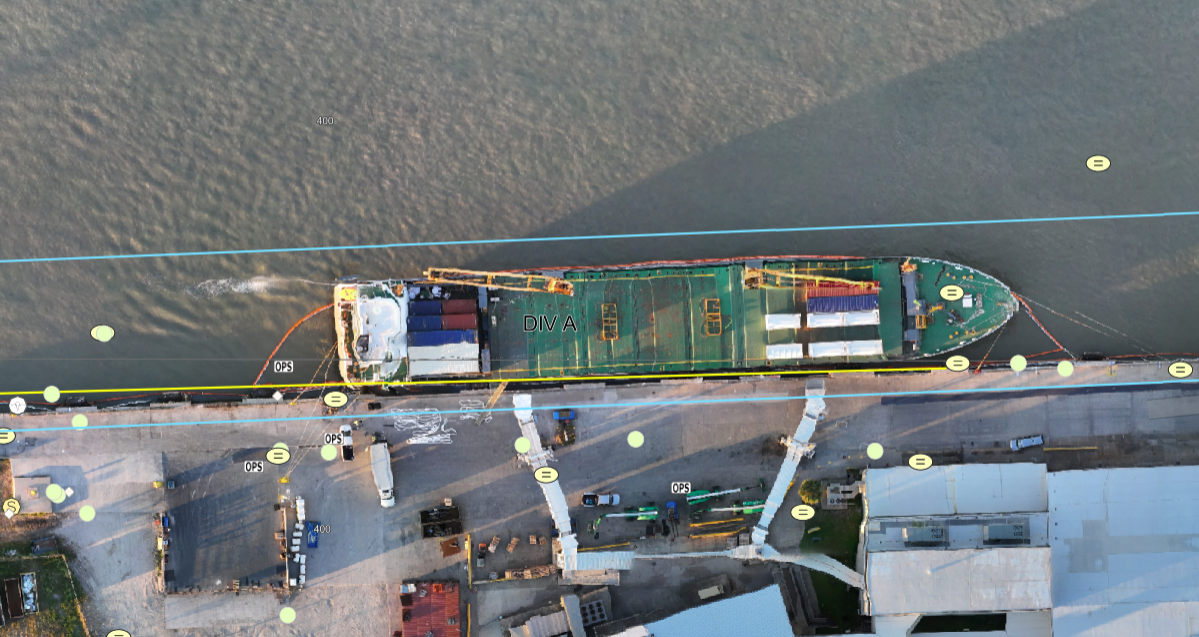
Birds-eye view of an ongoing spill caused by a cargo ship scrapping its oil reserves against the dock
Wildfires present a growing threat to industrial facilities across the country. Beyond the immediate risk of fire damage, wildfires can compromise fuel storage areas, electrical infrastructure, transfer systems, and containment structures. Extreme heat can weaken tanks and piping, while firefighting efforts and runoff can transport contaminants into nearby waterways and drainage systems. As a result, facilities located in wildfire-prone areas should consider not only fire prevention measures, but also how they will contain and respond to potential releases resulting from fire-related damage.
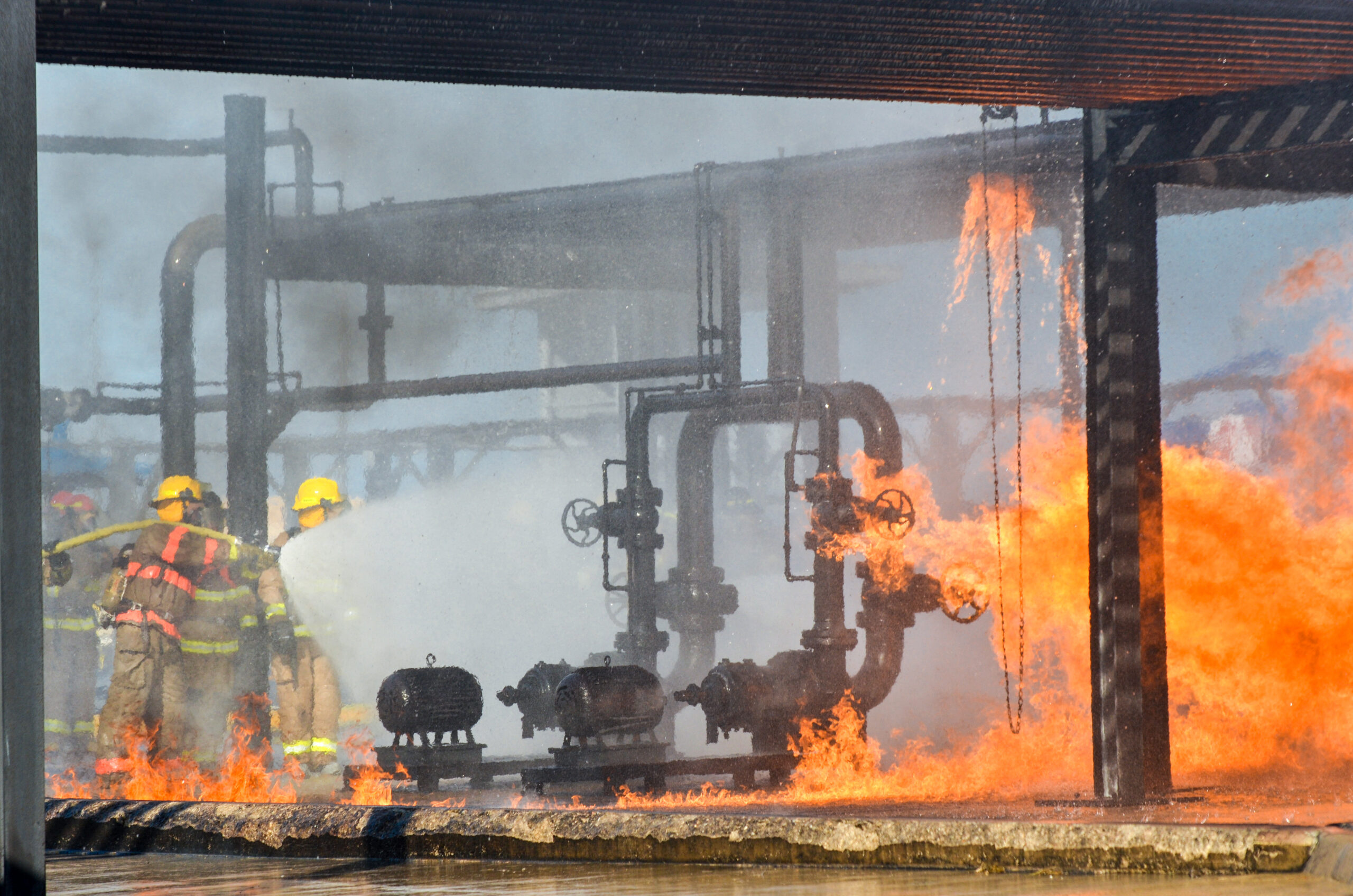
Firefighters fighting a fire inside of a refinery
Wildfire preparedness requires more than a fire suppression plan; it requires strategies for protecting storage infrastructure, maintaining access to emergency water supplies, and ensuring secondary containment resources are available if primary systems are compromised. ACME Environmental provides both primary and secondary containment solutions designed to help facilities prepare for and respond to wildfire-related incidents. If storage tanks or containment structures are damaged by extreme heat or fire, ACME’s portable Self-Supporting and Aluminum Angle Berms can be rapidly deployed as temporary secondary containment to capture leaking fuels, oils, or chemicals, or firefighting water runoff. When additional water resources are needed, ACME’s Quick Tanks and Bladder Tanks provide a reliable and portable solution for temporary water storage, supporting firefighting operations, emergency water staging, and remote response activities where access to water may be limited. By incorporating portable containment and water-storage solutions into emergency preparedness plans, facilities can improve resilience, support firefighting efforts, and reduce the risk of environmental impacts during and after a wildfire event.
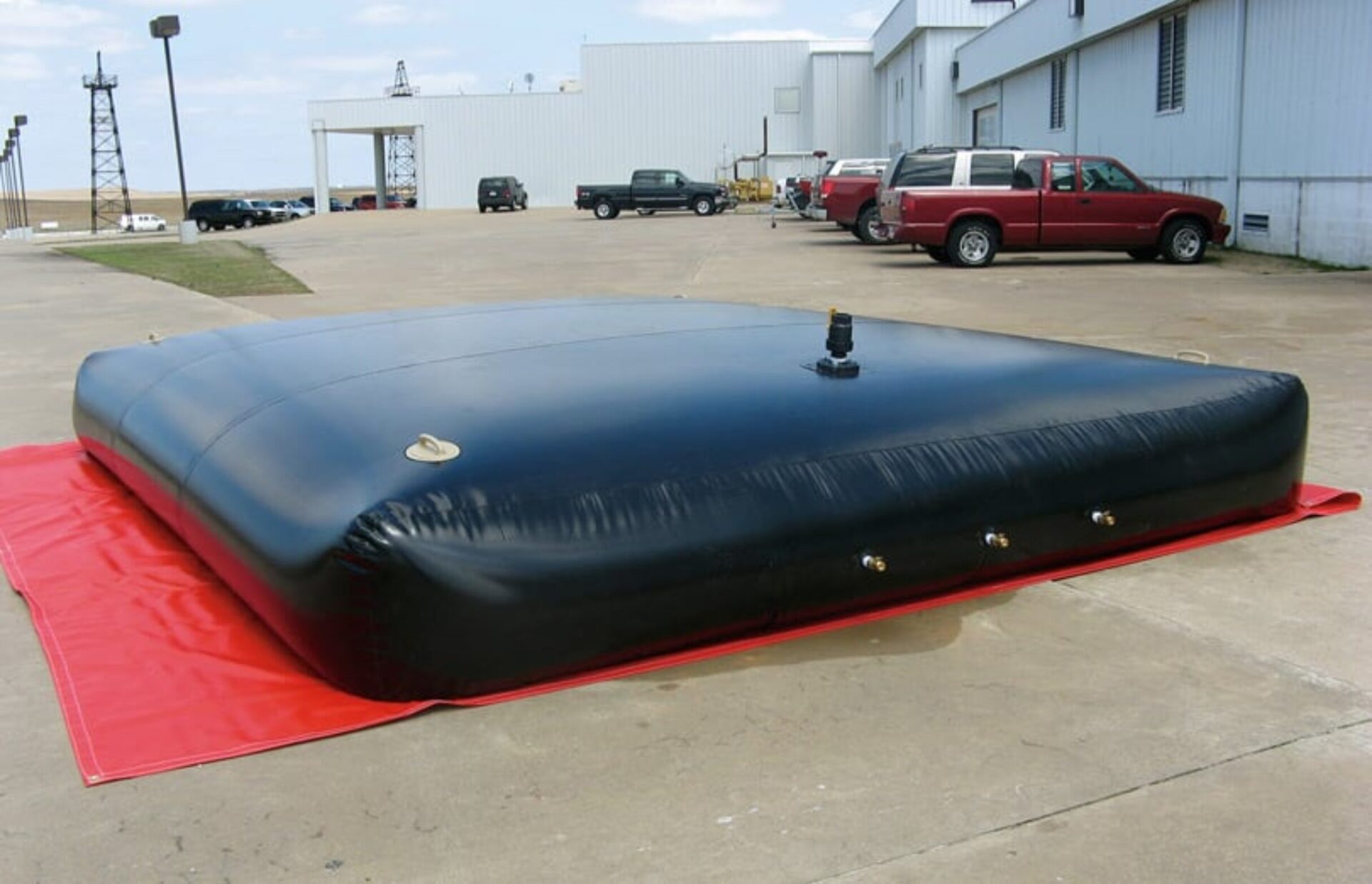
Large bladder tank filled with water
While each natural disaster presents its own unique challenges, they all share the same fundamental requirements: preparedness, rapid containment, and an effective response. Whether a release is caused by a hurricane-driven storm, a tornado-damaged storage tank, or a wildfire-compromised fuel system, the first few hours are often the most critical. Facilities that have pre-positioned containment boom, absorbent materials, secondary containment systems, and well-established emergency response procedures are far better equipped to minimize environmental impacts, protect sensitive resources, and accelerate recovery efforts.
Even with the best planning, incidents can still occur. When they do, having an experienced response partner can make all the difference. Since 1967, ACME Environmental has helped clients prepare for and respond to environmental emergencies across the country. As a U.S. Coast Guard-classified Oil Spill Removal Organization (OSRO), ACME maintains trained personnel, specialized equipment, and a nationwide network of response resources available 24 hours a day, 365 days a year. In addition to supporting numerous severe weather events and supplying containment solutions for major spill incidents such as the BP spill in 2010, ACME provides comprehensive emergency response services designed to help facilities quickly regain control of an incident and reduce long-term impacts.
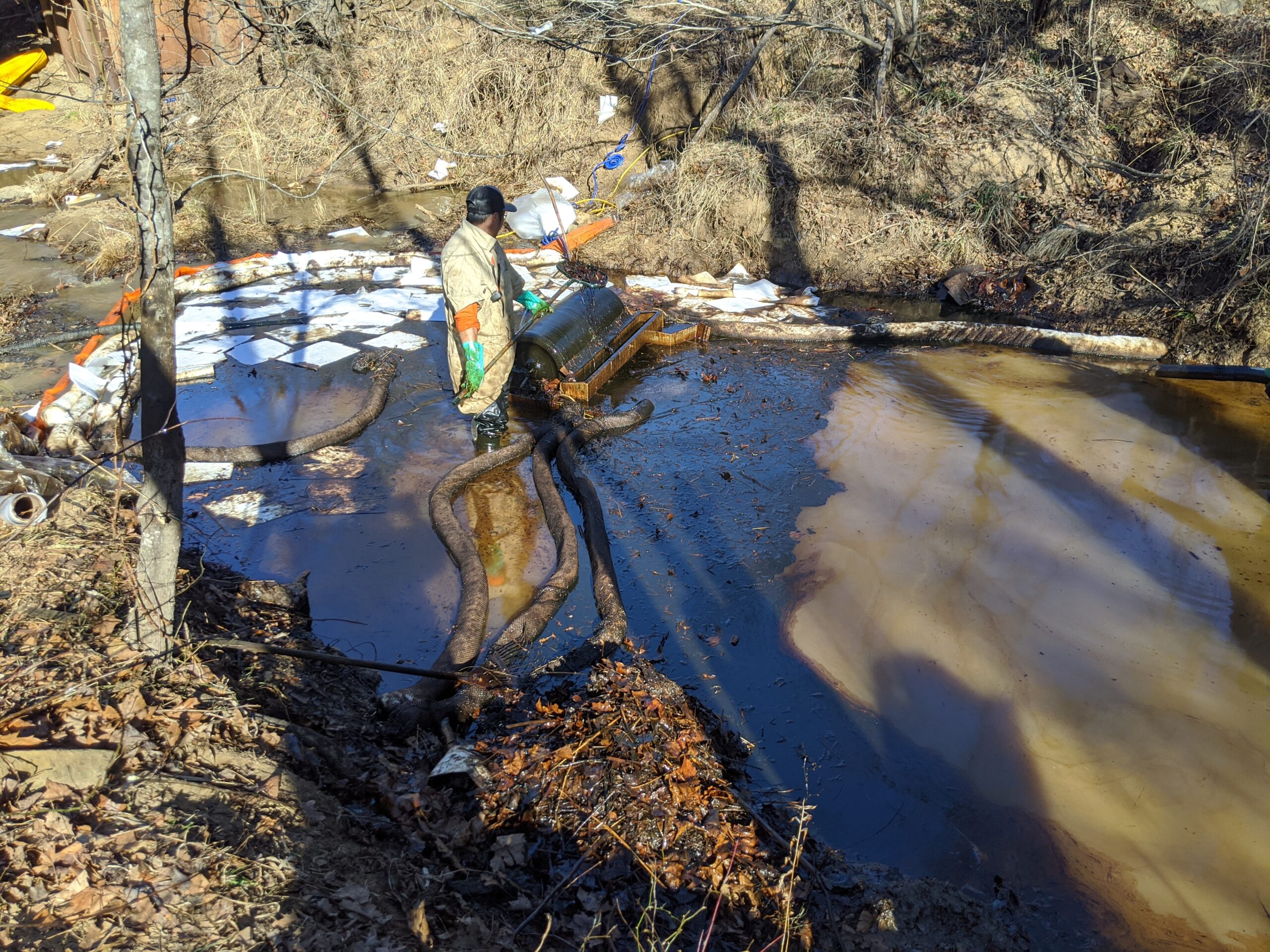
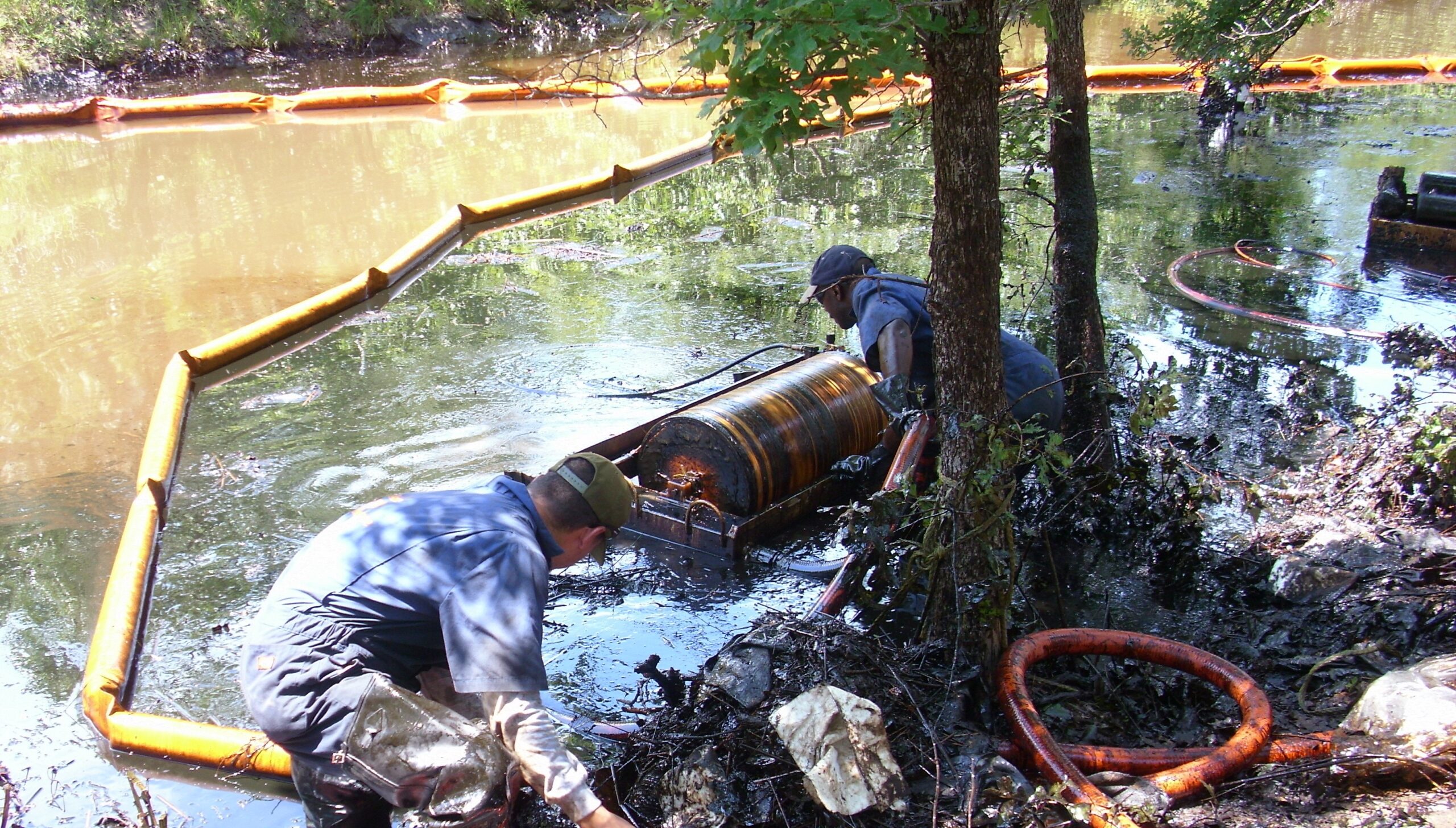
An oil drum skimmer and oil absorbent boom deployed to contain and remove oil from a creek
Contact ACME Environmental to discuss how we can help you stay better prepared for the next natural disaster. As we like to say, stay ready do you don’t have to get ready.
https://acmeboom.com/articles/oil-spill-response-land-vs-water/
https://acmeboom.com/articles/fall-2025-boom-school-preparing-in-advance/
https://acmeboom.com/case-studies/acme-in-action-northern-oklahoma-oil-spill/
https://acmeboom.com/services/oil-spill-response/
https://acmeboom.com/services/site-maintenance-and-restoration/
https://acmeboom.com/resources/oil-spill-categories/
https://acmeboom.com/resources/oil-spill-glossary/
https://acmeboom.com/articles/oil-spill-preparations-preparedness/

Posted on: September 11, 2026
What Are Vacuum Truck Services? Some people who need vacuum truck services may never have considered it or may not...
Read More
Posted on: September 1, 2026
Now What? When cleanup crews leave the site and the last bit of impacted soil is “removed”, it’s tempting to...
Read More
Posted on: August 3, 2026
The Cost of Waiting Too Long When an oil or chemical spill occurs, every minute counts. What may begin as...
Read More
Posted on: May 12, 2026
Proactive Waterway Protection Protecting waterways during construction, dredging, remediation, and spill-response operations requires more than simply reacting to contamination after...
Read More