


ACME’s Vacuum Truck Services
What Are Vacuum Truck Services? Some people who need vacuum truck services may never have considered it or may not...
Read MoreWinter conditions present unique challenges for industrial operators, environmental teams, and emergency responders responsible for managing oil and chemical spills. Freezing temperatures, icy surfaces, and near-zero water conditions change the behavior of contaminants and can significantly affect containment and recovery efforts. Preparing for cold-weather spill response is not optional; it’s a critical part of any comprehensive spill plan. Ensuring the right equipment is on hand before the first freeze can make the difference between a manageable incident and an environmental disaster.
Cold temperatures increase oil viscosity, making it thicker and more difficult to clean up. Ice, snow, and slush can obstruct normal recovery methods, slow down response times, and increase the risk of environmental damage. Containment equipment, like containment boom and oil skimmers, must perform in extreme conditions where equipment failures are not affordable.
ACME’s Perma Boom is a durable, permanent containment boom engineered for reliable performance in demanding environments, including sub-zero temperatures. While Perma Boom is available in heavy-duty PVC or urethane belting, urethane belting offers superior cold-weather performance due to its ability to maintain flexibility and tensile strength in extreme cold without becoming brittle or cracking.
Unlike traditional PVC, urethane belting is better rated for freezing temperatures, resisting stiffness, tearing, and material fatigue caused by prolonged exposure to ice, snow, and low temperatures. This enhanced flexibility allows the boom to absorb impact from ice movement, debris, and wave action without compromising structural integrity, making it especially well-suited for long-term, cold-weather deployments.
Perma Boom remains buoyant through the use of impregnated high-density polyethylene floats, which maintain flotation even if a float is punctured. When combined with urethane belting, this construction delivers a rugged, low-maintenance containment system that continues to perform reliably in harsh conditions, reducing the need for frequent repairs or replacements.
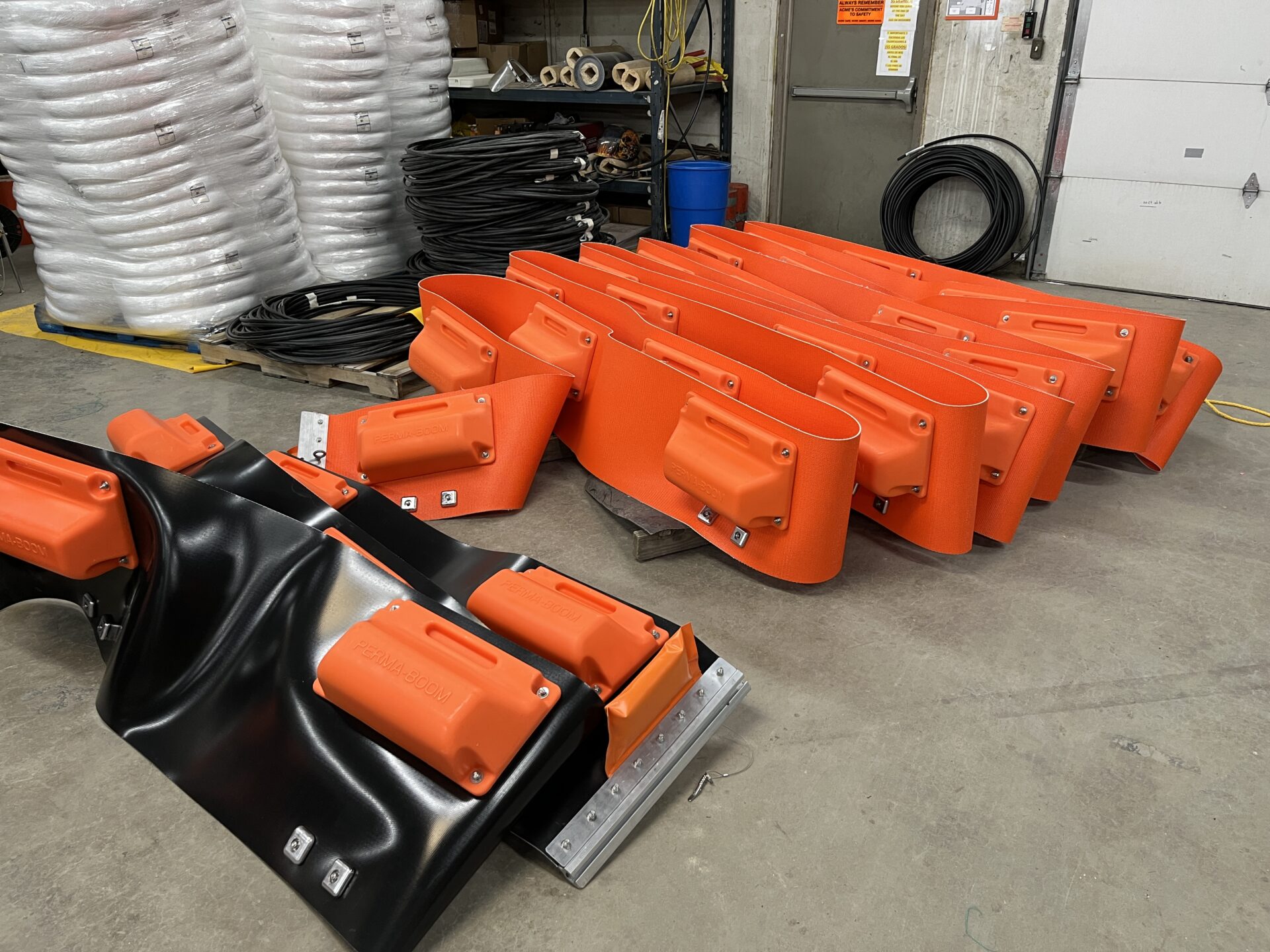
ACME’s Perma Boom palleted and ready to ship. Black is PVC belting and orange is urethane belting
Because our Perma Boom is manufactured with a single-width piece of belting, it offers greater structural integrity than most traditional containment boom systems that rely on multiple RF-welded seals and individual float pockets. Those traditional designs are more at risk of taking on water and ice if damaged, whereas Perma Boom eliminates these failure points, resulting in a stronger, more dependable barrier.
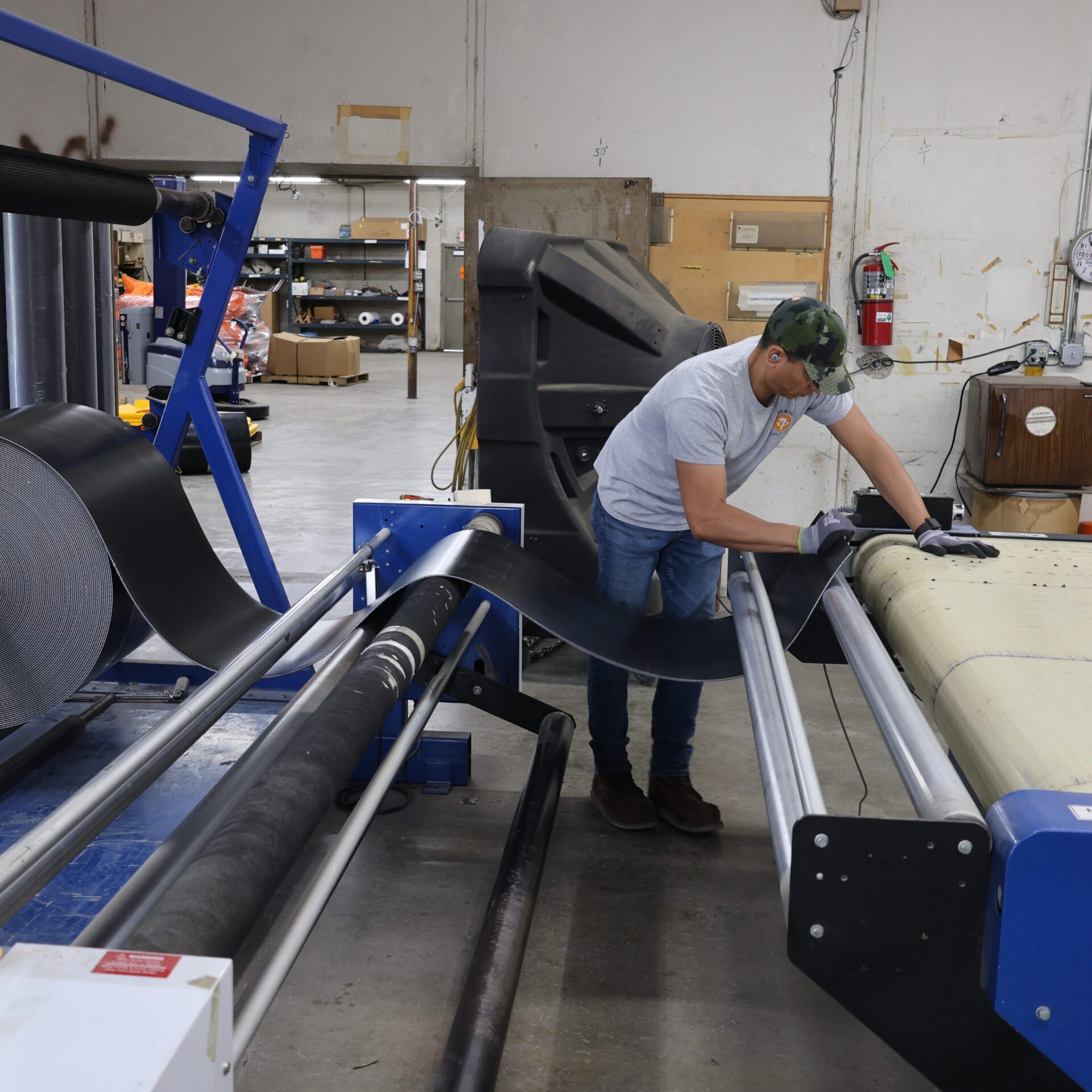
ACME’s perma boom being loaded onto our cut machine to be cut
Stability is further enhanced by a ballast system of molded lead weights affixed to the bottom of the skirt, allowing the boom to maintain proper draft and alignment. Corrosion-resistant stainless-steel hardware, combined with marine growth and UV-inhibiting materials, extends the boom’s service life while keeping maintenance requirements to a minimum.
Whether used to contain oil spills, control floating debris, or exclude pollutants from sensitive areas, ACME’s Perma Boom delivers consistent, effective containment, even in winter conditions. Its rugged construction and engineering make it an ideal long-term solution for a high-performance containment system in harsh or unpredictable environments.
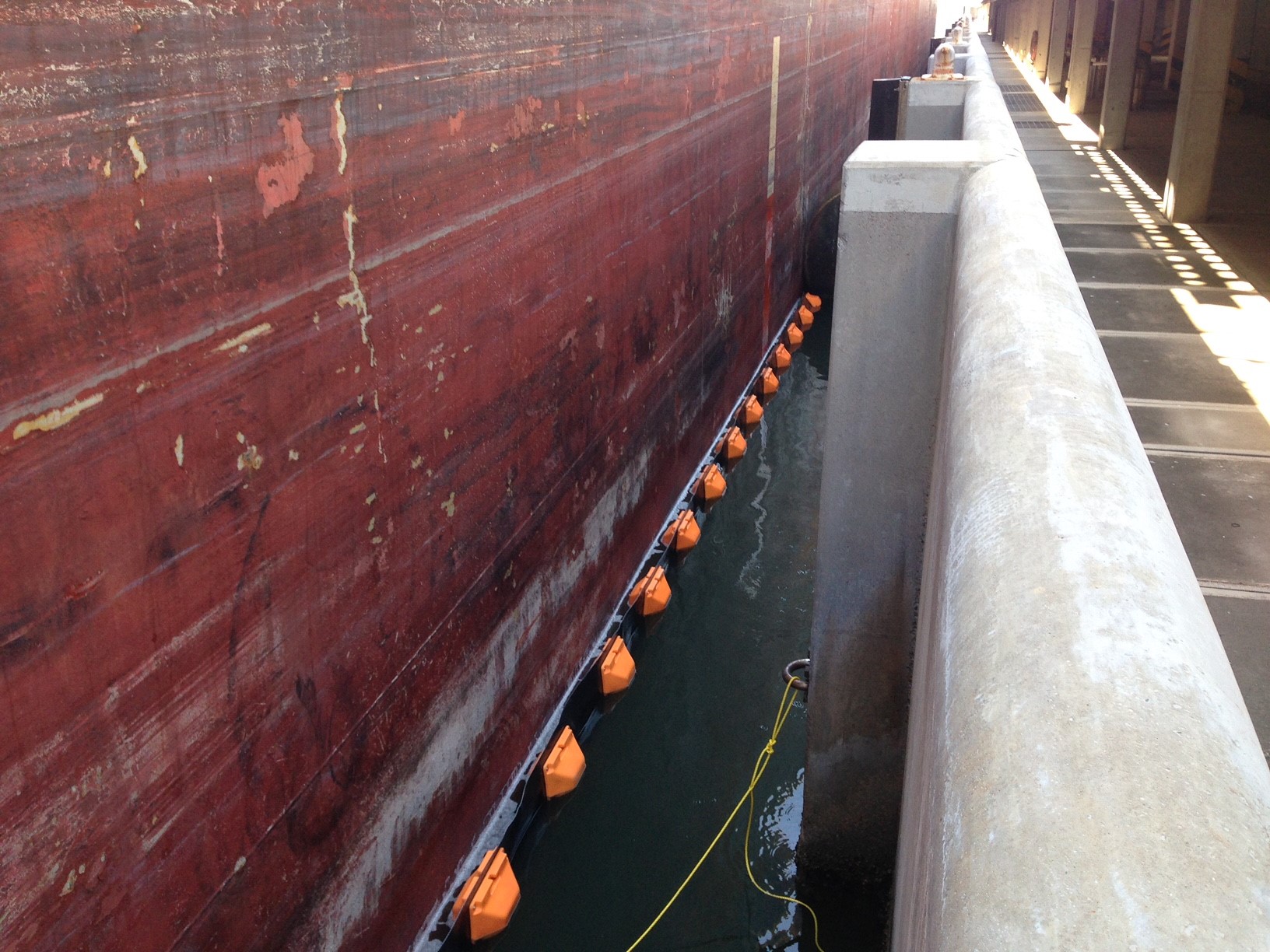
Perma Boom deployed between a ship and docking station
For cold-weather or near-freeze deployments, effective Perma Boom installation begins with pre-season planning and site assessment. Although designed for long-term deployment year-round, Perma Boom performs best when placed before ice formation to avoid ineffective placement. Considerations include:
Containment Boom Deployment Brochure
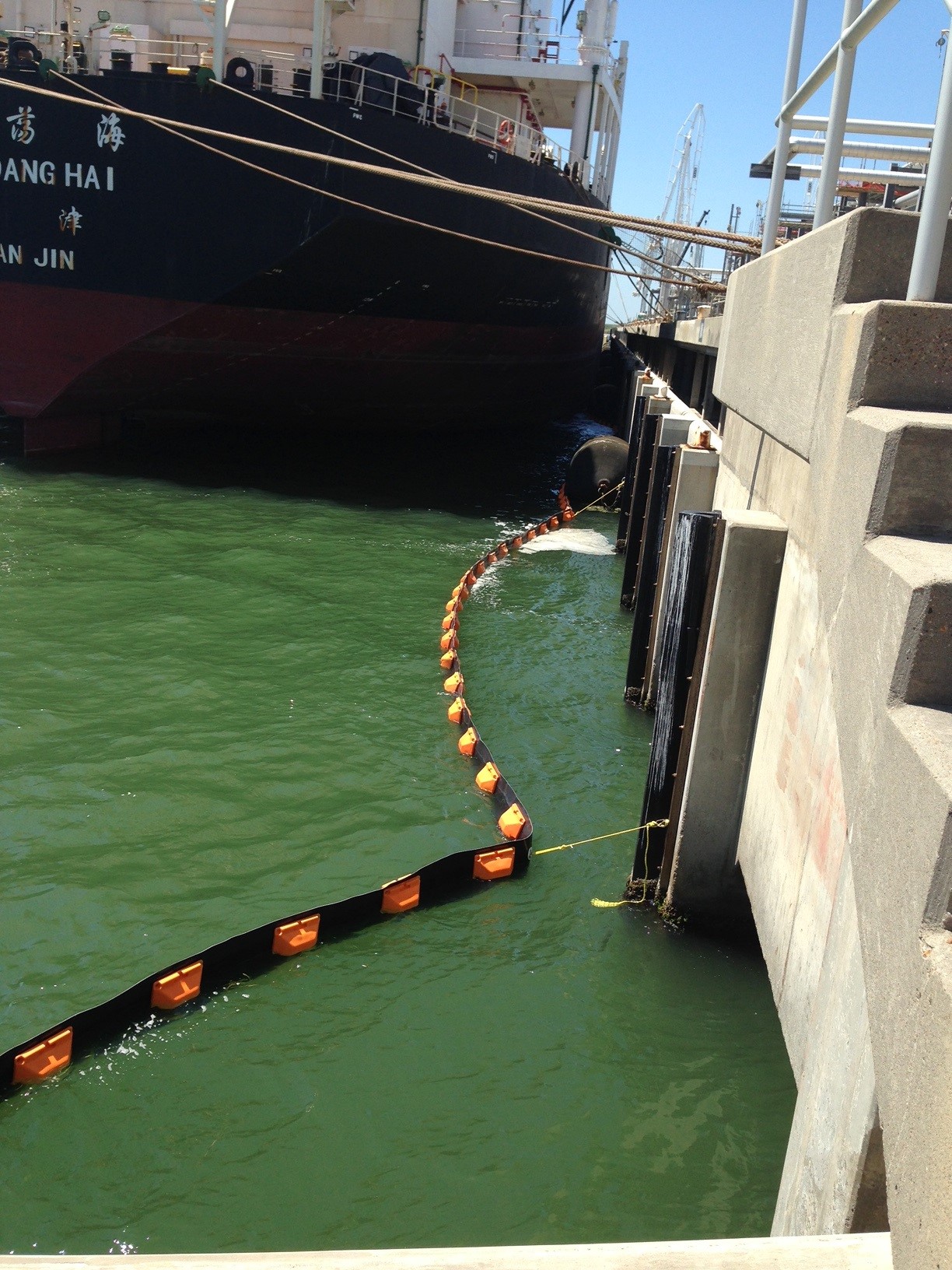
ACME Perma Boom deployed around a harbor pier while large ship docks
Containment boom is another critical first line of defense in oil spill response, designed to control, contain, and redirect floating oil and debris to minimize environmental impact. Deployed in marine, inland, and nearshore environments, containment booms form a physical barrier on the water’s surface, enabling responders to isolate spills, protect sensitive shorelines, and facilitate efficient recovery operations. Selecting the right boom requires careful consideration of site-specific conditions, including water movement, wave action, temperature, and debris load, to ensure consistent and reliable performance.
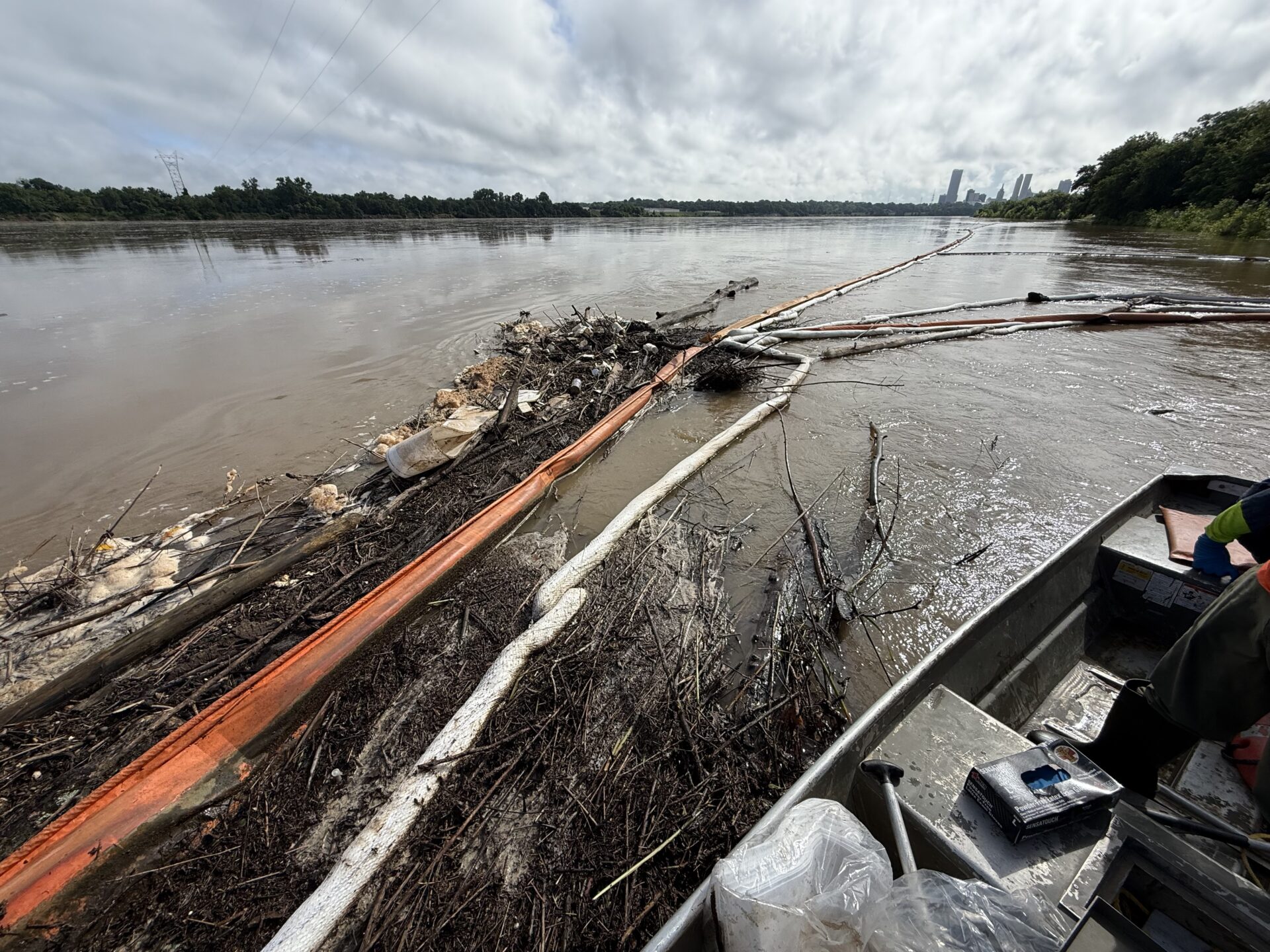
Oil containment boom and absorbent boom deployed to prevent further spread of debris and oil
To meet demanding environmental conditions, containment booms are available in a range of designs and fabric weights. For example, ACME’s 18″ Contractor Containment Boom is particularly well-suited for heavier 24 oz and 28 oz fabrics due to its reinforced top tension cable, which is engineered to carry and evenly distribute the system’s load. As fabric weight and water resistance increase, the tension cable absorbs drag forces, reducing stress on the fabric and helping prevent sagging, tearing, or seam failure. This structural support allows heavier fabrics to perform reliably in harsh environments.

18″ contractor boom deployed in a marina to keep oil from spreading out into open water
The 24 oz fabric provides improved resistance to hydrocarbons, UV exposure, and abrasion, making it ideal for extended deployments and cold-weather conditions. For even more extreme environments, including severe cold, increased wave action, or frequent ice contact, ACME offers 28 oz urethane-coated fabric options. Urethane delivers superior flexibility at low temperatures and greater resistance to cracking or stiffening than traditional PVC-coated fabrics, while offering higher tensile and tear strength. Combined with the Contractor Boom’s tension cable system, the 28 oz urethane fabric maintains proper freeboard and skirt alignment, ensuring stable, long-term containment in challenging winter and high-stress conditions.
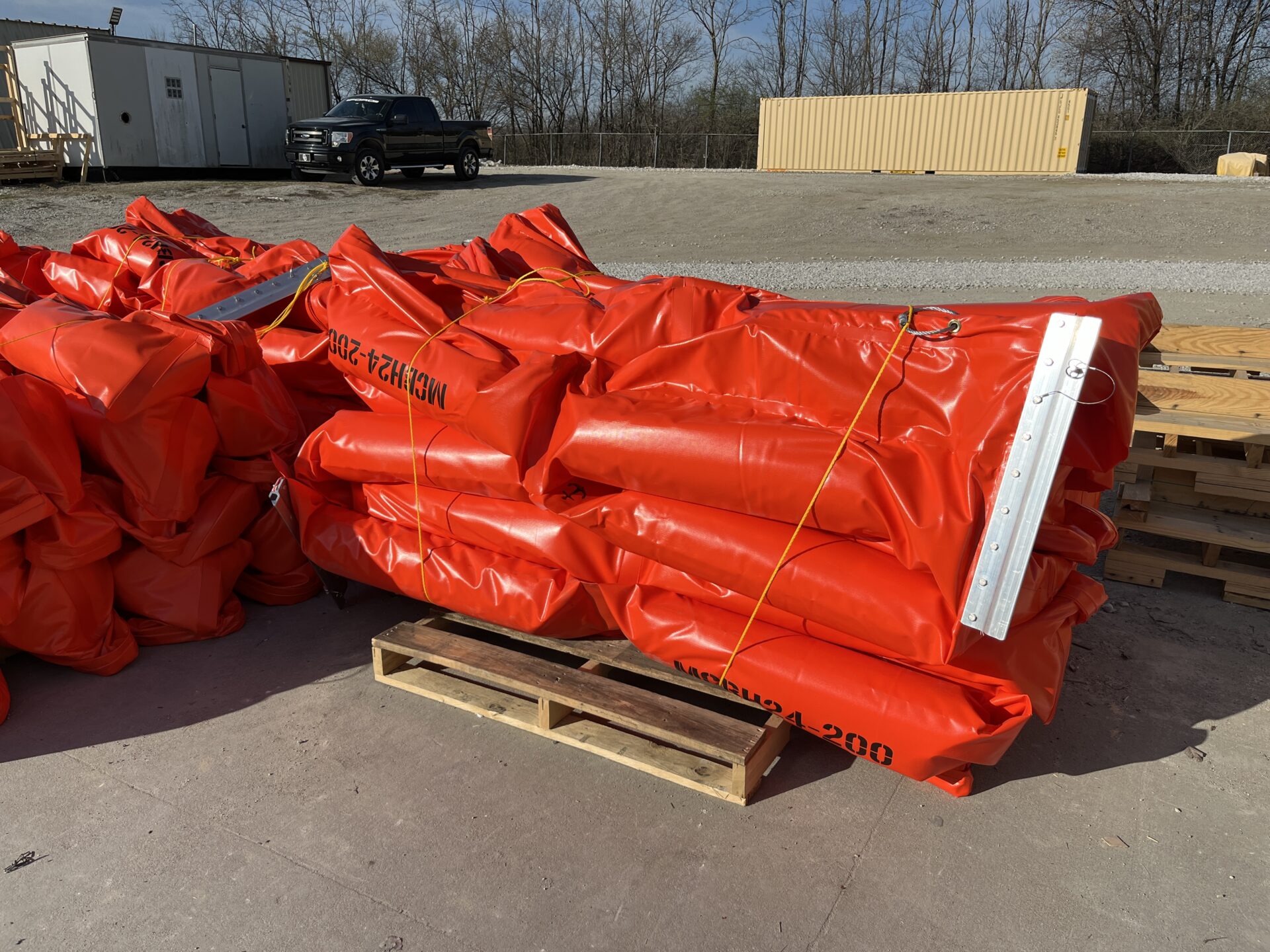
ACME’s 20″ Harbor Boom made out of 28oz urethane fabric palleted and ready to ship
These heavier-duty fabric options are essential for winter operations, as both the 24 oz and 28 oz urethane materials retain flexibility in sub-zero temperatures that would otherwise stiffen or crack lighter fabrics. Their durability resists abrasion from ice, debris, and anchoring systems, extends operational life, and supports repeated use and seasonal storage without degradation from UV exposure, cold, or hydrocarbons. By offering containment booms in 24 oz and 28 oz urethane fabrics, ACME ensures operators can select the right level of protection to match environmental severity, from routine inland spill response to cold-weather and long-term containment scenarios.
ACME’s turbidity curtains are engineered for durable, reliable performance in cold-weather environments. With skirt depths extending up to 60 feet, they form an effective barrier that captures sediment, oil, and other pollutants, including contaminants migrating beneath frozen surfaces. Closed-cell foam floats maintain consistent buoyancy and can withstand impacts from ice, debris, and strong currents, continuing to perform even if a float pocket is punctured. In these demanding conditions, a Type III turbidity curtain is the ideal solution, as it can be engineered with heavier-duty, non-permeable fabrics, such as 24oz and 28 oz urethane and polyester, to withstand ice formation, freeze-thaw cycles, and the increased forces created by deeper skirt depths. This non-permeable construction creates a barrier that effectively contains pollutants without tearing or undergoing fabric degradation under ice stress.
Type III curtains are especially well-suited for cold-weather applications due to their dual tension cable system, which is critical for supporting deeper, heavier skirts made from non-permeable materials like our 24 oz and 28 oz urethane fabrics. This design evenly distributes load across the curtain, maintaining structural stability and minimizing localized stress that can lead to ripping or failure. Even with fluctuating water levels and ice movement, the system remains secure and effective, conditions where lighter-duty curtains often struggle.
As deeper, non-permeable skirts increase overall system weight and water resistance, proper anchoring is essential. ACME’s Type III turbidity curtains are designed to work in conjunction with a variety of anchoring systems that reduce bowing, drifting, and failure during ice shifts or high-flow events. The dual-tension configuration further helps manage drag forces while preserving curtain alignment.
ACME turbidity curtains also feature adjustable skirt depths, allowing operators to respond quickly to changing water levels caused by ice expansion, thawing, or seasonal variation. A rope threaded through reinforced grommets down the depth of the skirt enables fast, on-site depth adjustments. When combined with heavy-duty, non-permeable fabrics, secure anchoring, and a dual-tension cable system, this design delivers consistent, long-term containment performance in harsh and dynamic winter environments.
Turbidity Curtain Deployment Brochure

Thumbnail visual for type III turbidity curtain describing the different parts of a type III turbidity curtain
ACME’s custom floating baffle systems provide innovative solutions for water treatment plants and reservoirs that go far beyond traditional spill response equipment. These specialized baffles are engineered to direct and circulate water flow efficiently, preventing stagnation and minimizing dead zones. Using custom window cutouts tailored to the customer’s specific needs, ACME can control water movement precisely, ensuring optimal circulation for each unique application. In colder climates, this capability is especially critical, as it reduces the risk of ice formation by maintaining consistent water movement. By promoting thorough mixing and continuous circulation, ACME’s baffle systems enhance water treatment efficiency, protect infrastructure, and maintain water quality throughout the system. Read more about our custom baffle solutions here.

Thumbnail for Wastewater Treatment Baffle

ACME baffle system installed in a cooling pond
Waterways face ongoing risks from oil, fuel, and industrial spills, making dependable spill response technology essential in all conditions. Effective recovery requires equipment that can deploy quickly, operate reliably, and perform in challenging environments, including extreme cold.
ACME Environmental has access to advanced oil skimmer solutions designed to support emergency responders and industrial operators in efficiently recovering hydrocarbons from water. These skimmers are engineered for use in rivers, lakes, shorelines, harbors, and confined waterways, and integrate with containment booms as part of a complete spill response system. These recovery solutions eliminate the need for excessive use of absorbents, reducing secondary waste and cleanup costs.
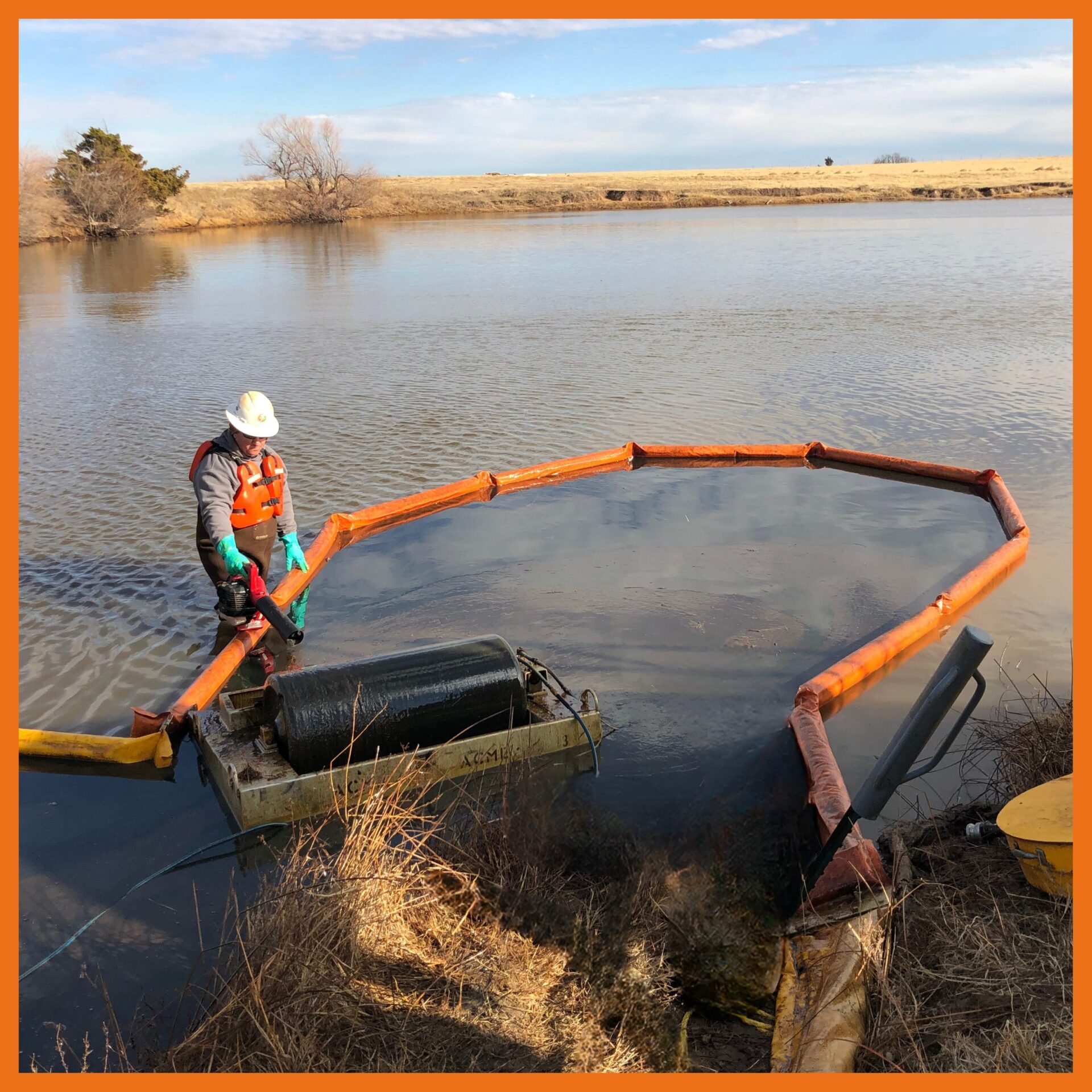
10″ creek and swamp boom deployed with an oil drum skimmer to contain and clean up a thick oil spill

Oil drum skimmer cleaning up thick oil spill
For cold-weather and winter operations, ACME offers disc and drum skimmers specifically engineered to perform in sub-zero conditions, including temperatures as low as -20°F. Their rotating recovery surfaces remain partially above the waterline, limiting ice accumulation while maintaining consistent oil adhesion. Reinforced frames and low-temperature-rated motors or hydraulic systems prevent brittleness, freezing, and mechanical failure, even when recovering high-viscosity oils.
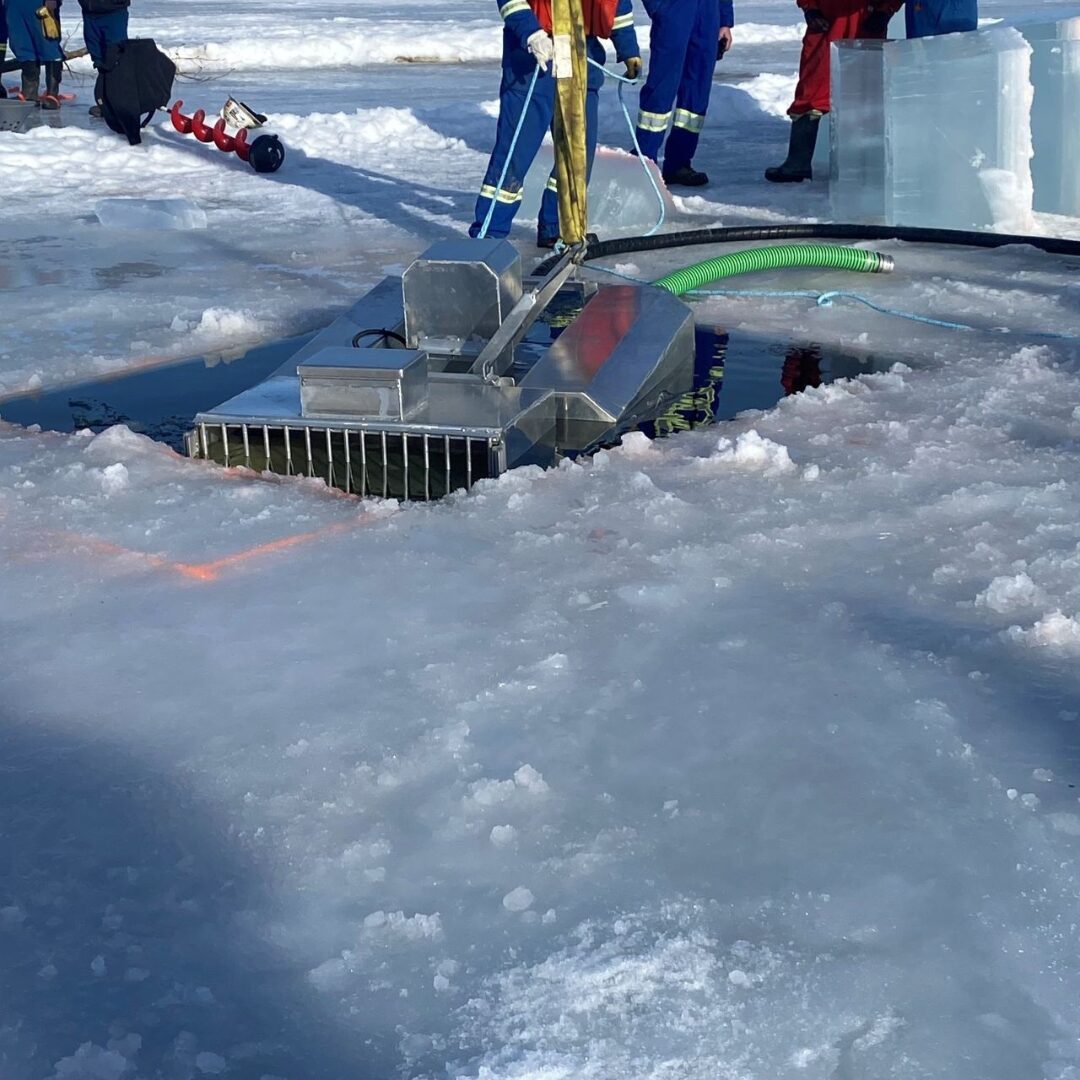
Oil skimmer deployed in frozen water conditions
High oil recovery efficiency across a wide range of products, from light sheens to heavy, weathered oils
Reliable operation in cold and icy conditions using disc and drum skimmers
Rapid deployment and flexible operation for both emergency response and planned protection programs
Mechanical recovery without absorbents, minimizing waste and environmental impact
During winter response operations, disc and drum skimmers are typically run at controlled, reduced rotational speeds to improve oil adhesion and help shed ice from the recovery surface. With routine cold-weather maintenance, such as proper lubrication and inspection of seals and moving components, ACME skimmers remain dependable during prolonged operations in harsh environments. Through proven technology and strong partnerships, ACME helps organizations respond faster, recover more efficiently, and protect waterways year-round.
Cold-weather spill responses place unique physical demands on responders and increase safety risks. Extreme temperatures, icy surfaces, and reduced visibility make proper Personal Protective Equipment (PPE) essential for protecting crews and maintaining effective operations. Selecting the right cold-weather PPE not only safeguards responders from injury and exposure but also ensures spill response activities can be carried out safely, efficiently, and without unnecessary risk to personnel or the environment. Learn more about OSHA-provided tips for cold-weather clothing and worker protection.
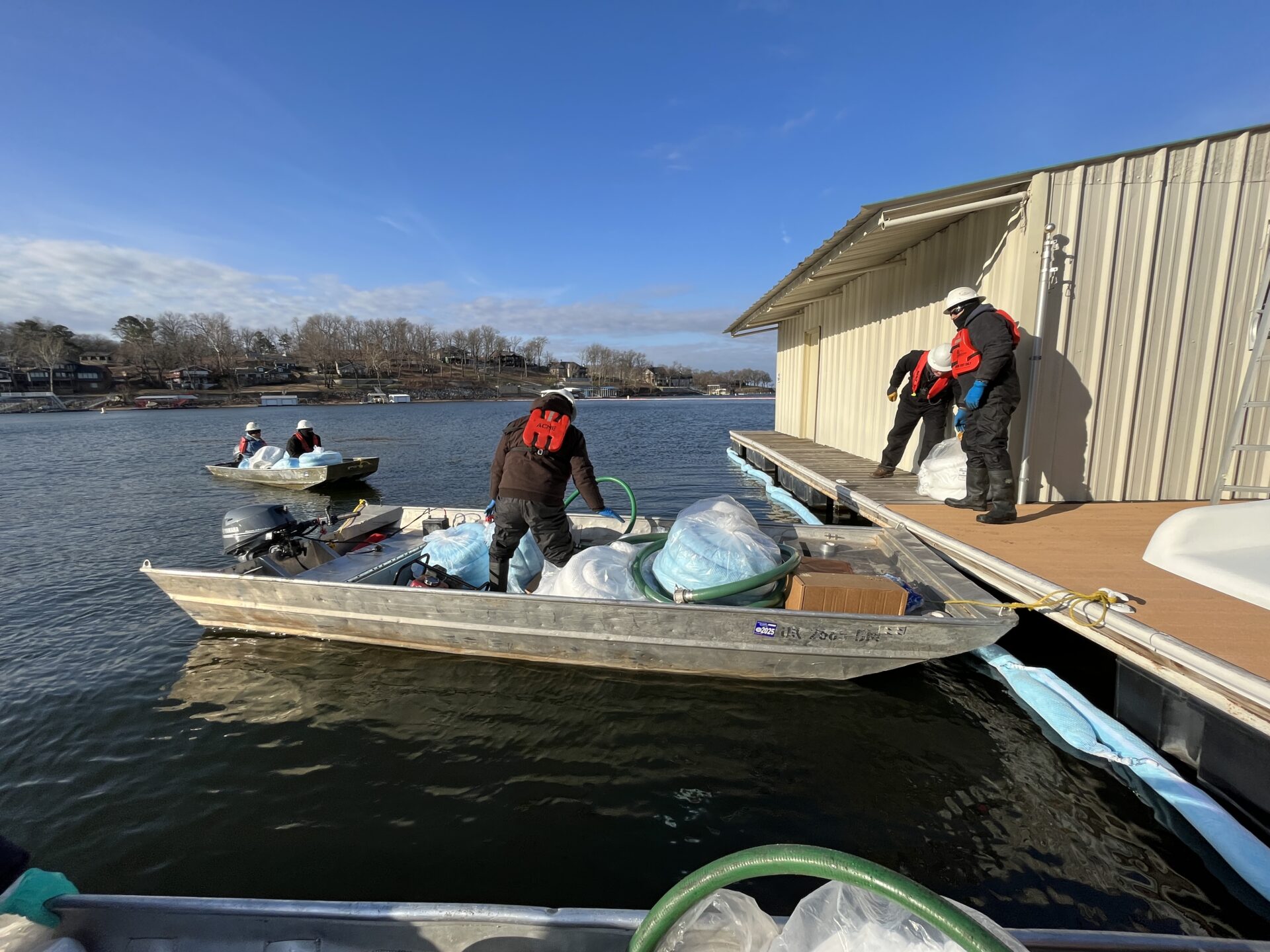
ACME employees responding to an oil spill on a lake in February
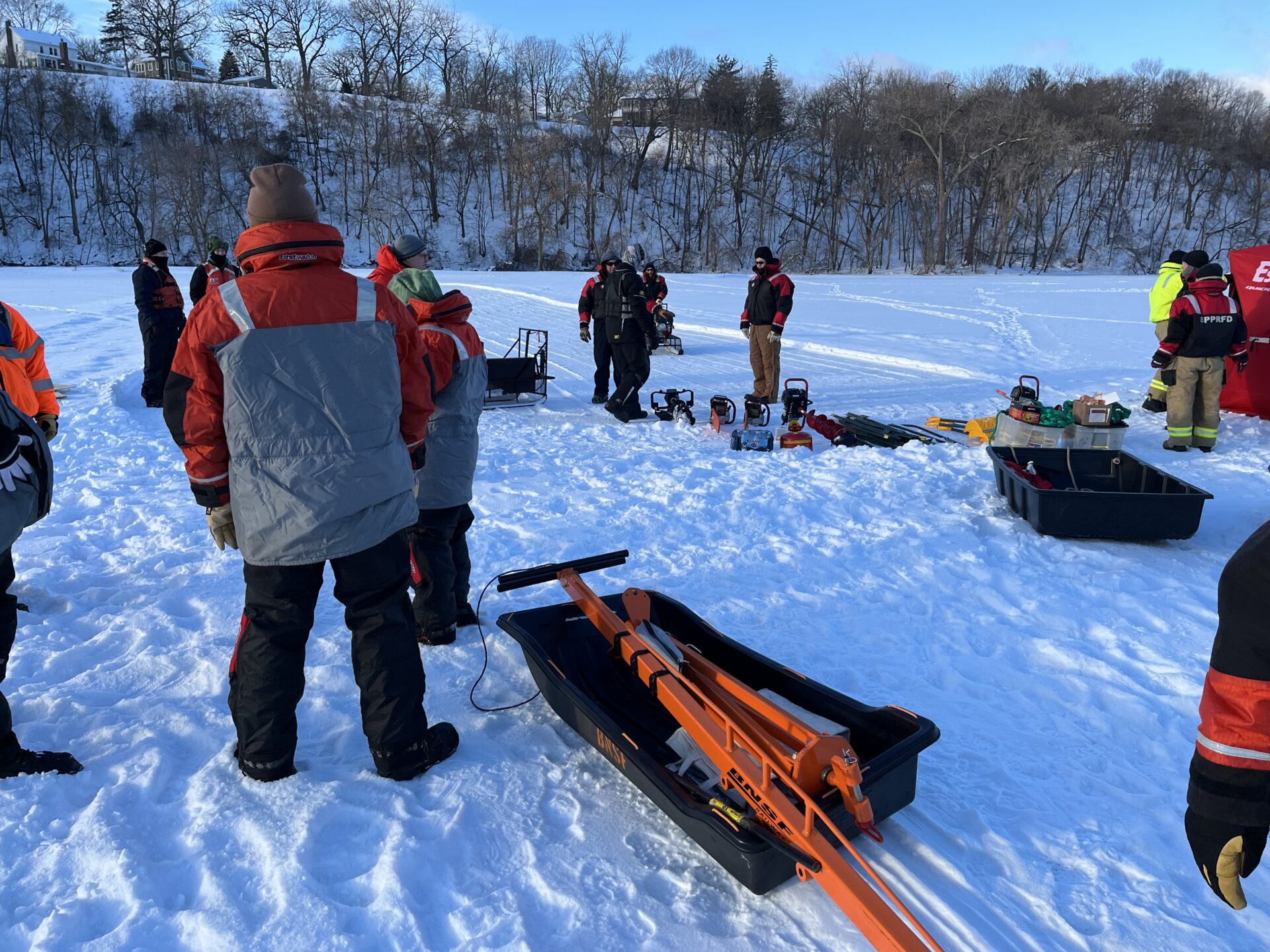
ACME and the client equipped with the proper PPE and equipment to conduct the spill drill
Effective winter spill response starts with preparation well before freezing conditions arrive. By focusing on the readiness of spill response equipment, proper handling and storage, hands-on training, and dependable supplier support, organizations can significantly reduce risk, improve response efficiency, and protect both personnel and the environment. The following best practices outline how ACME helps ensure full operational readiness throughout the cold-weather season

53’ Trailer stocked with 10,000 feet of containment boom
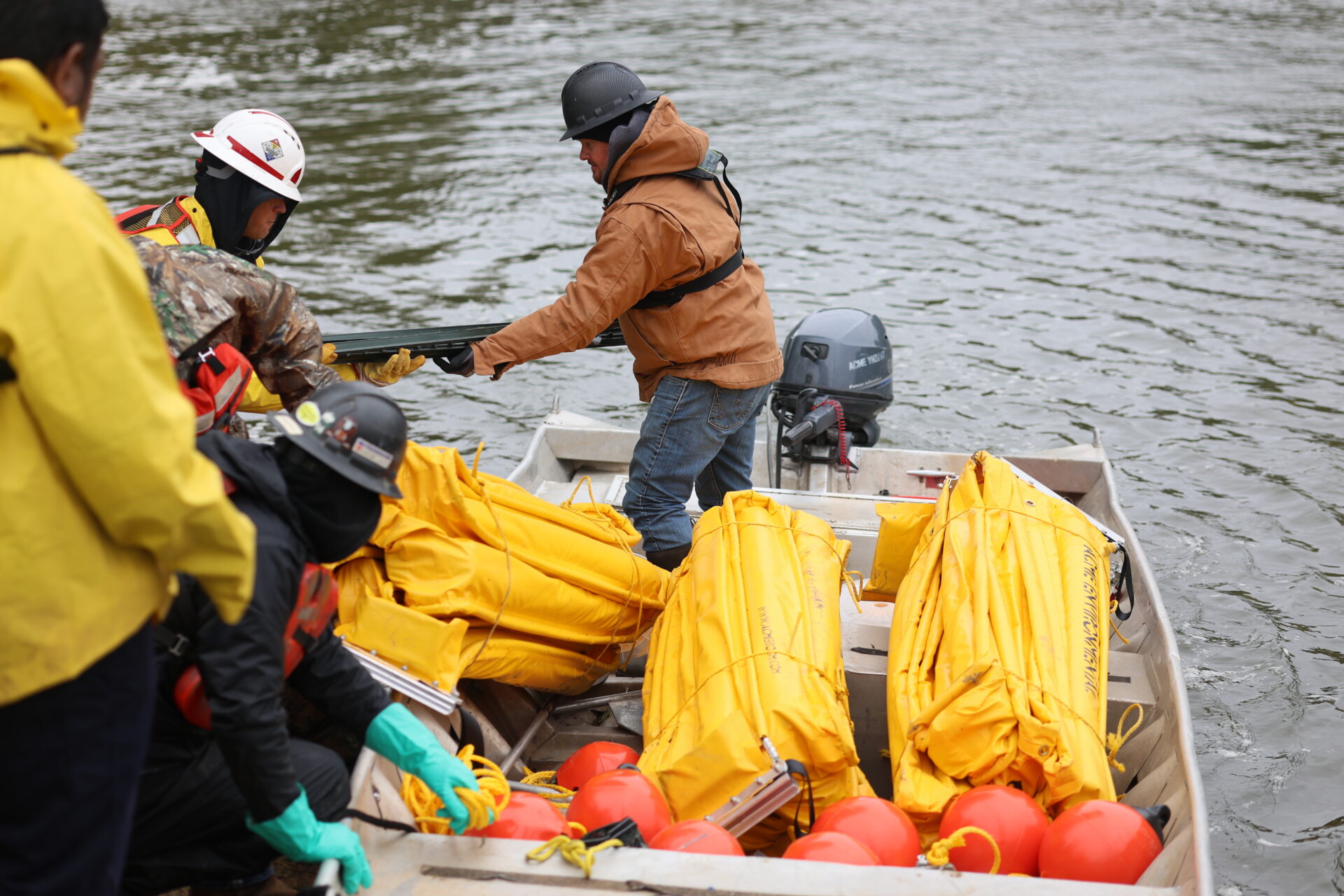
Boom School Participants Loading All of the Equipment Being Used for the Day Into ACME Boat
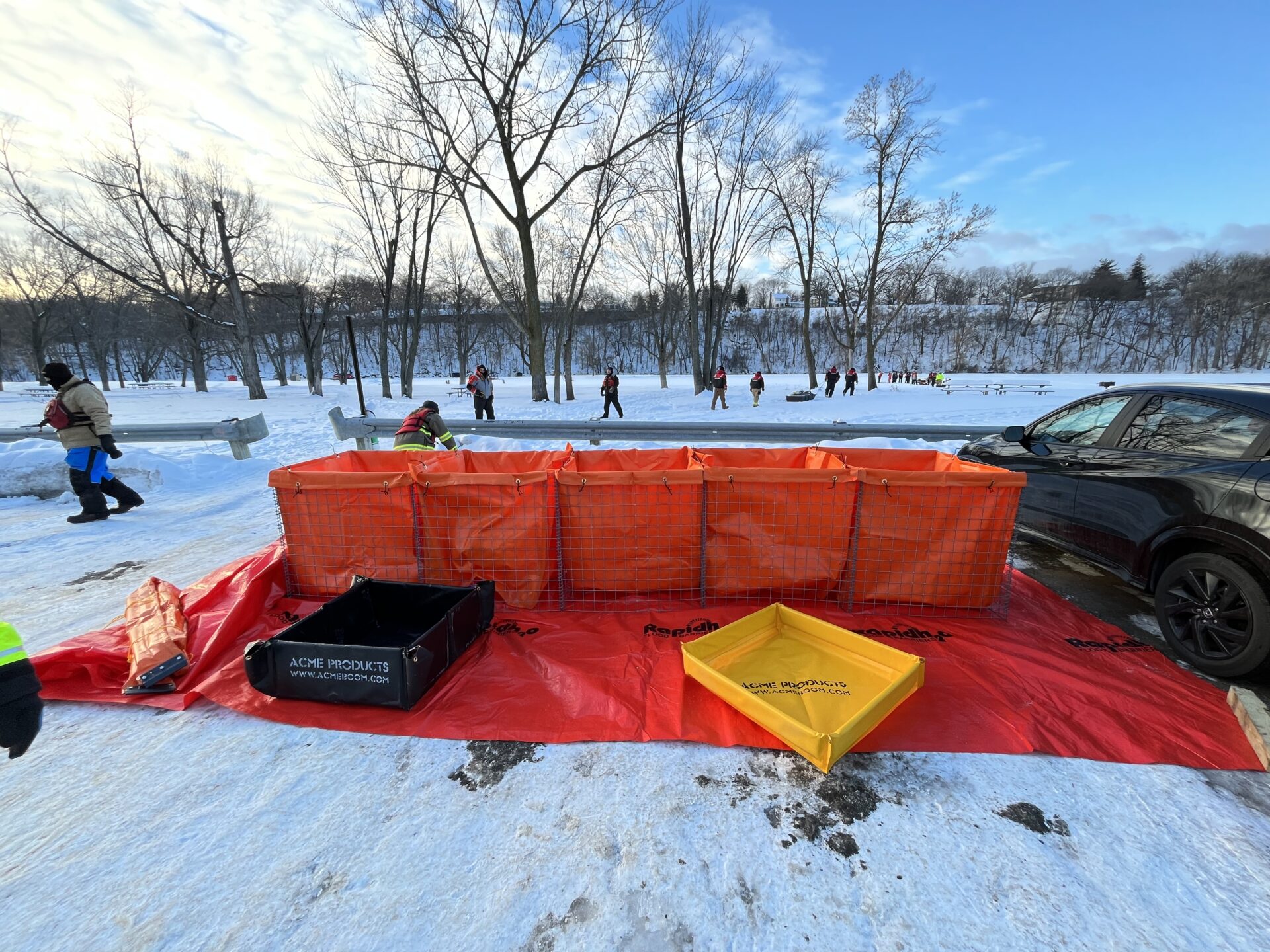
ACME’s secondary containment equipment deployed for a spill drill
At ACME Environmental, we are a trusted OSRO because we combine reliable spill response equipment with proven response expertise. We provide durable containment boom systems, oil skimmers, turbidity curtains, and custom-engineered solutions designed to perform in harsh and demanding conditions.
Beyond equipment, we offer a full range of services, including remediation, site maintenance, water filtration, decontamination, digitally enhanced response, comprehensive training, realistic spill drills, and expert planning support. This integrated approach ensures crews are prepared long before an incident occurs. With our 24/7/365 emergency spill response capabilities, we deliver rapid, compliant, and effective response when it matters most, making us a dependable partner for winter and cold-weather spill response.
Be ready before the next incident happens. Partner with ACME Environmental to strengthen your spill response preparedness with proven equipment, expert training, and around-the-clock emergency support. Contact us today to discuss your site-specific needs, schedule training or drills, or develop a response plan built to perform when conditions are at their toughest.

Posted on: September 11, 2026
What Are Vacuum Truck Services? Some people who need vacuum truck services may never have considered it or may not...
Read More
Posted on: September 1, 2026
Now What? When cleanup crews leave the site and the last bit of impacted soil is “removed”, it’s tempting to...
Read More
Posted on: August 3, 2026
The Cost of Waiting Too Long When an oil or chemical spill occurs, every minute counts. What may begin as...
Read More
Posted on: June 19, 2026
Why Preparation Matters When severe weather strikes, industrial facilities face risks that extend far beyond structural damage and operational downtime....
Read More