

ACME Environmental training and containment boom deployment school hazwoper training refresher boom school

Boom School – Spring 2026

ACME Environmental and Rapid Response Systems are hosting a four day boom school at the Tulsa Port of Catoosa, October 27-30th, 2025. This hybrid course will incorporate both classroom and field training utilizing successfully proven deployment and response tactics and strategies. Students will learn the best practices for utilizing the latest solutions by using mixed technologies to produce better incident action plans in an event, improve communication, and strengthen their ability to execute their current preplanned response strategies. Don't miss out, register your team today!

Insights

ACME Environmental training and containment boom deployment school hazwoper training refresher boom school

Boom School – Spring 2026

ACME Environmental and Rapid Response Systems are hosting a four day boom school at the Tulsa Port of Catoosa, October 27-30th, 2025. This hybrid course will incorporate both classroom and field training utilizing successfully proven deployment and response tactics and strategies. Students will learn the best practices for utilizing the latest solutions by using mixed technologies to produce better incident action plans in an event, improve communication, and strengthen their ability to execute their current preplanned response strategies. Don't miss out, register your team today!
  • Insights

  • Thumbnail for an article discussing the different types of containment boom for specific needs

    Finding The Right Containment Boom For Your Needs

    A containment boom is one of the first and most used tools in an oil or chemical spill response. Whether deployed across rivers, near shorelines, in the ocean, in harbors, or in ports, they act as floating barriers that contain contaminants for recovery. According to the U.S. Environmental Protection Agency, containment booms are commonly used to prevent spilled oil from spreading and to guide contaminants toward collection points where equipment such as oil skimmers and vacuum trucks are staged. However, not all containment booms are designed for the same environment. The material composition and construction of the boom play a major role in determining whether it will perform effectively in oil spills, chemical releases, or debris-ridden waterways. Understanding these differences helps operators choose the right equipment before an emergency occurs.

  • Thumbnail for an article about frequently overlooked hazards of oil spills

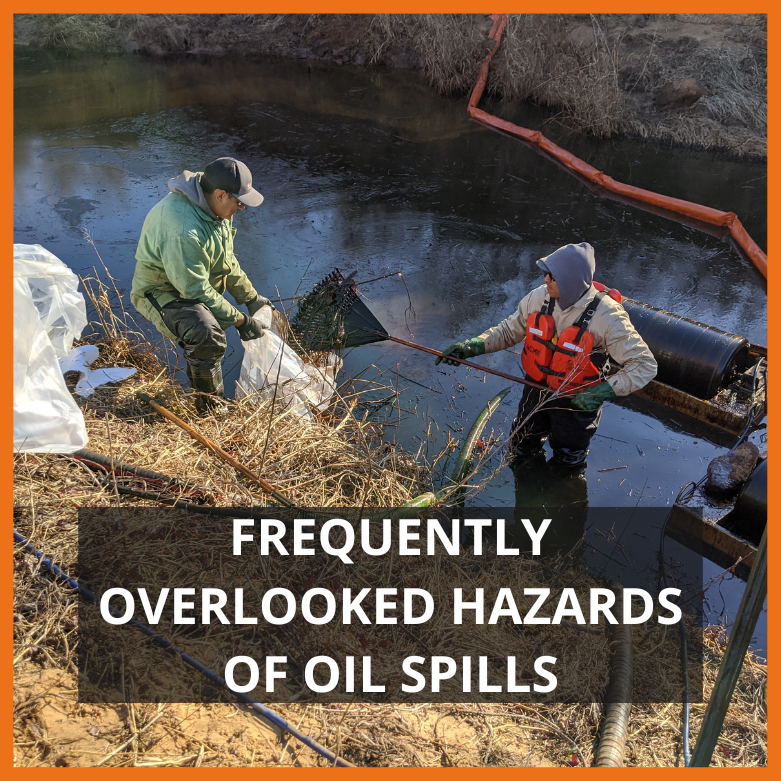
    Frequently Overlooked Hazards Of Oil Spills

    Companies often operate under the assumption that no major oil spills equal no contamination. Unfortunately, decades of environmental case studies and spill response experience have proven the opposite: the most costly and disruptive contamination events are often the ones no one noticed happening. Slow leaks, recurring drips, and minor surface spills can quietly accumulate in silence for years before anyone realizes the extent of the issue. When contamination eventually becomes visible or is discovered during a property sale, redevelopment project, or regulatory inspection, the remediation cost can be exponentially higher than if it had been addressed proactively. This article explains the hidden risks, regulatory implications, and environmental factors that make proactive soil remediation and preventive measures a smart, responsible, and cost-saving strategy, even when no “big spill” has occurred.

  • Thumbnail for an article over unique safety risks of winter spill response

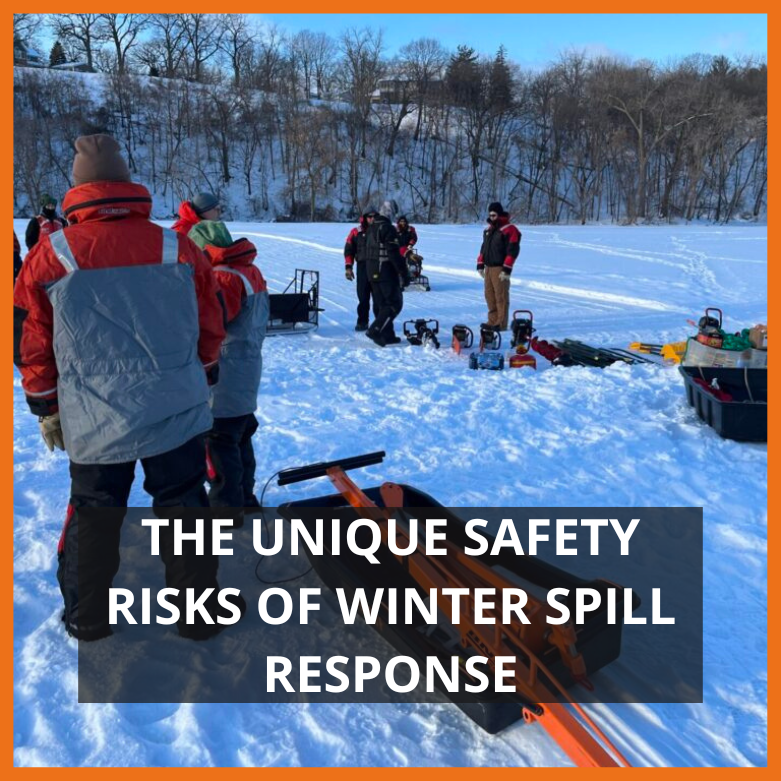
    The Unique Safety Risks of Winter Spill Response

    Winter creates some of the toughest conditions for spill response teams. Freezing temperatures put stress on both workers and equipment, while snow-covered ground hides hazards and reduces visibility. Shorter daylight hours limit how much work can be done safely and increase fatigue. Cold weather affects protective gear, cognitive function, and equipment performance. Snow and ice make normally stable areas slippery and uneven, increasing the risk of slips, trips, and falls. Low temperatures can also reduce the effectiveness of response equipment such as oil skimmers and containment boom. Managing these risks requires trained responders and the right tools. ACME Environmental, a #10 U.S. Coast Guard Certified Oil Spill Removal Organization (OSRO), provides experienced teams, reliable equipment, and strong planning support to help protect workers and keep spill response operations safe and effective during winter conditions.

  • Thumbnail for an article explaining good equipment for a cold weather spill response

    Spill Response Equipment Operators Should Stock Before Temperatures Drop

    Winter conditions present unique challenges for industrial operators, environmental teams, and emergency responders responsible for managing oil and chemical spills. Freezing temperatures, icy surfaces, and near-zero water conditions change the behavior of contaminants and can significantly affect containment and recovery efforts. Preparing for cold-weather response is not optional; it’s a critical part of any comprehensive spill plan. Ensuring the right equipment is on hand before the first freeze can make the difference between a manageable incident and an environmental disaster. Cold temperatures increase oil viscosity, making it thicker and more difficult to clean up. Ice, snow, and slush can obstruct normal recovery methods, slow down response times, and increase the risk of environmental damage. Containment equipment, like containment boom and oil skimmers, must perform effectively for a spill response in extreme conditions where equipment failures are not affordable.

  • Article thumbnail for a year in review of ACME Environmental's 2025

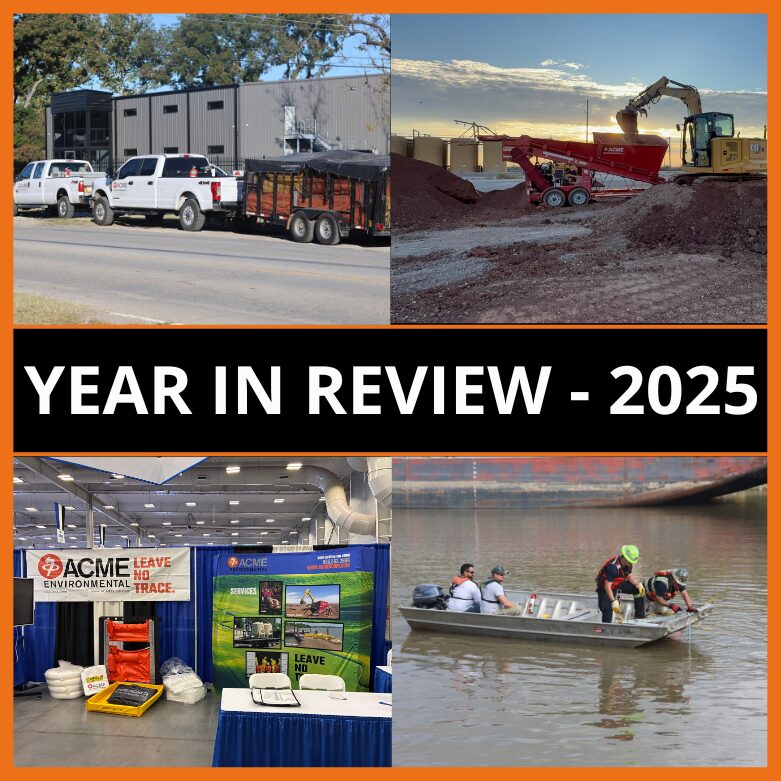
    ACME’s Year in Review – 2025

    ACME Environmental’s year in review highlights a standout period of industry engagement, innovative product releases, and impactful fieldwork. Throughout the year, we showcased our expanding capabilities at major trade shows and conferences across the country, connecting with partners who depend on our spill response, remediation, and preparedness expertise. In the field, our teams responded to spill events with advanced containment strategies to protect waterways and sensitive environments, while our soil remediation efforts efficiently restored contaminated sites and delivered both compliance and cost savings for our clients.

  • Article thumbnail for the importance of spill drills and trainings

    The Importance of Spill Drills & Trainings

    Ensuring that your company is prepared to respond at any given moment starts with the preparation and equipping of employees with the necessary training, equipment, and experience. An effective response starts with the proper gathering of materials and equipment and the mobilization of personnel. If this first step is skipped or executed ineffectively, you are off to a bad start. This very reason is why proper training of employees is a vital component of any business, especially in an industry such as emergency response, where time is of the essence.

  • Thumbnail for ACME's 2025 Fall Boom School

    Fall 2025 Boom School – Preparing In Advance

    As the emergency response industry faces new challenges, each hurdle offers a chance for growth and innovation. To address these changing demands, ACME Environmental, in partnership with Rapid Response Systems (RRS), offered a comprehensive four-day Boom School from October 27-30, 2025. This program blends in-depth classroom instruction with hands-on field training, equipping responders with the skills needed to effectively manage real-world spill situations. Participants engaged in a curriculum that incorporated the latest advancements in digital technology, strategic deployment methods, and incident command system practices to ensure they are well-prepared for emergencies.

  • Article thumbnail for recent industry and community events that ACME either participated in or sponsored

    ACME’s Recent Industry & Community Involvement

    Recently, ACME Environmental participated in and proudly sponsored several key industry and community networking events, each designed to create connections and collaboration among professionals and customers alike. These included the ES&H Annual Golf Tournament Fundraiser, the White Fields Golf Tournament, a We Work the Waterways Interaction Day, the Oklahoma Energy Resources Board (OERB) Expo and Trade Show, and the 34th Environmental Federation of Oklahoma (EFO) Conference and Trade Show. Across each of these events, ACME showcased its strong commitment to community involvement and its continued efforts to strengthen relationships across the state and industry. From engaging with industry leaders to supporting local initiatives, ACME’s presence highlighted its dedication to advancing the environmental and energy sectors while fostering meaningful connections and collaboration throughout Oklahoma.

  • Thumbnail for article over the differences of oil spill responses on land and water

    Oil Spill Response: Land vs Water

    ACME Environmental has decades of experience managing spills of every size. From soil remediation and vegetation restoration to manufacturing and supplying containment boom, oil skimmers, and hosting boom deployment training courses, we offer a full range of services and products designed to make cleanup efficient, compliant, and cost-effective. This article breaks down the most effective response strategies for both land and water so you can understand your options, be prepared with the appropriate equipment, and act quickly if an incident happens.

  • Thumbnail for ACME In Action article highlighting recent Oklahoma oil spill responses

    ACME In Action: Recent Oklahoma Oil Spill Responses

    Recently, ACME Environmental has proven its readiness and reliability with multiple emergency oil spill responses across Oklahoma, all within the past month. From Western, Eastern, and Southern Oklahoma, ACME was called into action for three different incidents, each demanding rapid mobilization, specialized equipment, and tailored cleanup strategies to safeguard the environment and surrounding communities. These responses highlight ACME’s ability to adapt to diverse challenges, whether it’s containing hazardous fluids, remediating contaminated soil, or restoring worksites back to safe operation. No matter the location or scale, ACME continues to stand as a trusted partner for effective oil spill response.

  • Thumbnail for article reviewing the oil spill in the Tangipahoa River

    Tangipahoa River Oil Spill

    Following the explosion and subsequent fire at Smitty’s Supply in Roseland on August 22, black, oily runoff containing unknown chemicals has seeped into the Tangipahoa River, raising serious concerns about long-term environmental damage and potential repercussions for Lake Pontchartrain. The contaminants, which emit an odor similar to asphalt, became visible over 40 miles downstream within just a few days of the incident. The U.S. Environmental Protection Agency (EPA) is leading cleanup efforts, deploying more than 14,000 feet of oil spill containment boom and thousands of absorbent pads. However, local residents and environmental groups argue that these containment boom systems are primarily designed for oil and are failing to contain the hazardous mixture of chemicals, firefighting foam, and oily residue that is leaking into the river. Black, tar-like substances have been spotted washing ashore, coating logs and vegetation along the banks.

1 2 3 9